
No products in the cart.
Sale
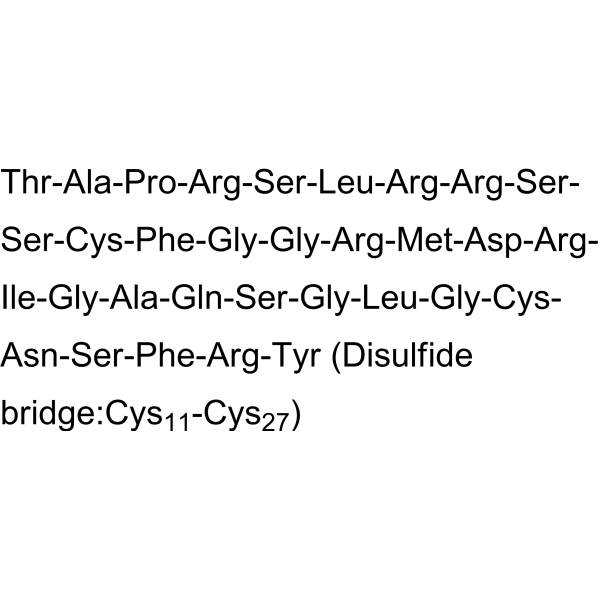
Ularitide | CAS No. 118812-69-4
Original price was: $34.00.$32.00Current price is: $32.00.
Ularitide (Urodilatin) is a synthetic natriuretic peptide with potent vasodilatory and renal-regulating properties. By binding to renal receptors and influencing dopamine metabolism, Ularitide plays a significant role in cardiovascular and renal research, particularly in the study of heart failure.
Description
Contents
hide
Product Description
Urodilatin, is a synthetic peptide that mimics a naturally occurring natriuretic peptide secreted within the kidney. Identified by CAS No. 118812-69-4, Ularitide has been studied extensively for its vasodilatory, natriuretic, and diuretic properties, making it a valuable compound in both preclinical and translational research.
From a biochemical perspective, Ularitide belongs to the atrial natriuretic peptide (ANP) family, which plays a central role in maintaining fluid balance, vascular tone, and blood pressure regulation. Unlike ANP, which is secreted from the atria, Ularitide is produced locally in the kidney’s distal tubules and exerts paracrine effects that influence renal sodium handling and systemic vascular resistance.
One of the primary research applications of Ularitide is in the study of acute decompensated heart failure (ADHF). In this context, Ularitide has demonstrated the ability to reduce preload and afterload, improve cardiac output, and enhance renal sodium excretion, all of which are essential physiological mechanisms in managing fluid overload. Clinical trials such as the SIRIUS studies and TRUE-AHF trial evaluated Ularitide’s potential as a therapeutic agent for ADHF. While regulatory approval has not been granted, the wealth of clinical data makes Ularitide a cornerstone compound for academic and pharmaceutical research.
Beyond heart failure, Ularitide has been investigated for its renal-protective properties, particularly its ability to improve glomerular filtration rate (GFR) and influence renal dopamine metabolism. Dopamine plays a crucial role in natriuresis, and Ularitide’s modulation of this pathway provides a unique angle for exploring renal neurohormonal regulation.
From a research standpoint, Ularitide is not only a pharmacological tool but also a model peptide for studying the broader natriuretic peptide system. Comparisons with other peptides such as BNP (brain natriuretic peptide) and nesiritide (synthetic BNP analog) highlight Ularitide’s unique receptor selectivity and localized renal actions.
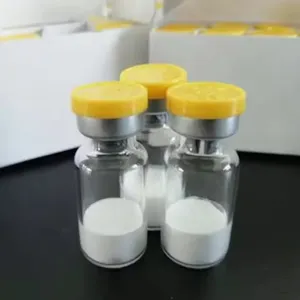
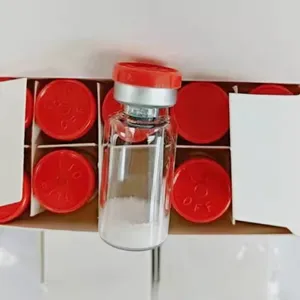
In laboratories, Ularitide is typically supplied as a lyophilized powder with high purity suitable for biochemical assays, in vitro studies, and animal model research. It is not intended for therapeutic use but is indispensable in projects investigating renal hemodynamics, cardiovascular pharmacology, and peptide receptor signaling.
In conclusion, Ularitide represents a bridge between molecular biology and clinical cardiology. Its dual renal and vascular effects, coupled with extensive documentation in the scientific literature, make it an invaluable compound for researchers investigating heart failure, renal physiology, and vasodilatory mechanisms.
Product Specifications
| Property | Details |
|---|---|
| Product Name | Ularitide |
| Synonyms | 118812-69-4、Anf (95-126) |
| CAS Number | 118812-69-4 |
| Molecular Formula | C<sub>153</sub>H<sub>256</sub>N<sub>50</sub>O<sub>45</sub>S |
| Molecular Weight | ~3463 g/mol |
| Compound Type | Natriuretic peptide |
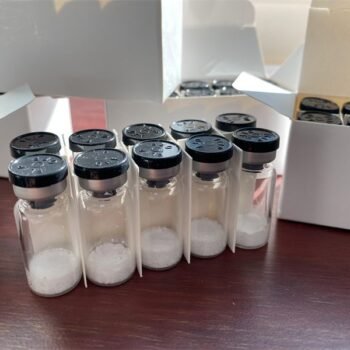
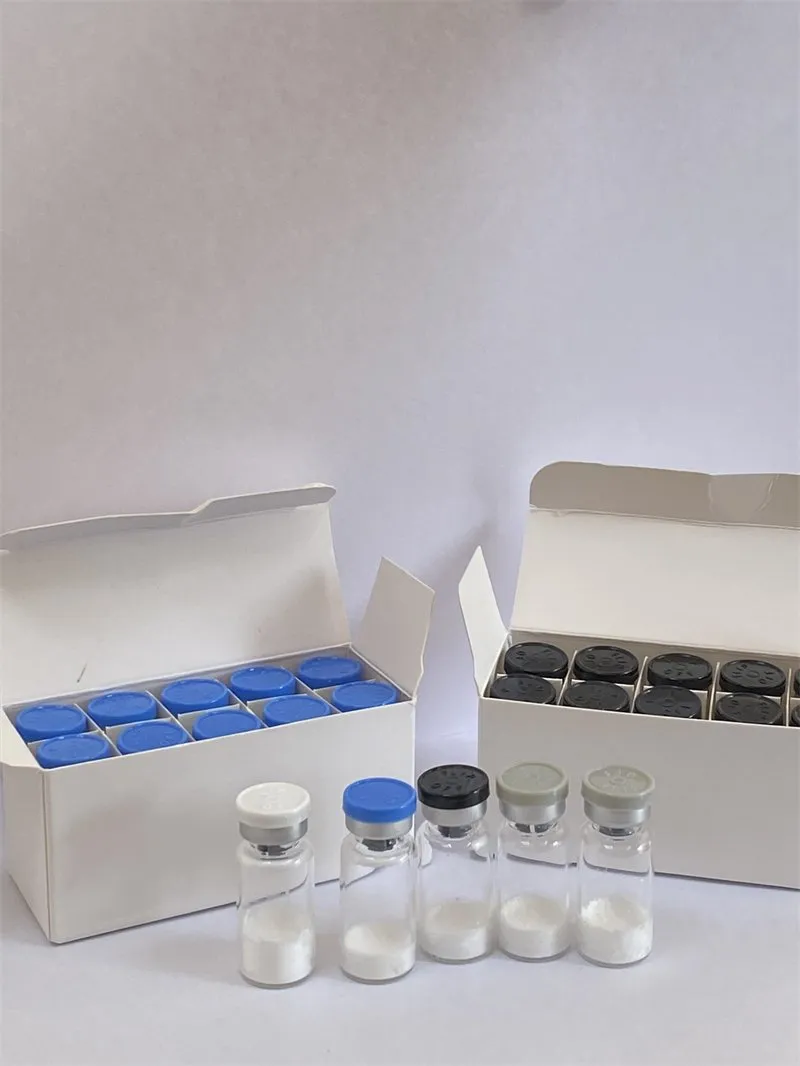
| Appearance | White to off-white lyophilized powder |
| Solubility | Soluble in water and PBS (pH 7.4) |
| Purity | ≥ 98% (HPLC) |
| Storage Conditions | -20°C, protected from light and moisture |
| Applications | Cardiovascular research, renal physiology, heart failure models |
Extended Specification Notes
Molecular Formula & Weight: With a molecular weight of ~3463 g/mol, Ularitide’s peptide structure requires advanced purification techniques such as high-performance liquid chromatography (HPLC).
Appearance: Its lyophilized form ensures stability during storage and shipping, minimizing peptide degradation.
Solubility: Ularitide dissolves readily in physiological buffers, making it convenient for in vitro assays or in vivo infusion studies.
Purity: A purity level of ≥98% is critical for reproducible results in pharmacological experiments, avoiding confounding effects from peptide by-products.
Storage: Long-term stability requires -20°C storage with desiccant and light protection. Short-term handling at 4°C is acceptable, but repeated freeze-thaw cycles should be avoided.
Applications: Primarily employed in heart failure research, Ularitide also serves as a probe in renal physiology and dopamine pathway studies. Its pharmacological profile is frequently compared with ANP and BNP analogs to dissect natriuretic peptide receptor dynamics.
Mechanism of Action
The mechanism of Ularitide is rooted in its interaction with the natriuretic peptide receptor-A (NPR-A), a receptor with intrinsic guanylyl cyclase activity. Upon binding, Ularitide triggers the conversion of GTP to cyclic GMP (cGMP), a second messenger that regulates multiple downstream pathways.
Key Mechanistic Pathways
Vasodilation:
Elevated cGMP levels relax vascular smooth muscle cells, reducing systemic vascular resistance. This leads to a drop in afterload, easing the workload on the failing heart.Natriuresis and Diuresis:
Ularitide promotes renal sodium excretion and water clearance, decreasing preload and alleviating symptoms of fluid overload in experimental heart failure models.Renal Hemodynamics:
By enhancing renal blood flow and increasing glomerular filtration rate (GFR), Ularitide protects against renal dysfunction in cardiovascular disease models.Dopamine Modulation:
Research suggests that interacts with renal dopamine metabolism, further enhancing sodium excretion and fine-tuning fluid balance.Neurohormonal Suppression:
Ularitide downregulates the renin-angiotensin-aldosterone system (RAAS) and reduces sympathetic nervous system activation, mechanisms that are central to heart failure progression.
Comparative Mechanisms
Unlike BNP or ANP, which circulate systemically, Ularitide acts locally within the kidney, providing a more targeted effect. This localized action is thought to minimize systemic side effects while maximizing renal benefits.
Signal Transduction Specificity
cGMP-Dependent Protein Kinase (PKG) Activation: Leads to phosphorylation of ion channels and transporters.
Smooth Muscle Relaxation: PKG-mediated reduction in intracellular calcium.
Natriuretic Response: PKG enhances sodium transporter inhibition in renal tubules.
Through these mechanisms, Ularitide acts as a multifaceted regulator of cardiovascular and renal physiology, providing researchers with an excellent model compound to study integrated organ responses to peptide signaling.
Side Effects (Research Context)
In preclinical and clinical investigations, Ularitide has been associated with several pharmacologically expected side effects. While these are informative in research settings, they reinforce the compound’s potency and the necessity of controlled laboratory use.
Observed Effects
Hypotension:
Due to its vasodilatory action, Ularitide often produces a dose-dependent reduction in blood pressure. In some clinical studies, this manifested as symptomatic hypotension requiring intervention.Dizziness and Headache:
Secondary to blood pressure reduction, subjects may report dizziness, lightheadedness, or headache, consistent with vascular dilation.Nausea and Gastrointestinal Effects:
Mild nausea, vomiting, or abdominal discomfort has been noted in human trials, possibly linked to cGMP-mediated smooth muscle effects in the gastrointestinal tract.Electrolyte Imbalances:
Excessive natriuresis may lead to hyponatremia or disturbances in potassium handling, a significant consideration in cardiac patients who already have electrolyte vulnerabilities.Renal Function Shifts:
While generally beneficial, induced increases in GFR may temporarily alter serum creatinine or urea levels, requiring careful monitoring in translational studies.
Interpretation in Research
These side effects provide insights into the therapeutic window of natriuretic peptides. For researchers, they highlight the dual challenge of maximizing beneficial effects (fluid removal, vasodilation) while minimizing risks (hypotension, electrolyte imbalance).
Disclaimer
This product is intended for laboratory research use only. It is not approved for human or veterinary use, nor for diagnostic or therapeutic purposes. Handling should be performed by trained professionals under appropriate laboratory safety protocols. Any discussion of clinical data is provided solely for educational and scientific context.
Keywords
CAS 118812-69-4, natriuretic peptide vasodilator, heart failure research peptides, renal function modulator, guanylyl cyclase activator, NPR-A agonist, cardiovascular research compound, peptide for fluid balance studies, acute decompensated heart failure model, cGMP signaling peptide.
Additional information
| Weight | 0.8 kg |
|---|---|
| Dimensions | 53 × 26 × 53 cm |
Q1: What is Ularitide?
A: Ularitide (Urodilatin) is a natriuretic peptide analog that acts as a vasodilator and renal regulator.
Q2: What is the CAS number of Ularitide?
A: The CAS Registry Number is 118812-69-4.
Q3: What is Ularitide used for in research?
A: It is used in heart failure studies, renal physiology research, and cardiovascular drug discovery.
Q4: How does Ularitide work?
A: It activates NPR-A receptors, leading to cGMP-mediated vasodilation, natriuresis, and modulation of renal dopamine pathways.
Q5: Is Ularitide available for clinical use?
A: No, this product is supplied strictly for laboratory and research purposes only.
Q6: How should Ularitide be stored?
A: Store at -20°C, protected from light and moisture.
Related products
Cosmetic Peptide Raw Material Factory – Low Price Wholesale Direct from China
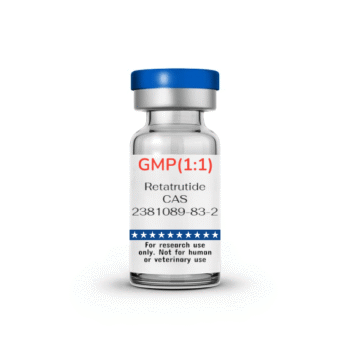
Cosmetic Peptide Appearance: Lyophilized powder Dose 2mg 5mg 10mg 15mg 20mg Higher Original price was: $42.00.$22.00Current price is: $22.00.Retatrutide | CAS 2381089-83-2 | Dual GLP-1/GIP/Glucagon Receptor Agonist
Retatrutide (CAS 2381089-83-2) is a high-purity research-grade peptide optimized for in vitro mechanistic studies. It supports investigations into signal transduction, receptor interactions, and molecular pathway modulation. Supplied as a lyophilized powder, it ensures stability and reproducibility for laboratory research applications. Original price was: $14.00.$12.00Current price is: $12.00.USA Warehouse 99% IV Infusion Therapy Anti-Aging Injection Peptide for Weight Loss & Muscle Building
USA Warehouse 99% IV Infusion Therapy Anti-Aging Injection Peptide for Weight Loss & Muscle Building Original price was: $38.00.$23.00Current price is: $23.00.Best-Selling Weight Loss Peptide: Slimming Peptide Reta with Safe Delivery
Weight Loss Peptide Lab-Tested Purity (99%+) – Ensures maximum effectiveness Original price was: $56.00.$23.00Current price is: $23.00.
Reviews
There are no reviews yet.