$38.00Original price was: $38.00.$22.00Current price is: $22.00.
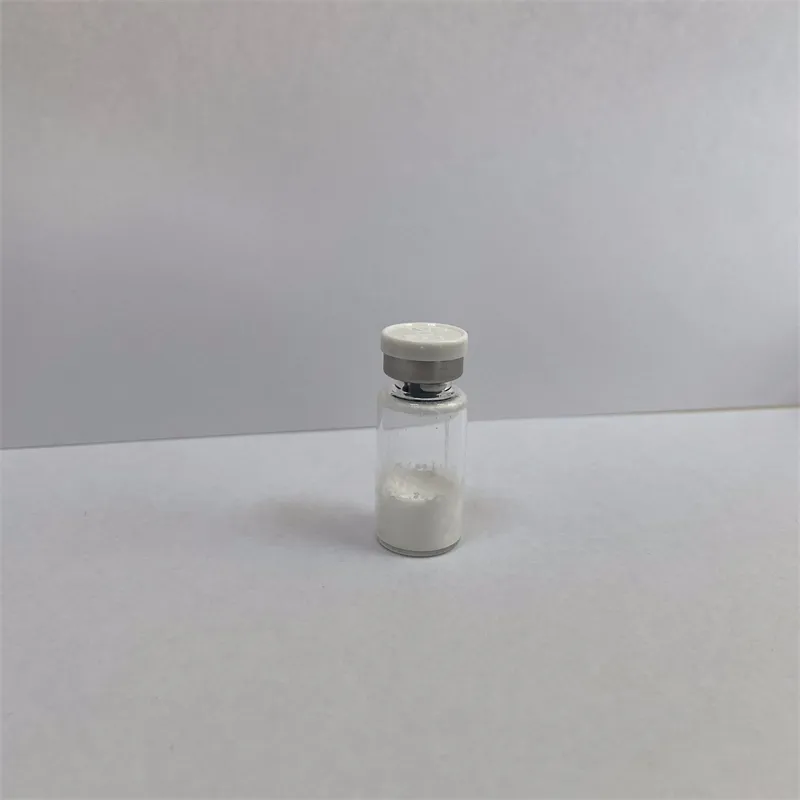
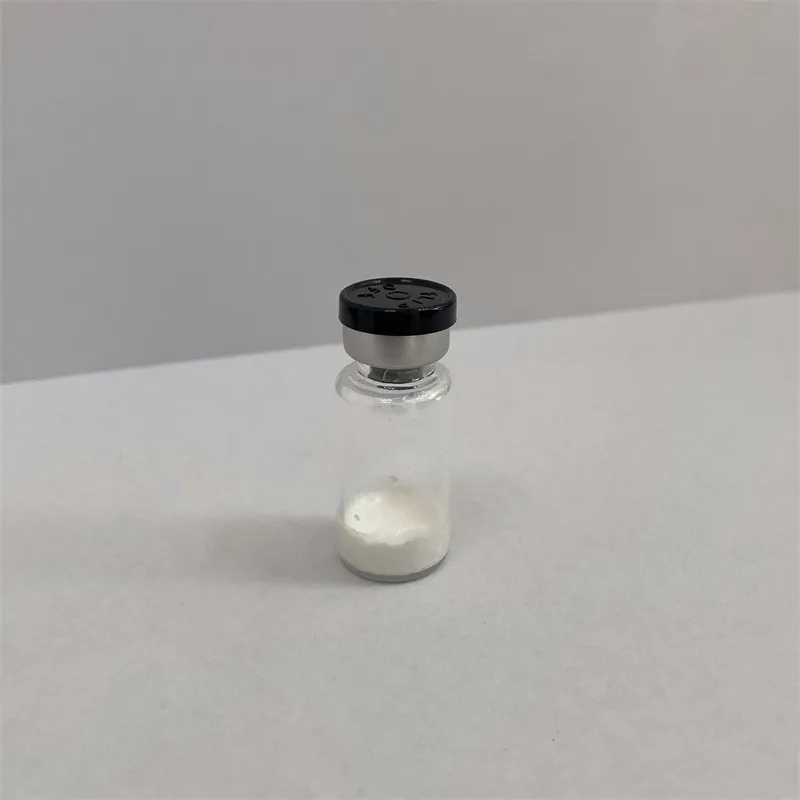
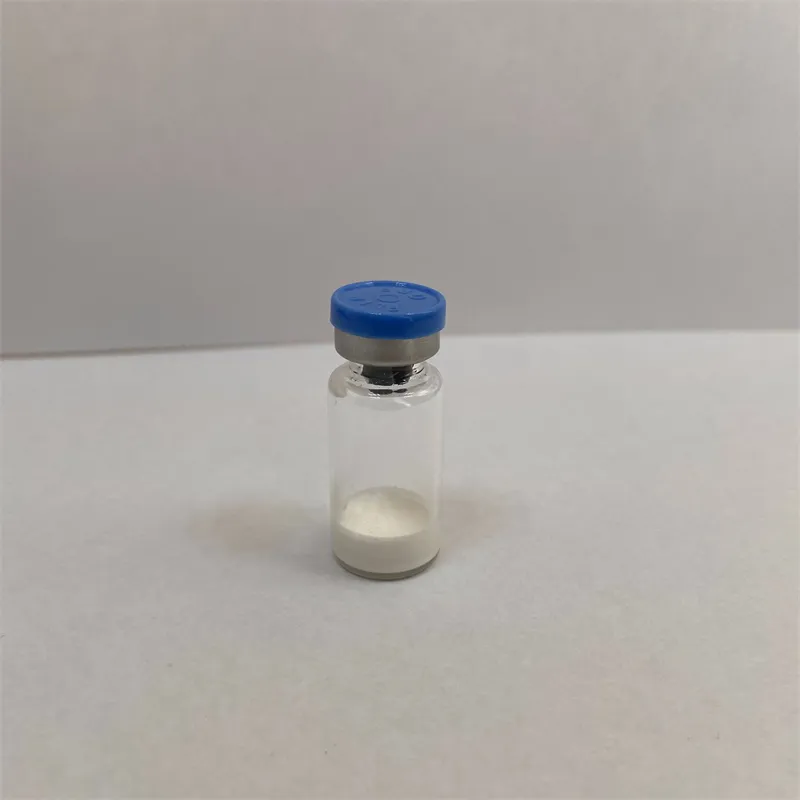
Cibinetide Sterile Solution is a synthetic, tissue-protective erythropoietin-derived peptide engineered for research use in inflammation, neuroprotection, and cellular stress-response models. Its high purity, GMP-compliant preparation, and ready-to-use sterile formulation make it ideal for laboratories requiring consistent, reproducible peptide performance in advanced mechanistic studies.(For research use only. Not for human or veterinary use)
Cibinetide is a synthetic, non-hematopoietic peptide derived from the tissue-protective domain of erythropoietin (EPO). Unlike full-length EPO, Cibinetide is engineered to retain anti-inflammatory, cytoprotective, and neuroprotective effects without stimulating erythropoiesis. The peptide’s sequence, conformational stability, and receptor-selective profile make it an essential research tool for exploring innate repair pathways across a variety of injury and inflammation models. As a sterile, ready-to-use solution, this product eliminates the variability associated with in-lab peptide reconstitution and supports high-throughput or in vivo workflows that require precise dosing accuracy.
Extensive research has demonstrated that Cibinetide activates the heteromeric EPOR/β-common receptor (βcR) complex, triggering a downstream cascade uniquely associated with tissue protection, reduced cytokine load, and enhanced cellular survival. This makes the molecule a valuable component of experimental systems modeling ischemic injury, neurodegeneration, inflammatory stress, autoimmunity, metabolic dysfunction, endothelial injury, and multi-organ protective mechanisms. Compared with full erythropoietin, Cibinetide maintains a significantly more targeted and safer pharmacological profile in preclinical settings, enabling researchers to isolate and dissect non-erythropoietic EPO signaling with high specificity.
Because this sterile solution is manufactured under GMP-grade production standards, it delivers tight control over endotoxin levels, amino-acid integrity, pH stability, and microbial sterility. These quality elements are fundamental for reproducible research, especially in in vivo models where peptide reconstitution quality can influence pharmacokinetics, immune activation, or tissue distribution. Each batch undergoes extensive QC, including HPLC, MS, NMR, peptide mapping, sterility testing, and endotoxin validation. The ability to source factory-direct, wholesale-volume Cibinetide ensures laboratories and distributors have a reliable supply chain for medium- and large-scale experimentation.
From a functional standpoint, Cibinetide’s properties make it an ideal research agent for multi-organ systems. Studies often focus on neural tissue survival, endothelial barrier protection, microglial modulation, and metabolic homeostasis under inflammatory stress. The peptide has also demonstrated promise in protecting against mitochondrial dysfunction, oxidative burden, and excitotoxic damage. These attributes create strong relevance for research in neurodegenerative disease, peripheral neuropathy, autoimmune pathology, wound healing, and tissue repair.
Because Cibinetide does not bind the homodimeric EPO receptor controlling erythropoiesis, it offers a cleaner experimental model. Researchers can confidently interpret results as stemming from tissue-protective pathways rather than hematopoietic effects. This allows detailed mapping of EPOR/βcR-driven molecular responses, providing deeper insight into the interplay between immune regulation, angioprotection, and cell survival signaling.
As a wholesale research supplier, we support bulk customization, including concentration adjustments, sterile filtration, solution buffer tailoring, and OEM labeling based on institutional requirements. Whether the peptide is used for molecular pathway studies, receptor interaction assays, in vivo disease models, or translational bioengineering applications, Cibinetide Sterile Solution offers a dependable, high-purity, and fully validated platform for cutting-edge experimentation.
Wholesale Cibinetide Peptide
Product Specifications
Parameter
Description
Product Name
Cibinetide Sterile Solution
CAS Number
N/A (research peptide)
Sequence
Synthetic tissue-protective EPO-derived peptide
Form
Sterile, ready-to-use aqueous solution
Purity
≥98% (HPLC)
Concentration
Customizable OEM concentrations available
Solvent
Sterile filtered aqueous buffer
pH Range
6.8–7.4
Endotoxin Level
<0.1 EU/mL (GMP-standard)
Sterility
Pass (USP/EP standards)
Appearance
Clear, colorless solution
Packaging
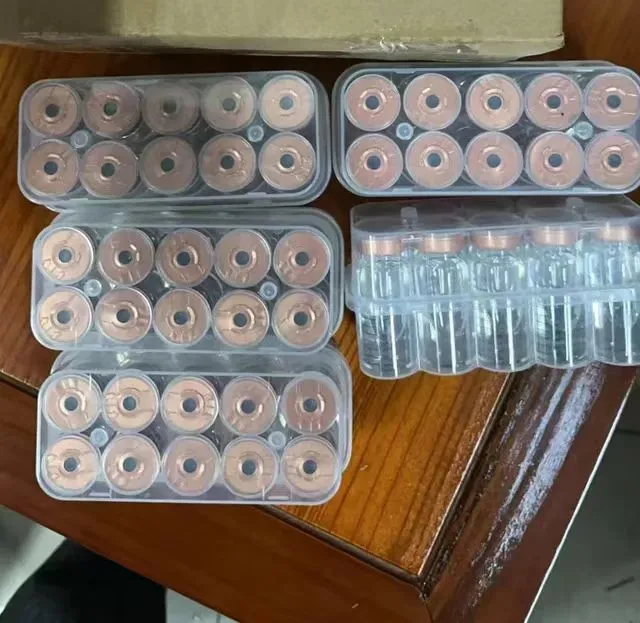
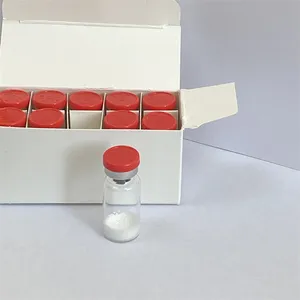
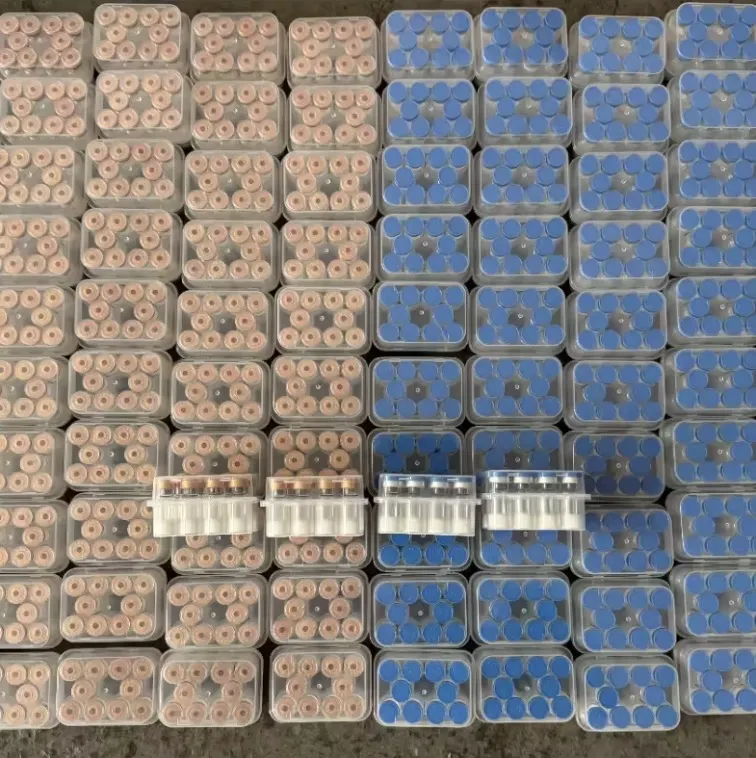
Sterile vials; bulk/OEM formats available
Storage
−20°C to −80°C (long-term)
Shelf Life
≥24 months under recommended conditions
Documentation
COA, MSDS, batch QC, traceability
Applications
Inflammation, neuroprotection, tissue protection, receptor signaling research
Restrictions
For research use only, not for human use
Specification Notes
The sterile formulation ensures consistent delivery in cell culture and in vivo experiments without the variability introduced by reconstitution. GMP manufacturing reduces risk of contaminants that may affect pharmacodynamic outcomes or induce unintended immune responses. Each lot is validated for structural integrity via high-resolution mass spectrometry and peptide mapping. QC also includes microbial assessment, ensuring suitability for sensitive animal models.
Mechanism of Action
Cibinetide functions through selective activation of the tissue-protective erythropoietin receptor complex, consisting of EPOR paired with the β-common receptor (βcR). Unlike traditional EPO, which activates EPOR homodimers to induce erythropoiesis, Cibinetide’s structural configuration prevents binding to that receptor form. Instead, it engages the heteromeric receptor uniquely associated with cytoprotective signaling. This specificity allows researchers to delineate EPO-derived tissue-protective activity while avoiding erythropoietic confounders in preclinical studies.
Receptor Engagement and Primary Signaling
Upon binding the EPOR/βcR complex, Cibinetide triggers rapid activation of JAK2, initiating downstream phosphorylation events. These events propagate through pathways including PI3K/AKT, MAPK/ERK, and NF-κB modulation. These cascades collectively enhance cell survival, suppress caspase activity, promote mitochondrial stability, and reduce inflammatory gene transcription. The JAK2-dependent signaling prevents apoptosis and supports cellular metabolic homeostasis.
Anti-Inflammatory Mechanisms
Cibinetide reduces production of pro-inflammatory cytokines such as TNF-α, IL-1β, IL-6, and interferon-stimulated transcripts. This immunomodulation is critical in models of autoimmune inflammation, peripheral neuropathy, lung injury, and ischemia-reperfusion damage. By downregulating NF-κB and inhibiting NLRP3 inflammasome activation, the peptide helps maintain a controlled inflammatory environment.
Cytoprotection & Endothelial Stabilization
Cibinetide improves endothelial barrier integrity by modulating tight junction proteins and reducing oxidative stress. It enhances nitric oxide signaling and reduces vascular leak, providing protection during inflammatory and hypoxic challenges. These actions are essential for studies involving ischemic injury, blood-brain barrier disruption, or systemic inflammatory conditions.
Neuroprotection
The peptide supports neuronal survival, promotes anti-apoptotic signaling, and reduces excitotoxicity. It modulates microglial activation and preserves mitochondrial function, making it valuable for models of neurodegeneration, neuropathy, and traumatic neural injury.
Metabolic & Mitochondrial Homeostasis
Cibinetide protects mitochondria from oxidative stress, stabilizes membrane potential, and reduces reactive oxygen species accumulation. It enhances metabolic flexibility and reduces cellular damage during hypoxia, metabolic overload, or systemic inflammation.
Wholesale Cibinetide Peptide
Applications
Cibinetide Sterile Solution is widely utilized across preclinical and translational research programs focused on erythropoietin-receptor–derived signaling, neuroprotection, anti-inflammatory mechanisms, and tissue repair pathways. Its selective activation of the innate repair receptor (IRR), combined with its favorable stability and high purity, makes it suitable for controlled experiments that investigate peptide–receptor interactions without triggering erythropoiesis. Researchers commonly employ Cibinetide in cell-based models to evaluate cytokine modulation, macrophage phenotype shifts, and protective responses under metabolic or oxidative stress. The sterile, ready-to-use formulation ensures reproducible dosing for high-precision mechanistic studies where peptide degradation must be minimized.
In neurobiology research, Cibinetide is applied to models of neuropathic pain, peripheral nerve injury, and neuroinflammation to assess its ability to reduce neuronal stress and preserve functional activity. Its non-hematopoietic profile allows investigators to isolate IRR-mediated pathways, helping differentiate tissue-protective effects from erythropoietic signaling seen with traditional EPO analogs. This makes the solution valuable for dissecting intracellular cascades such as JAK2/STAT3, PI3K/AKT, and NF-κB suppression within neuronal or glial populations. Additionally, its injectable sterile format supports consistent delivery for small-animal research where pharmacokinetic and biodistribution profiles require high lot-to-lot consistency.
Inflammation and immune regulation investigators utilize Cibinetide to explore modulation of pro-inflammatory cytokines, barrier integrity, and metabolic adaptation in epithelial or endothelial systems. Studies often investigate its effects on hypoxia-induced dysfunction, microvascular permeability, and organ protection in ischemia models. The product is also used to evaluate synergistic effects with other therapeutics, particularly in combination studies examining anti-inflammatory or cytoprotective agents.
Overall, Cibinetide Sterile Solution provides a robust and reliable research tool for elucidating non-erythropoietic tissue-protection pathways across diverse model systems, supporting advanced research in inflammation, neurology, immunology, vascular biology, and emerging regenerative-medicine strategies.
Research Models
Cibinetide Peptide is widely applied across diverse preclinical research models aimed at characterizing non-erythropoietic tissue-protective signaling, neuroimmune modulation, and organ-preservation pathways. In vitro studies frequently utilize neuronal cultures, microglial systems, macrophage lines, and endothelial monolayers to define how Cibinetide Peptide activates the innate repair receptor (IRR) and orchestrates downstream cascades such as JAK2/STAT3, PI3K/AKT, and NF-κB suppression. These cell-based platforms enable highly controlled investigations into cytoprotection, cytokine suppression, and oxidative-stress resistance, making Cibinetide Peptide a dependable reagent for mechanistic pathway mapping and receptor-focused assays where erythropoietic interference must be eliminated.
In vivo applications commonly employ rodent models of neuropathic pain, peripheral nerve injury, and neuroinflammation, allowing researchers to evaluate how Cibinetide Peptide modulates sensory signaling, mitigates neuronal hyperexcitability, and preserves axonal integrity under inflammatory or ischemic stress. These models provide functional readouts—including behavioral, electrophysiological, and biomarker-level evaluations—that help define the peptide’s protective potential across central and peripheral nervous-system pathways. Cibinetide Peptide is also frequently integrated into ischemia-reperfusion injury studies involving renal, hepatic, myocardial, and microvascular tissues, where its role in maintaining mitochondrial stability and reducing cytokine surges can be quantitatively assessed.
Inflammation and immunology researchers further employ Cibinetide Peptide in LPS-induced systemic-inflammation models, metabolic-stress paradigms, epithelial-barrier disruption assays, and endothelial leak studies. These systems support detailed evaluation of cytokine modulation, immune-cell polarization, barrier preservation, and metabolic adaptation, all of which are central to understanding the peptide’s selective IRR-mediated signaling. Because of its favorable stability, consistent potency, and non-erythropoietic design, Cibinetide Peptide is increasingly used in combination-therapy models, omics-integrated studies, and regenerative-medicine research platforms.
Across all model types, Cibinetide Peptide serves as a versatile and high-confidence tool for elucidating cytoprotective signaling, validating therapeutic hypotheses, and advancing next-generation preclinical discovery programs.
Experimental Design Considerations
Designing studies with Cibinetide Peptide requires precise control of dosing, exposure time, and assay conditions to ensure that observed effects reflect selective activation of the innate repair receptor rather than general cytoprotective artifacts. Because Cibinetide Peptide functions through non-erythropoietic EPO-derived signaling, researchers should implement appropriate controls that differentiate IRR-specific pathways from unrelated metabolic stress responses. In vitro experiments benefit from standardized peptide handling, including minimizing freeze–thaw cycles and ensuring consistent dilution protocols to maintain the structural integrity and potency of Cibinetide Peptide in serum-containing or serum-free media. Time-course experiments and dose-response curves are strongly recommended to map transcriptional and functional turning points associated with IRR activation.
In vivo studies using Cibinetide Peptide should incorporate clearly defined administration routes, optimized injection volumes, and biologically relevant exposure windows that reflect the peptide’s rapid receptor engagement. Because Cibinetide Peptide has a distinct non-hematopoietic profile, investigators should measure biomarkers aligned with tissue protection—such as cytokine suppression, mitochondrial stabilization, and barrier preservation—rather than relying on erythropoietic markers. Randomization, blinding, and baseline-matched cohorts help reduce bias, particularly in neuropathic pain, neuroinflammation, or ischemia-reperfusion models where behavioral variability can influence outcomes.
For multi-omic and systems-biology workflows, Cibinetide Peptide should be paired with high-resolution sequencing, proteomics, or phospho-signaling analyses to capture transient IRR-dependent signaling events. Synchronizing sample collection times with peak pathway activation improves interpretability and helps differentiate primary effects from compensatory mechanisms. Because Cibinetide Peptide may interact with inflammatory mediators, studies involving combination therapeutics or co-stimulation conditions should incorporate careful titration to avoid masking synergistic or antagonistic effects.
Overall, experiments involving Cibinetide Peptide benefit from meticulous optimization, well-validated controls, and pathway-targeted endpoints. Proper experimental design ensures accurate characterization of its selective cytoprotective mechanisms and enhances reproducibility across diverse research environments.
Laboratory Safety & Handling Guidelines
Safe and effective use of Cibinetide Peptide requires adherence to standard laboratory precautions, proper sterile technique, and controlled storage conditions to preserve the peptide’s integrity and experimental reliability. Because Cibinetide Peptide is supplied as a sterile research-grade solution, it should be handled in a clean biosafety environment using aseptic techniques to prevent contamination that may impact downstream assays. Laboratories should avoid unnecessary freeze-thaw cycles, as repeated temperature fluctuations can degrade Cibinetide Peptide and compromise its receptor-binding properties. Aliquoting into single-use volumes is recommended to maintain stability and ensure consistent experimental dosing.
During preparation and administration, researchers should wear appropriate PPE—including gloves, lab coats, and eye protection—when handling Cibinetide Peptide to prevent accidental contact with skin, mucous membranes, or laboratory surfaces. Although classified for research use only and not known to cause acute toxicity at experimental concentrations, Cibinetide Peptide should never be inhaled, ingested, or administered to humans or animals outside controlled laboratory protocols. Spill management should involve immediate absorption with inert material followed by disinfection of surfaces using standard laboratory cleaning agents to prevent cross-contamination across experimental zones.
Storage conditions must be strictly followed to preserve the structural fidelity of Cibinetide Peptide, typically involving low-temperature storage away from light and moisture. Researchers should document lot numbers, preparation dates, and usage logs to ensure traceability, especially in long-term studies where Cibinetide Peptide is administered repeatedly or across multiple cohorts. Waste disposal should follow institutional biosafety guidelines, ensuring that unused peptide solutions, syringes, and consumables are discarded in appropriate chemical or biological waste containers.
Overall, maintaining strict adherence to safety and handling protocols ensures that Cibinetide Peptide retains its potency, purity, and reproducibility across experimental workflows. Proper laboratory practice enhances data reliability and reduces variability when studying peptide-mediated cytoprotective and anti-inflammatory mechanisms.
Integration with Multi-Omic & Computational Studies
Multi-omic platforms provide powerful opportunities to dissect the selective IRR-mediated signaling triggered by Cibinetide Peptide, enabling detailed characterization of transcriptional, proteomic, metabolic, and phospho-signaling landscapes. In transcriptomic workflows, researchers frequently integrate Cibinetide Peptide into bulk RNA-seq or single-cell RNA-seq pipelines to map cytokine suppression signatures, stress-response pathways, and receptor-linked regulatory networks at high resolution. Time-aligned sampling is essential, as Cibinetide Peptide often induces rapid but transient pathway activation that can be captured only through well-synchronized collection points. These approaches support the identification of primary IRR-dependent gene modules versus compensatory or downstream adaptation mechanisms.
Proteomic and phospho-proteomic studies benefit from the controlled receptor selectivity of Cibinetide Peptide, allowing quantification of pathway nodes such as JAK2/STAT3, PI3K/AKT, MAPK modulation, and NF-κB suppression. Mass-spectrometry–based workflows frequently leverage the peptide’s stability to differentiate early IRR signaling from broader cytoprotective cascades. Integration of Cibinetide Peptide into targeted proteomics also helps validate biomarkers for tissue protection, inflammation modulation, and metabolic resilience in cell-based and in vivo systems.
Computational modeling expands these insights by simulating receptor–ligand interactions, pathway feedback regulation, and system-level network responses to Cibinetide Peptide exposure. Machine-learning models can incorporate multi-omic datasets to predict dose–response relationships, identify synergistic drug combinations, and map high-value therapeutic nodes associated with Cibinetide Peptide. Network-analysis tools further reveal how peptide-driven signaling rewires cytokine networks, metabolic flux, or mitochondrial stress adaptation across diverse model systems.
Integration with metabolomics and lipidomics enables researchers to explore energetic shifts, redox balance, and membrane-stability profiles induced by Cibinetide Peptide, offering additional insight into its organ-protective functions. Combining these datasets within a unified computational framework allows investigators to create predictive signatures, validate mechanistic hypotheses, and benchmark Cibinetide Peptide against other non-erythropoietic peptide analogs.
Overall, multi-omic and computational platforms significantly enhance the mechanistic clarity and translational relevance of studies utilizing Cibinetide Peptide, supporting precise and system-level understanding of its cytoprotective and anti-inflammatory mechanisms.
Side Effects (Research Observations Only)
In preclinical studies, Cibinetide Peptide is generally well tolerated, with observed effects primarily linked to its selective activation of the innate repair receptor rather than erythropoietic pathways. Across cell-based and animal models, Cibinetide Peptide has shown minimal cytotoxicity, and most side effects are transient, occurring only at high experimental concentrations. Reported reactions include mild fluctuations in cytokine levels or temporary metabolic adjustments, which are consistent with the peptide’s role in modulating inflammatory and stress-response pathways. These effects are typically reversible once Cibinetide Peptide exposure ends.
In vivo studies occasionally report minor behavioral changes, localized injection-site irritation, or subtle alterations in vascular tone, none of which resemble the hematopoietic responses associated with classical EPO analogs. Because Cibinetide Peptide does not stimulate red-blood-cell production, erythropoiesis-related adverse effects are not observed, supporting its classification as a non-erythropoietic protective peptide. At higher doses, some models show transient immune-modulatory shifts, highlighting the importance of dose optimization when evaluating Cibinetide Peptide in inflammation or ischemia-reperfusion research.
Overall, side effects documented in laboratory settings remain limited and dose dependent, with no evidence of long-term toxicity under standard research-use conditions. All observations remain specific to controlled experiments and do not imply any human clinical safety profile.
All shipments of Cibinetide Peptide undergo temperature-controlled logistics designed to maintain molecular stability from our facility to your laboratory. Each package includes moisture-protected secondary containment and is sealed using tamper-evident materials to safeguard product integrity. Real-time tracking, batch documentation, and quality verification are provided to ensure full transparency throughout the shipping process. This guarantees that every delivery arrives in optimal condition, ready for immediate research use.
Trade Assurance
We provide factory-direct supply of Cibinetide Peptide with scalable GMP-aligned manufacturing to support bulk, wholesale, and OEM/ODM customization requirements. Each production batch is fully documented with COA, MSDS, QC reports, and traceable lot information to ensure regulatory-ready consistency for institutional procurement. Our trade assurance framework guarantees reliable quality, stable lead times, and protective supplier–buyer agreements. This ensures a secure and predictable supply chain for long-term research programs.
Payment Support
We support multiple secure international payment options to accommodate laboratory, distributor, and institutional purchasing workflows. Accepted methods include standard bank wire transfers, verified corporate credit channels, and encrypted online payment gateways. Flexible invoicing and purchase-order processing are available for established research institutions requiring structured procurement. This multi-format payment system ensures smooth, compliant, and globally accessible transactions.
Disclaimer
This product is exclusively intended for controlled scientific and laboratory research. It is not approved for human or veterinary use, therapeutic applications, or diagnostic purposes. Any in vivo studies involving Cibinetide Peptide must follow institutional ethics guidelines and remain strictly within experimental research boundaries. No claims related to clinical safety, efficacy, or medical applicability are implied or supported.
References
ARA 290, a nonerythropoietic peptide… type 2 diabetes — PubMed PubMed
Safety and Efficacy of ARA 290 in Sarcoidosis Patients with Small Fiber Neuropathy — PMC article PMC
ARA 290 relieves pathophysiological pain by targeting TRPV1 channel — PubMed PubMed
Activation of the EPOR‑β common receptor complex by cibinetide improves diabetic wound healing — PubMed PubMed
The Non‑Erythropoietic EPO Analogue Cibinetide Inhibits Osteoclastogenesis… — MDPI International Journal of Molecular Sciences MDPI
Additional information
Weight
1 kg
Dimensions
36 × 52 × 80 cm
1 review for Wholesale Cibinetide Peptide Sterile Solution
Rated 5 out of 5
esonoebozogomariadelcarmen –
The packaging was clean and secure, which we appreciated. Product quality looks consistent with previous purchases.
Q1: What is Cibinetide Peptide used for in research?
Cibinetide Peptide is widely used to study tissue-protective and anti-inflammatory pathways mediated by the innate repair receptor (IRR). It is commonly applied in neuroprotection, ischemia-reperfusion, and inflammation models to investigate cytoprotective signaling. The peptide’s non-erythropoietic profile allows researchers to isolate IRR-specific effects without hematopoietic interference.
Q2: How does Cibinetide Peptide work?
Cibinetide Peptide selectively binds the EPOR/β-common receptor complex, activating JAK2-dependent pathways that trigger cytoprotective and anti-inflammatory effects. This signaling reduces oxidative stress, stabilizes mitochondria, and modulates cytokine production. Its action is distinct from classical EPO, avoiding red-blood-cell stimulation.
Q3: In what cell types can Cibinetide Peptide be used?
Cibinetide Peptide is compatible with neuronal cultures, microglia, macrophages, endothelial cells, and organoid systems. Researchers can study receptor-mediated survival, cytokine modulation, and stress-response pathways in vitro. Its sterile, ready-to-use formulation ensures consistent dosing across cell types.
Q4: Can Cibinetide Peptide be used in animal models?
Yes, it is widely applied in rodent models for neuropathic pain, neuroinflammation, ischemia-reperfusion, and tissue-protection studies. Its non-erythropoietic nature ensures that observed effects are restricted to tissue-protective pathways. Dosing should follow established research protocols for reproducibility.
Q5: How should Cibinetide Peptide be stored?
Store Cibinetide Peptide at −20°C to −80°C, protected from light and moisture. Avoid repeated freeze–thaw cycles to preserve stability. Proper storage ensures long-term potency and reproducibility in experiments.
Q6: What concentrations are recommended for in vitro studies?
Typical concentrations range from low nanomolar to micromolar levels depending on cell type and assay. Dose-response studies are recommended to identify optimal experimental conditions. The sterile solution allows precise pipetting and reproducible exposure.
Q7: Can Cibinetide Peptide be used in combination studies?
Yes, it can be combined with anti-inflammatory agents, metabolic modulators, or neuroprotective compounds. Combination studies can help identify synergistic effects and clarify pathway interactions. Proper controls are essential to interpret mechanistic outcomes accurately.
Q8: What effects does Cibinetide Peptide have on cells?
Cibinetide Peptide promotes survival signaling, reduces oxidative stress, modulates cytokine release, and stabilizes mitochondrial function. It helps prevent apoptosis and cellular injury under inflammatory or hypoxic conditions. These effects are specific to IRR-mediated pathways.
Q9: Is Cibinetide Peptide compatible with multi-omic studies?
Yes, it is suitable for transcriptomics, proteomics, phospho-proteomics, metabolomics, and network-based computational modeling. Researchers can analyze pathway activation and biomarker changes induced by Cibinetide Peptide. Its stability and reproducibility enhance the reliability of multi-omic datasets.
Q10: What laboratory safety precautions are recommended?
Handle Cibinetide Peptide using gloves, lab coats, and eye protection. Avoid skin contact, inhalation, or ingestion. Follow biosafety and chemical-handling protocols, and dispose of residues according to institutional guidelines.
Q11: Can Cibinetide Peptide be used to generate chemoresistant models?
While primarily used for tissue protection studies, chronic exposure may reveal adaptive cellular responses. Researchers can study receptor desensitization, feedback regulation, or pathway compensation using repeated dosing. These models help explore the limits of IRR-mediated cytoprotection.
Q12: What species are recommended for in vivo studies?
Rodents, particularly mice and rats, are commonly used due to established neuropathic, ischemic, and inflammatory models. Non-rodent species may be used for pharmacokinetic or mechanistic exploration. Dose adjustments should account for body weight and study duration.
Q13: How is pharmacokinetic monitoring performed for Cibinetide Peptide?
Pharmacokinetics can be evaluated using plasma or tissue sampling followed by LC-MS/MS, ELISA, or radiolabel-based quantification. Multiple time-point sampling allows measurement of peptide distribution, half-life, and tissue accumulation. This ensures accurate interpretation of experimental effects.
Q14: Can Cibinetide Peptide be used in organoid studies?
Yes, patient-derived or rodent organoids retain IRR expression and metabolic responses relevant to Cibinetide Peptide. Organoids provide a high-fidelity platform for studying tissue-protective effects in a three-dimensional context. They are particularly useful for translational disease modeling.









esonoebozogomariadelcarmen –
The packaging was clean and secure, which we appreciated. Product quality looks consistent with previous purchases.