
No products in the cart.
Sale
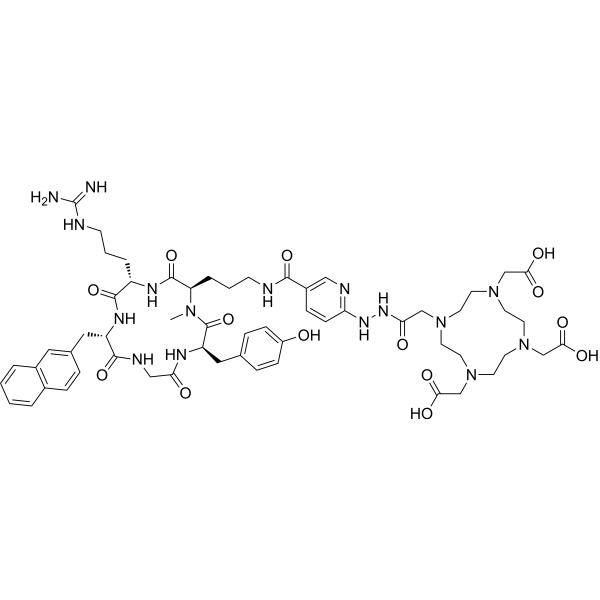
DOTA-CXCR4-L | CXCR4-Targeting Peptide for Radiolabeled Conjugate Research
Original price was: $26.00.$18.00Current price is: $18.00.
DOTA-CXCR4-L is a CXCR4-targeting peptide used for the study of tumor metastasis, glioblastoma, and triple-negative breast cancer. It can be radiolabeled with isotopes such as ⁶⁸Ga or ¹⁷⁷Lu for developing radionuclide-drug conjugates (RDCs) and molecular imaging probes.

Description
Product Description
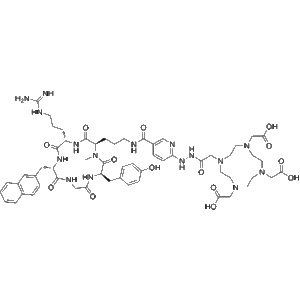
DOTA-CXCR4-L is a specialized cyclic peptide ligand that selectively targets the C-X-C chemokine receptor type 4 (CXCR4), a G-protein-coupled receptor (GPCR) overexpressed in various tumors, including glioblastoma and triple-negative breast cancer (TNBC). This compound incorporates a DOTA chelating group, enabling stable radiolabeling with diagnostic and therapeutic isotopes such as ⁶⁸Ga, ⁶⁴Cu, or ¹⁷⁷Lu, making it an ideal platform for the synthesis of radionuclide-drug conjugates (RDCs).
CXCR4 plays a pivotal role in tumor progression, metastasis, and angiogenesis, largely through its interaction with the ligand CXCL12 (SDF-1α). By binding competitively to CXCR4, DOTA-CXCR4-L allows researchers to trace, block, or modulate CXCR4-mediated signaling pathways.
This peptide is a versatile molecular tool for nuclear imaging (PET/SPECT) and targeted radionuclide therapy (TRT) applications, enabling noninvasive visualization of CXCR4-positive tumors and therapeutic evaluation of CXCR4 antagonists.
Structural and Functional Overview
DOTA-CXCR4-L contains a macrocyclic DOTA moiety linked to a high-affinity CXCR4-binding sequence. The DOTA chelator confers strong thermodynamic stability for metal complexes, ensuring robust radiolabeling performance with minimal decomposition. Once complexed with isotopes such as ⁶⁸Ga or ¹⁷⁷Lu, the conjugate demonstrates exceptional in vivo retention and target specificity.
Because CXCR4 overexpression correlates with aggressive cancer phenotypes, DOTA-CXCR4-L enables quantitative imaging of tumor receptor density and assessment of metastatic potential. Additionally, its radiolabeled analogs can be utilized to deliver cytotoxic doses selectively to CXCR4-positive tumor tissues.
Research Significance
Tumor Imaging: Used for noninvasive mapping of CXCR4 expression in glioblastoma, TNBC, and other metastatic cancers.
Radionuclide Therapy Development: Facilitates creation of ¹⁷⁷Lu-labeled constructs for internal radiotherapy.
CXCR4 Signaling Studies: Supports research on receptor trafficking, desensitization, and antagonist screening.
Theranostics: Combines diagnostic and therapeutic capabilities for dual-function imaging and treatment research.
The broad applicability and molecular precision of DOTA-CXCR4-L make it a cornerstone in translational oncology and molecular nuclear medicine research.
Product Specifications
| Property | Description |
|---|---|
| Product Name | DOTA-CXCR4-L |
| CAS Number | — |
| Synonyms | CXCR4-targeted DOTA peptide; CXCR4-DOTA ligand; Ga-68/Lu-177 CXCR4 tracer precursor |
| Molecular Formula | CₓHᵧNᵧOᵧ (available upon request) |
| Purity | ≥99% |
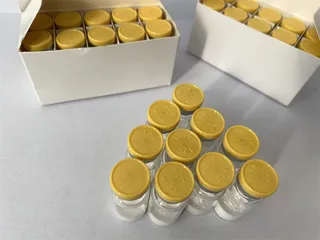
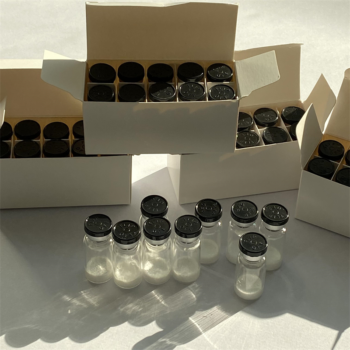
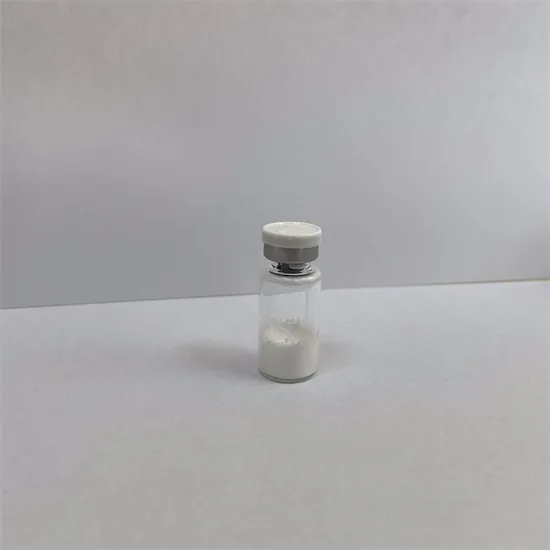
| Form | Lyophilized powder |
| Storage | −20 °C, protected from light and moisture |
| Solubility | Soluble in water, PBS, or DMSO |
| Stability | Stable for ≥12 months under recommended conditions |
| Category | Radiotracer precursor; CXCR4-targeted peptide ligand |
| Applications | Radiolabeling studies, oncology imaging, theranostic RDC synthesis |
| Research Area | Oncology, Nuclear Medicine, Pharmacology, Molecular Imaging |
| Intended Use | For laboratory research use only |
Mechanism of Action
DOTA-CXCR4-L acts by binding with high affinity to the CXCR4 receptor, inhibiting its interaction with the endogenous chemokine CXCL12. This receptor–ligand axis is crucial in tumor cell migration, metastasis, and chemoresistance.
Upon radiolabeling with isotopes such as ⁶⁸Ga or ¹⁷⁷Lu, the resulting complex targets CXCR4-expressing tumor cells, enabling precise localization via PET or SPECT imaging. The radioisotopic emission profile facilitates real-time monitoring of CXCR4 distribution and quantification of receptor expression.
The DOTA chelator ensures stable coordination of radiometal ions, preventing in vivo detachment and off-target accumulation. Thus, DOTA-CXCR4-L not only provides molecular-level insight into CXCR4-mediated oncogenic signaling but also serves as a modular scaffold for designing novel CXCR4-targeted theranostic agents.
Side Effects
As a research-grade compound, DOTA-CXCR4-L exhibits no known toxicity under laboratory conditions. However, radiolabeled derivatives must be handled with caution due to ionizing radiation exposure.
Observed in vitro and in vivo characteristics include:
Minimal off-target receptor binding
Low cytotoxicity in non-radiolabeled form
Fast renal clearance and limited hepatobiliary retention
Proper radiation shielding, controlled handling, and adherence to institutional safety standards are recommended for experiments involving ⁶⁸Ga or ¹⁷⁷Lu labeling.
Keywords
DOTA-CXCR4-L, CXCR4 peptide ligand, CXCR4 tracer, ⁶⁸Ga-DOTA-CXCR4-L, ¹⁷⁷Lu-DOTA-CXCR4-L, radionuclide-drug conjugate, PET imaging agent, theranostic peptide, CXCR4-targeted radioligand, glioblastoma imaging compound
Shipping Guarantee
All shipments are handled using validated cold-chain logistics to preserve peptide integrity. Each package is sealed in moisture-proof containers with secondary protective wrapping and continuous temperature monitoring. Products are shipped via express international couriers with full tracking and insurance coverage.
Trade Assurance
We ensure product authenticity, verified ≥99% purity, and compliance with analytical standards (HPLC, MS, and NMR). Each batch is supplied with a Certificate of Analysis (CoA). Our trade assurance policy guarantees replacement or refund for any deviation from listed specifications.
Payment Support
We provide flexible and secure global payment options to support international research transactions. Accepted payment methods include PayPal, major credit cards (Visa, MasterCard, American Express), telegraphic transfer (T/T), and cryptocurrencies (USDT, Bitcoin, Ethereum). All transactions are protected by industry-standard encryption and verified payment gateways to ensure confidentiality and fund security.

Additional information
| Weight | 0.9 kg |
|---|---|
| Dimensions | 86 × 52 × 86 cm |
What is DOTA-CXCR4-L?
DOTA-CXCR4-L is a CXCR4-targeting peptide that can be radiolabeled for molecular imaging and radionuclide-drug conjugate synthesis.
What is its main research application?
It is primarily used in oncology and nuclear medicine research, especially for imaging and targeting CXCR4-positive tumors.
What isotopes can it be labeled with?
It can be labeled with ⁶⁸Ga for PET imaging or ¹⁷⁷Lu for targeted radionuclide therapy studies.
Does DOTA-CXCR4-L have therapeutic activity?
On its own, it serves as a targeting ligand. When radiolabeled, it can contribute to therapeutic radiation delivery in preclinical research.
What are the advantages of DOTA conjugation?
DOTA enables high radiolabeling stability and compatibility with a wide range of metal-based isotopes.
Can it be used in glioblastoma research?
Yes, DOTA-CXCR4-L is actively studied in glioblastoma and triple-negative breast cancer models to visualize CXCR4 expression.
How should it be stored?
Store at −20 °C, away from light and moisture, to ensure long-term peptide stability.
What is the purity of this compound?
It is manufactured and QC-tested at ≥99% purity using HPLC and MS.
Is it safe to handle?
Yes, under standard lab conditions. When radiolabeled, follow appropriate radiation safety protocols.
Is it for clinical use?
No. DOTA-CXCR4-L is for laboratory research use only, not for human or diagnostic use.
Related products
Cosmetic Peptide Raw Material Factory – Low Price Wholesale Direct from China
Cosmetic Peptide Appearance: Lyophilized powder Dose 2mg 5mg 10mg 15mg 20mg Higher Original price was: $42.00.$22.00Current price is: $22.00.Tirzepatide Raw Material Factory: Low-Price Wholesale for High-Purity Peptides
Tirzepatide Compound CID: 163285897 MF: C225H348N48O68 diabetes [9][13][14][15] and for weight loss Original price was: $38.00.$23.00Current price is: $23.00.High Purity 99.9% Weight Loss Peptide – Raw Material Factory Wholesale at Low Price
Weight Loss Peptide Appearance:Lyophilized powder Grade Standard:Top Quality Original price was: $12.00.$9.80Current price is: $9.80.99.9% Effective Weight Loss Shaping Peptide – Beauty Peptide Factory Direct Low Price Wholesale
Peptide Purity 99% Specification 5mg/vial, 10mg/vial, 15mg/vial Original price was: $38.00.$23.00Current price is: $23.00.


Reviews
There are no reviews yet.