
No products in the cart.
Sale
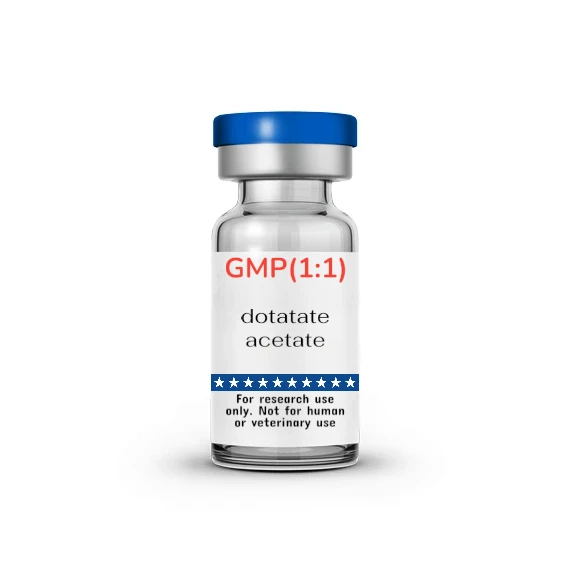
DOTATATE Acetate — 99%High-Purity Lyophilized powder
Original price was: $38.00.$36.00Current price is: $36.00.
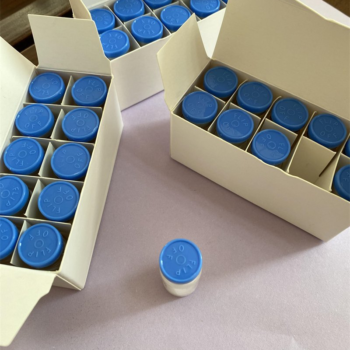
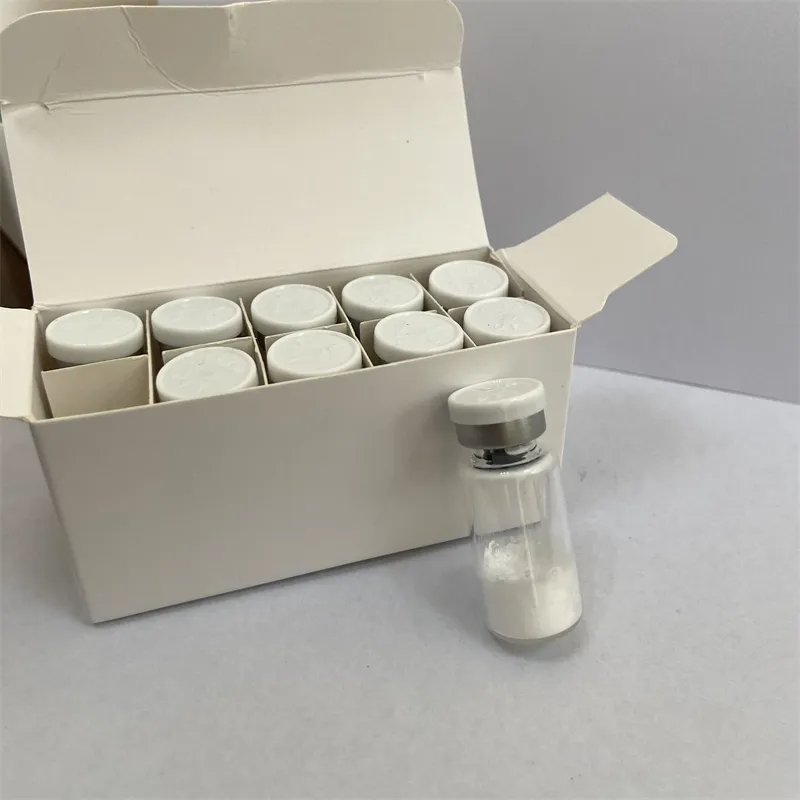
DOTATATE Acetate is a synthetic peptide conjugated with a DOTA chelator, widely used for in vitro molecular mechanism studies, including ligand–receptor binding with somatostatin receptor subtype 2 (SSTR2), ligand labeling precursor preparation, and related biochemical assays.
High purity, factory-manufactured, low-cost wholesale supply from China, designed for global laboratory research.

Description
Product Description
DOTATATE Acetate is a highly defined synthetic peptide conjugated to a DOTA chelator, designed exclusively for in vitro molecular mechanism and receptor binding research. As a somatostatin analog, it exhibits high selectivity and affinity for somatostatin receptor subtype 2 (SSTR2), making it a powerful tool for detailed studies of ligand–receptor interactions, binding kinetics, and receptor internalization in controlled laboratory settings. Its chemical and structural properties enable consistent, reproducible results across a wide range of molecular assays.
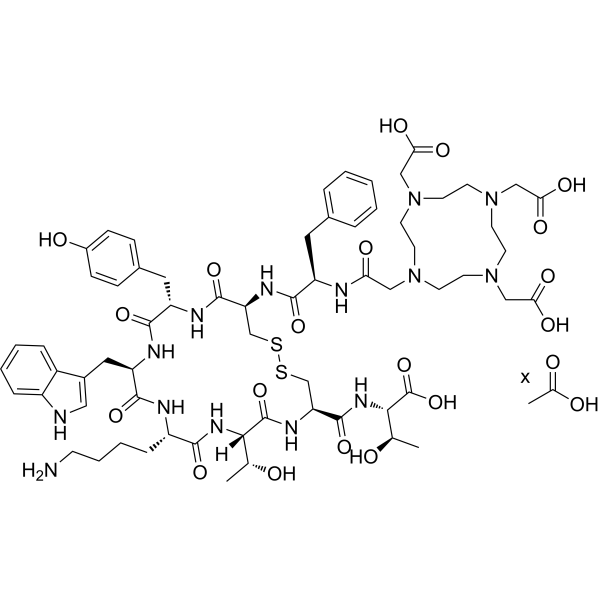
Structurally, DOTATATE Acetate contains a cyclic peptide backbone formed through a disulfide bridge between Cys2 and Cys7, stabilizing its three-dimensional conformation. The peptide sequence, D-Phe-Cys-Tyr-D-Trp-Lys-Thr-Cys-Thr, is conjugated at the N-terminal to a DOTA chelator, providing a robust site for metal ion coordination. This feature is particularly critical for the preparation of radiolabeled precursors used in mechanistic studies, allowing researchers to explore metal-ligand complexes, receptor-binding dynamics, and in vitro imaging analogs.
High purity and reproducibility are hallmarks of DOTATATE Acetate. With a purity of ≥99% verified by HPLC, the compound minimizes interference from impurities, ensuring high confidence in quantitative molecular assays, ligand-receptor studies, and in vitro radiochemistry experiments. The white to off-white powder is stable under dry, light-protected storage at -20°C, with excellent solubility in water and DMSO, facilitating seamless integration into diverse laboratory protocols.
DOTATATE Acetate’s primary applications include:
Receptor Binding Studies: The peptide serves as a high-affinity ligand for SSTR2, enabling the determination of binding constants, competitive binding kinetics, and receptor-ligand specificity in vitro. These experiments provide critical insights into molecular pharmacology and receptor optimization.
Radiolabeled Precursor Preparation: The DOTA chelator allows coordination with various metal ions, such as Ga³⁺, Lu³⁺, and Cu²⁺, facilitating the synthesis of radiolabeled complexes. These labeled compounds are essential for mechanistic in vitro studies, such as receptor internalization assays, binding efficiency evaluation, and peptide stability testing.
Peptide Stability and Chemical Analysis: DOTATATE Acetate’s cyclic structure ensures structural integrity and chemical stability under different buffer conditions, pH ranges, and temperature variations. Researchers can systematically evaluate the peptide’s behavior in vitro without loss of functional activity.
Mechanistic Exploration: The peptide is widely used in cell-free and membrane-based studies to elucidate ligand-receptor interactions, internalization pathways, and receptor activation dynamics. Computational modeling and docking studies also benefit from its highly defined structure.
Integration with Multi-Omics Research: DOTATATE Acetate provides a reliable platform for integrating proteomics, metabolomics, and bioinformatics approaches, allowing researchers to investigate molecular mechanisms with high precision and reproducibility.
Global Laboratory Supply: Factory-manufactured in China, DOTATATE Acetate is available for bulk and wholesale purchase, ensuring a consistent supply for extended in vitro research projects. Its combination of structural stability, DOTA compatibility, and high purity makes it an indispensable tool for laboratories investigating SSTR2-mediated molecular mechanisms and peptide-based binding studies.
In summary, DOTATATE Acetate is a high-purity, research-grade peptide, optimized for in vitro receptor binding studies, radiolabeled precursor development, and mechanistic molecular research. It offers superior stability, reproducibility, and compatibility with multi-disciplinary laboratory applications, serving as a cornerstone reagent for advanced peptide-receptor studies.
Product Specifications
DOTATATE Acetate is a high-purity synthetic peptide with a DOTA chelator, optimized for in vitro molecular mechanism studies and radiolabeled precursor development. Its comprehensive specifications ensure consistent quality, reproducibility, and compatibility with diverse laboratory assays.
| Parameter | Specification |
|---|---|
| Product Name | DOTATATE Acetate |
| Synonyms | DOTA-TATE Acetate, DOTA-octreotate Acetate |
| CAS Number | 177943‑89‑4 |
| Molecular Formula | C₆₅H₉₂N₁₄O₁₉S₂ (acetate salt) |
| Molecular Weight | ~1437.64 g/mol (Chemsrc) |
| Purity | ≥99% (verified by HPLC or equivalent analytical methods) |
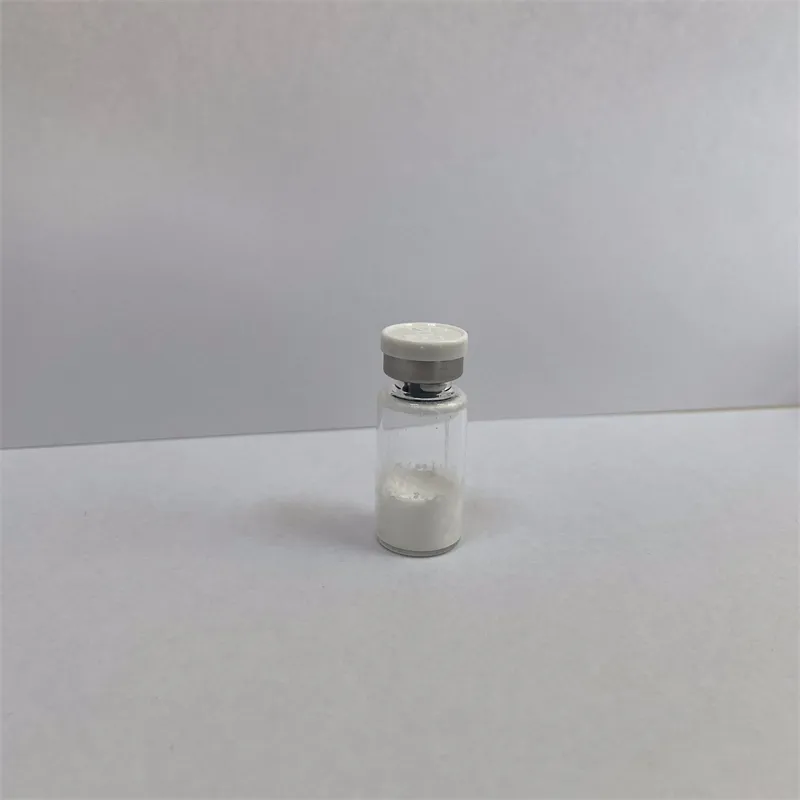
| Appearance | White to off-white powder |
| Solubility | Water ≥5 mg/mL; DMSO ≥80 mg/mL (ultrasonication recommended) (TargetMol) |
| Storage Conditions | Dry, protected from light, -20°C |
| Quality Control | COA and MSDS provided; batch-to-batch consistency ensured |
| Stability | Chemically stable under standard laboratory conditions for extended storage periods |
Detailed Notes:
High Purity & Analytical Validation: Each batch undergoes rigorous HPLC, mass spectrometry, and chemical purity testing to guarantee ≥99% purity, ensuring minimal experimental variability in receptor-binding and mechanistic assays.
Solubility & Handling: DOTATATE Acetate dissolves readily in water and highly polar solvents, providing flexibility for in vitro assays, labeling reactions, and peptide stability studies. Use ultrasonication for higher concentration solutions to ensure complete dissolution.
Chemical & Structural Integrity: The cyclic peptide backbone with a disulfide bond maintains structural conformation, preserving SSTR2 binding affinity and enabling reproducible experimental results.
Batch Traceability & Documentation: Factory-manufactured and quality-controlled in China, each batch includes COA and MSDS to ensure traceable, consistent quality, supporting bulk or long-term research studies.
Laboratory Compatibility: The product is suitable for receptor binding, ligand internalization, radiolabeling precursor preparation, and multi-omics research integration in a strictly in vitro context.
This specification table ensures researchers have a clear understanding of DOTATATE Acetate’s chemical, physical, and functional properties, facilitating accurate experimental design, reproducibility, and mechanistic analysis.
Mechanism of Action
DOTATATE Acetate functions as a high-affinity ligand for somatostatin receptor subtype 2 (SSTR2), enabling precise exploration of ligand-receptor interactions and downstream molecular mechanisms in vitro. Its structure combines a cyclic peptide backbone with a DOTA chelator, providing both structural stability and a site for metal ion coordination, which is essential for radiolabeled precursor studies and receptor-binding assays.
SSTR2 Binding and Selectivity
The peptide sequence of DOTATATE Acetate, D-Phe-Cys-Tyr-D-Trp-Lys-Thr-Cys-Thr, forms a disulfide-cyclized ring that stabilizes its three-dimensional conformation, ensuring optimal interaction with SSTR2 binding pockets. Tyr³ and Trp⁴ side chains are critical for hydrogen bonding and hydrophobic interactions, which contribute to the peptide’s high specificity and affinity toward SSTR2 compared to other somatostatin receptor subtypes. (PMC6261874)
Metal Chelation and Radiolabeling
The DOTA chelator allows DOTATATE Acetate to form stable complexes with metal ions such as Ga³⁺, Lu³⁺, and Cu²⁺ in vitro. This metal-chelation capability facilitates the preparation of radiolabeled ligands for mechanistic assays, including receptor binding efficiency, internalization kinetics, and structural stability studies under controlled laboratory conditions. Chelation does not interfere with receptor-binding affinity, enabling accurate assessment of molecular interactions. (PMC10428218)
Molecular Interaction Dynamics
In in vitro systems, DOTATATE Acetate binds to SSTR2 with rapid association and slow dissociation kinetics, making it a robust tool for kinetic and equilibrium studies. Its cyclic structure enhances resistance to enzymatic degradation, preserving functionality during extended assay periods. Researchers can examine ligand-receptor complex formation, competitive inhibition, and receptor internalization mechanisms using membrane preparations or purified receptor models.
In Vitro Mechanistic Applications
Binding Affinity Analysis: Quantify SSTR2 binding constants and competitive inhibition in receptor-overexpressing systems.
Internalization Studies: Investigate endocytosis of receptor-ligand complexes under controlled conditions.
Radiolabel Precursor Evaluation: Study metal-ligand complex stability, chelation efficiency, and in vitro binding performance.
Computational Modeling: DOTATATE’s defined structure enables in silico docking and molecular dynamics simulations to predict binding modes and interaction energies.
In summary, DOTATATE Acetate’s mechanism of action is rooted in its highly selective SSTR2 binding, cyclic peptide stability, and metal-chelation capability, making it a versatile reagent for in vitro molecular mechanism studies, ligand-receptor dynamics, and radiolabeled precursor research. Its structural precision and reproducibility make it indispensable for laboratories investigating somatostatin receptor biology.

Applications
DOTATATE Acetate is a versatile research-grade peptide designed for in vitro molecular mechanism studies, with a primary focus on SSTR2 receptor interactions and ligand development. Its combination of high purity, cyclic peptide stability, and DOTA chelator functionality allows it to support a wide range of laboratory applications that explore receptor biology, radiolabeling chemistry, and peptide pharmacodynamics under controlled conditions.
In Vitro Receptor Binding Studies
DOTATATE Acetate is widely used to investigate the binding characteristics of SSTR2 in cell-free and membrane-based models. Researchers can quantify binding affinity, receptor occupancy, and competitive inhibition using radiolabeled or non-labeled ligands. Its high specificity for SSTR2 ensures minimal off-target interactions, allowing precise analysis of receptor-ligand kinetics.
Radiolabeled Ligand Precursor Preparation
The DOTA chelator enables DOTATATE Acetate to form stable complexes with metal ions, such as Ga³⁺, Lu³⁺, and Cu²⁺, in in vitro labeling experiments. This application supports mechanistic studies of metal-ligand stability, binding efficiency, and receptor interaction without involving in vivo models. Radiolabeled precursors prepared from DOTATATE Acetate provide a controlled platform to study peptide-metal interactions and receptor internalization in molecular assays.
Peptide Stability and Chemical Analysis
DOTATATE Acetate’s cyclic structure ensures chemical stability and resistance to enzymatic degradation during in vitro assays. Researchers can evaluate stability under varying pH, buffer, and temperature conditions, which is critical for peptide optimization and mechanistic studies.
Mechanistic and Computational Studies
DOTATATE Acetate is suitable for computational modeling, docking simulations, and molecular dynamics analysis. These in silico approaches complement experimental data, providing insights into binding modes, receptor conformational changes, and interaction energies.
Multi-Omics Integration
The reproducible binding profile of DOTATATE Acetate allows integration with proteomics and metabolomics workflows, facilitating mechanistic insights into receptor function and peptide-ligand dynamics.
In summary, DOTATATE Acetate is an indispensable tool for laboratories conducting advanced SSTR2 receptor studies, radiolabeled precursor synthesis, and in vitro mechanistic analyses, combining reliability, structural stability, and high-purity performance for cutting-edge molecular research.
Research Models
DOTATATE Acetate is specifically designed for in vitro research applications, providing robust and reproducible data for laboratories investigating somatostatin receptor subtype 2 (SSTR2) molecular mechanisms, ligand binding dynamics, and radiolabeled peptide chemistry. Its high purity, structural stability, and DOTA chelator functionality make it suitable for a variety of experimental model systems that explore receptor-ligand interactions and peptide behavior under controlled laboratory conditions.
Membrane and Receptor Preparations
One of the primary research models for DOTATATE Acetate is the use of membrane preparations expressing SSTR2. These preparations allow for precise binding affinity measurements, competitive inhibition assays, and receptor internalization studies in vitro. By isolating membrane-bound receptors, researchers can quantify ligand interactions without interference from other cellular components, providing high-confidence mechanistic insights.
Purified Receptor Systems
DOTATATE Acetate can also be applied in purified receptor models, including recombinant SSTR2 proteins immobilized on experimental platforms. This enables kinetic and thermodynamic analyses of ligand-receptor interactions, assessment of metal-chelate complex stability, and evaluation of structural requirements for high-affinity binding. These models are ideal for mechanistic studies where precise control over receptor concentration and environment is essential.
Radiolabeled Peptide Preparations
The DOTA chelator within DOTATATE Acetate supports radiolabeling with Ga³⁺, Lu³⁺, or Cu²⁺ in in vitro studies. Radiolabeled ligands can be utilized in receptor binding, internalization kinetics, and stability assays, serving as controlled tracers for mechanistic experiments without the need for in vivo testing.
Computational and Simulation Models
In addition to experimental systems, DOTATATE Acetate can be integrated into computational and molecular simulation models. Using structural docking, molecular dynamics, and receptor-ligand interaction simulations, researchers can predict binding conformations, interaction energies, and internalization potential, complementing empirical in vitro data.
Integrated Multi-Model Studies
Researchers often combine membrane preparations, purified receptor systems, and computational modeling to create a comprehensive mechanistic profile. DOTATATE Acetate provides the reproducibility, stability, and chemical compatibility necessary to support these multi-model approaches, enabling robust structure-activity relationship studies, metal chelation experiments, and receptor dynamics research.
In summary, DOTATATE Acetate is compatible with membrane, purified receptor, radiolabeled, and computational models, making it an essential tool for laboratories conducting advanced in vitro SSTR2 research and mechanistic peptide studies.
Experimental Design Considerations
When using DOTATATE Acetate in in vitro molecular mechanism studies, careful experimental design ensures reproducible results, accurate receptor binding analysis, and effective radiolabeling performance. Its high purity, cyclic peptide structure, and DOTA chelation capabilities provide a robust foundation, but optimizing conditions is critical to achieving meaningful data.
Ligand-Receptor Binding Assays
Concentration Optimization: Select ligand concentrations appropriate for the receptor expression level to prevent saturation or underestimation of binding kinetics.
Incubation Conditions: Control temperature, pH, and incubation time to maintain peptide stability and ensure consistent binding interactions.
Controls and Replicates: Include negative controls, non-specific ligands, and replicate measurements to validate specificity and reproducibility.
Radiolabeled Precursor Studies
Metal Chelation Efficiency: Evaluate different metal ions (e.g., Ga³⁺, Lu³⁺, Cu²⁺) under controlled in vitro conditions to determine optimal chelation efficiency.
Reaction Parameters: Monitor pH, temperature, and incubation time during metal complexation to prevent peptide degradation and ensure reproducible labeling.
Stability Assessment: Assess the stability of metal-ligand complexes over time under experimental conditions to confirm suitability for mechanistic assays.
Peptide Handling and Storage
Storage Conditions: Maintain -20°C in dry, light-protected containers to preserve structural integrity.
Solubilization: Use appropriate solvents such as water or DMSO, employing ultrasonication for higher concentration solutions.
Minimize Contamination: Handle under standard laboratory PPE and aseptic techniques to prevent degradation or contamination.
Multi-Model Integration
Combine membrane preparations, purified receptor assays, and computational simulations to validate findings across models. DOTATATE Acetate’s reproducibility and high-affinity binding profile support integrated study designs, providing reliable mechanistic insights into SSTR2-ligand interactions and peptide-metal complex behavior.
These considerations enable researchers to design robust experiments, optimize ligand-receptor analysis, and achieve high-confidence, reproducible in vitro results.
Laboratory Safety & Handling Guidelines
DOTATATE Acetate is a high-purity synthetic peptide intended exclusively for in vitro research. Safe handling and proper laboratory practices are essential to maintain product integrity and ensure researcher safety.
General Handling
Always use personal protective equipment (PPE), including lab coats, gloves, and eye protection.
Handle the compound in a controlled laboratory environment, following standard chemical safety protocols.
Avoid direct skin or eye contact, ingestion, and inhalation. In case of accidental exposure, follow institutional safety procedures and seek medical attention if necessary.
Storage
Store DOTATATE Acetate in dry, light-protected containers at -20°C to maintain stability and activity.
Avoid repeated freeze-thaw cycles, which may compromise peptide structure.
Keep the product clearly labeled and away from incompatible substances.
In Vitro Experimental Use
Use only in laboratory assays, receptor binding studies, and radiolabeled precursor preparation.
Ensure all experimental setups minimize contamination and maintain reproducibility.
When working with metal-chelated or radiolabeled derivatives, follow applicable radiochemistry safety regulations and institutional guidelines.
Waste Disposal
Dispose of DOTATATE Acetate and related reagents according to local chemical waste regulations.
Do not release into the environment or discard with general laboratory waste.
Following these guidelines ensures the integrity of experimental results while maintaining researcher safety and compliance with laboratory standards.
Integration with Multi-Omic & Computational Studies
DOTATATE Acetate is a versatile reagent for integrative in vitro research, enabling the combination of multi-omic analyses and computational modeling to investigate SSTR2 receptor interactions and peptide behavior. Its high purity, structural stability, and DOTA chelation capability make it highly compatible with advanced molecular and systems-level studies.
Multi-Omic Integration
Proteomics: DOTATATE Acetate can be used to study receptor expression, ligand-induced receptor conformational changes, and protein interaction networks in controlled in vitro systems.
Metabolomics: Researchers can evaluate the chemical stability and potential peptide modifications under various conditions, providing insights into molecular interactions and chemical behavior in vitro.
Data Correlation: The reproducible binding profile allows correlation of ligand-receptor kinetics with proteomic and metabolomic outputs, enhancing mechanistic understanding.
Computational Studies
Molecular Docking: DOTATATE Acetate’s defined cyclic structure and functional side chains enable accurate docking simulations with SSTR2, predicting binding conformations and interaction energies.
Molecular Dynamics: Computational modeling of peptide-receptor interactions over time provides insights into stability, flexibility, and internalization potential of ligand-receptor complexes.
Structure-Activity Relationship Analysis: Integrating in vitro experimental data with computational predictions supports optimization of peptide design and mechanistic exploration.
By combining experimental multi-omic approaches and computational modeling, DOTATATE Acetate facilitates a comprehensive understanding of SSTR2-ligand interactions, supporting advanced mechanistic studies and rational peptide research strategies.
Keywords
DOTATATE Acetate, high-purity peptide, DOTA-TATE, SSTR2 binding, radioligand precursor, in vitro peptide research, molecular mechanism, peptide chelator, laboratory research, China wholesale supply
Shipping Guarantee
Secure, research-grade packaging ensures chemical integrity.
Temperature-controlled logistics maintain reagent stability.
Global shipping supports timely laboratory delivery.
Trade Assurance
Factory-direct supply with batch traceability.
Consistent quality verified by analytical documentation.
Bulk and wholesale options support long-term research programs.
Payment Support
Bank transfer (TT / SWIFT)
Credit Card
Alipay / WeChat (for China-based customers)
Cryptocurrency (BTC, ETH, or as agreed)
Custom orders, bulk discounts, and OEM options are available upon request.
Disclaimer
DOTATATE Acetate is strictly for laboratory research use, including in vitro molecular mechanism studies, ligand binding assays, and chemical synthesis. It is not intended for human or animal use, clinical studies, or therapeutic applications. Users must comply with local laws and laboratory safety regulations.
References
Somatostatin Receptor PET Ligands Review — High‑level review of somatostatin receptor imaging compounds (including DOTA‑TATE) and their molecular targeting characteristics, with context on somatostatin receptor biology and ligand design in PET applications. PMC
Somatostatin receptor PET ligands — the next generation for clinical imaging. PMC.Interaction of Radiopharmaceuticals with SSTR2 — Molecular dynamics and structural insights into how DOTA‑linked peptides (including TATE variants) recognize and interact with SSTR2, revealing detailed interaction patterns. American Chemical Society Publications
Interaction of Radiopharmaceuticals with Somatostatin Receptor 2 Revealed by Molecular Dynamics Simulations. ACS Journal.Somatostatin Receptor Subtype‑2 Targeting Compounds — Overview of radiolabeled peptide analogs targeting SSTR2, providing context on peptide–receptor mechanisms central to research applications. Journal of Nuclear Medicine
Somatostatin Receptor 2–Targeting Compounds. Journal of Nuclear Medicine.Somatostatin Receptors in Neoplasms Systematic Review — Comprehensive assessment of somatostatin receptor prevalence and expression in research contexts, emphasizing SSTR2 as a molecular target. MDPI
Priyadarshini S, Allison DB, Chauhan A. Comprehensive Assessment of Somatostatin Receptors in Various Neoplasms: A Systematic Review. Pharmaceutics.Somatostatin Receptor Subtype‑2 Biological Background — Authoritative entry on the structure, function, and biological signaling of SSTR2 receptors, foundational for in vitro mechanism understanding. Wikipedia
Somatostatin receptor 2 overview. Wikipedia (includes references to peer‑reviewed molecular biology literature).
Additional information
| Weight | 0.6 kg |
|---|---|
| Dimensions | 26 × 23 × 26 cm |
What is DOTATATE Acetate used for in research?
DOTATATE Acetate is used for in vitro molecular mechanism studies, including SSTR2 receptor binding, ligand internalization assays, and radiolabeled precursor development. It is strictly for laboratory research.
Can DOTATATE Acetate be used in vivo or clinically?
No. This compound is intended solely for in vitro research. It is not approved for human or animal use, and it should not be administered outside controlled laboratory experiments.
What is the purity of DOTATATE Acetate?
DOTATATE Acetate is ≥99% pure, verified through HPLC or equivalent analytical methods, ensuring high reproducibility in receptor binding and mechanistic assays.
How should DOTATATE Acetate be stored?
Store the powder in dry, light-protected conditions at -20°C. Avoid repeated freeze-thaw cycles to maintain structural integrity.
What solvents are recommended for solubilizing DOTATATE Acetate?
It dissolves in water (≥5 mg/mL) and DMSO (≥80 mg/mL). Ultrasonication is recommended for higher concentration solutions to ensure complete solubilization.
Does DOTATATE Acetate include a DOTA chelator?
Yes. The DOTA moiety allows metal ion coordination (e.g., Ga³⁺, Lu³⁺, Cu²⁺) for in vitro radiolabeled precursor studies.
Is DOTATATE Acetate suitable for radiolabeling experiments?
Yes. It is widely used as a precursor for metal-labeled ligands, enabling investigation of receptor binding and internalization kinetics in vitro.
What are the recommended experimental models?
Suitable models include membrane preparations expressing SSTR2, purified receptor assays, radiolabeled peptide studies, and computational docking simulations.
How can experimental design be optimized?
Optimize ligand concentration, incubation time, and pH for binding assays. Include controls and replicates to validate specificity and reproducibility.
Are there safety precautions when handling DOTATATE Acetate?
Yes. Use PPE, handle in controlled laboratory conditions, avoid ingestion or inhalation, and follow chemical waste disposal regulations.
Can DOTATATE Acetate be used for multi-omics studies?
Yes. Its reproducible binding profile allows integration with proteomics, metabolomics, and computational modeling for mechanistic insights.
Does the product include batch traceability?
Yes. Factory-manufactured batches are accompanied by COA and MSDS, ensuring consistency and traceability for research purposes.
Is bulk purchase or wholesale supply available?
Yes. DOTATATE Acetate is available for bulk or low-cost wholesale procurement directly from the factory in China.
What payment methods are accepted?
Credit card, bank transfer (TT/SWIFT), Alipay/WeChat (for China-based customers), and cryptocurrency are all supported.
Where can I find authoritative references for DOTATATE Acetate research?
Authoritative sources include:
PMC articles on SSTR2 ligand interactions
ACS molecular dynamics studies
Journal of Nuclear Medicine ligand research
MDPI reviews on somatostatin receptors
Wikipedia entry on SSTR2 with peer-reviewed references
Related products
Tirzepatide Raw Material Factory: Low-Price Wholesale for High-Purity Peptides
Tirzepatide Compound CID: 163285897 MF: C225H348N48O68 diabetes [9][13][14][15] and for weight loss Original price was: $38.00.$23.00Current price is: $23.00.Retatrutide cost with insurance
Retatrutide cost with insurance Original price was: $38.00.$26.00Current price is: $26.00.Wholesale Cibinetide Peptide Sterile Solution
Cibinetide Sterile Solution is a synthetic, tissue-protective erythropoietin-derived peptide engineered for research use in inflammation, neuroprotection, and cellular stress-response models. Its high purity, GMP-compliant preparation, and ready-to-use sterile formulation make it ideal for laboratories requiring consistent, reproducible peptide performance in advanced mechanistic studies.(For research use only. Not for human or veterinary use) Original price was: $38.00.$22.00Current price is: $22.00.99.9% Effective Weight Loss Shaping Peptide – Beauty Peptide Factory Direct Low Price Wholesale
Peptide Purity 99% Specification 5mg/vial, 10mg/vial, 15mg/vial Original price was: $38.00.$23.00Current price is: $23.00.


Reviews
There are no reviews yet.