
No products in the cart.
Sale
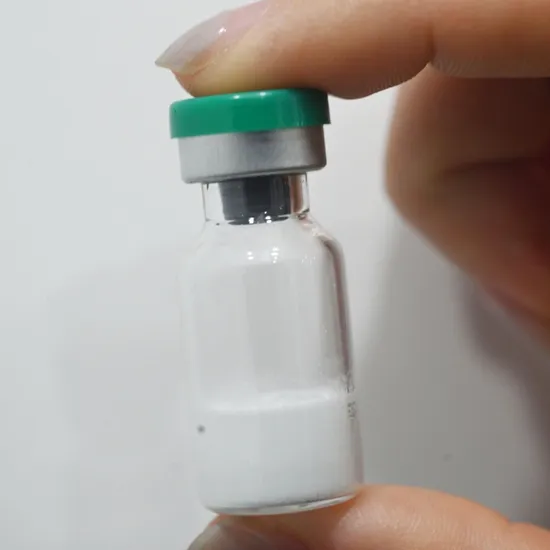


Cerebrolysin Lyophilized Powder | 98%High purity Factory manufactured
Original price was: $10.00.$8.00Current price is: $8.00.
Cerebrolysin Lyophilized Powder is a standardized neurotrophic compound preparation derived from enzymatic hydrolysis of porcine brain proteins, enriched in low-molecular-weight neuroactive peptides and free amino acids. It is widely utilized in neuroscience, neurodegeneration, synaptic plasticity, and neuroprotection research models for its multimodal actions on neuronal survival, differentiation, and functional recovery.

Description
Contents
hide
Product Description
Cerebrolysin is a complex neurotrophic formulation composed of biologically active low-molecular-weight peptides (<10 kDa) and free amino acids obtained through controlled enzymatic cleavage of brain-specific proteins. Unlike single-target neuroactive compounds, Cerebrolysin functions as a multifactorial neuromodulatory system, mimicking endogenous neurotrophic factors such as NGF, BDNF, GDNF, and CNTF in functional activity rather than direct molecular identity.
The lyophilized powder form offers enhanced stability, transport safety, batch consistency, and reconstitution flexibility, making it particularly suitable for long-term storage, preclinical research pipelines, and multi-center experimental designs. Upon reconstitution, Cerebrolysin solutions demonstrate excellent aqueous solubility and compatibility with standard laboratory buffers used in in vitro, ex vivo, and in vivo neuroscience studies.
Extensive experimental literature supports Cerebrolysin’s role in:
Promoting neuronal survival under ischemic or oxidative stress
Enhancing synaptic plasticity and dendritic remodeling
Modulating neuroinflammatory signaling pathways
Supporting neurogenesis and neuronal differentiation
Due to its multi-target and systems-level mechanism, Cerebrolysin is frequently selected for complex disease models where monotherapy with single-pathway agents proves insufficient, including Alzheimer’s disease, Parkinson’s disease, vascular dementia, traumatic brain injury, and ischemic stroke models.
This product is supplied strictly for research and laboratory use only, not for human or veterinary administration.

Product Specifications
| Parameter | Specification |
|---|---|
| Product Name | Cerebrolysin Lyophilized Powder |
| Composition | Low-molecular-weight neuroactive peptides and free amino acids |
| Molecular Weight Range | < 10 kDa (peptide fraction) |
| Source | Porcine brain protein hydrolysate |
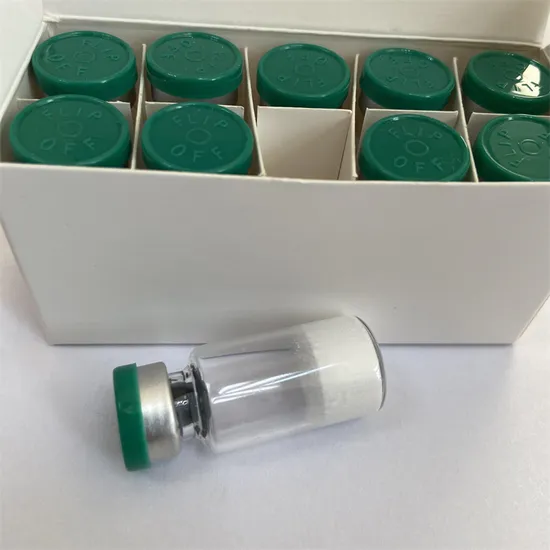
| Appearance | White to off-white lyophilized powder |
| Solubility | Freely soluble in sterile water or physiological buffers |
| Purity | ≥ 98% (HPLC, peptide fraction consistency) |
| Endotoxin Level | < 0.1 EU/mg |
| Residual Solvents | Meets research-grade specifications |
| Formulation | Lyophilized (freeze-dried) |
| Storage | −20°C to 2–8°C (desiccated, protected from light) |
| Stability | ≥ 24 months under recommended storage |
| Reconstitution | Sterile water, saline, or buffer systems |
| Application | Neuroscience & neurodegeneration research |
| Customization | Available (bulk scale, concentration, packaging) |
Expanded Notes:
Lyophilization ensures minimized peptide degradation, improved shelf life, and reliable reproducibility across experimental batches, especially critical in longitudinal neurobiology studies.
Mechanism of Action
Neurotrophic Factor Mimicry
Cerebrolysin exerts neurotrophic-like effects by functionally simulating endogenous growth factors, activating intracellular signaling cascades such as PI3K/Akt, MAPK/ERK, and CREB pathways, thereby supporting neuronal survival and differentiation.
Anti-Apoptotic Regulation
Experimental data indicate downregulation of pro-apoptotic mediators (e.g., Bax, caspase-3) and preservation of mitochondrial integrity, particularly under ischemic or excitotoxic conditions.
Synaptic Plasticity Enhancement
Cerebrolysin promotes synaptogenesis, dendritic spine density, and long-term potentiation (LTP), supporting learning and memory models in both cellular and animal systems.
Neuroinflammatory Modulation
The compound attenuates microglial overactivation and reduces pro-inflammatory cytokine release (TNF-α, IL-1β), contributing to neuroprotective microenvironments.
For a broader mechanistic framework, researchers may refer to our
Peptide Signaling Pathways in Molecular Research resource, which
summarizes receptor-mediated interactions, transcriptional modulation,
and downstream signaling cascades relevant to in vitro studies.

Applications
Neurodegenerative Disease Models
Used extensively in Alzheimer’s, Parkinson’s, Huntington’s, and ALS experimental systems to evaluate neuroprotection, cognitive preservation, and synaptic maintenance.
Ischemic & Traumatic Injury Research
Applied in stroke and traumatic brain injury (TBI) models to investigate neuronal recovery, angiogenesis, and functional restitution.
Cognitive & Behavioral Neuroscience
Supports learning, memory, and behavioral plasticity studies through synaptic modulation mechanisms.
Neurodevelopmental Studies
Employed in neuronal differentiation, neurite outgrowth, and developmental neurobiology research.

Research Models
Primary neuronal cultures
SH-SY5Y and PC12 cell lines
Rodent ischemia/reperfusion models
Transgenic neurodegeneration models
Behavioral and cognitive testing paradigms
Experimental Design Considerations
Optimize dosage empirically due to multi-component nature
Maintain consistent reconstitution protocols across experiments
Avoid repeated freeze–thaw cycles
Include appropriate vehicle and negative controls
Laboratory Safety & Handling Guidelines
For research use only
Use appropriate PPE (gloves, lab coat, eye protection)
Prepare solutions under aseptic conditions
Dispose of biological materials per institutional biosafety protocols
Integration with Multi-Omic & Computational Studies
Cerebrolysin is compatible with transcriptomic, proteomic, metabolomic, and network-based modeling approaches. Its systems-level effects make it particularly suitable for AI-assisted pathway analysis and multi-target drug modeling.
Keywords
Cerebrolysin lyophilized powder, Cerebrolysin research compound, neurotrophic agent, neuroprotection research, synaptic plasticity compound, neuroscience laboratory reagent, neurodegenerative disease model compound, cognitive research material
Shipping Guarantee
Temperature-controlled packaging with batch tracking and COA documentation provided.
Trade Assurance
Verified supplier with GMP-aligned production and quality control processes.
Payment Support
Supports wire transfer, escrow, and international trade payment options.
Disclaimer
This product is intended FOR RESEARCH USE ONLY.
Not for human or veterinary use.
Not intended for diagnosis, treatment, or prevention of any disease.

Additional information
| Weight | 1.5 kg |
|---|---|
| Dimensions | 62 × 53 × 62 cm |
2 reviews for Cerebrolysin Lyophilized Powder | 98%High purity Factory manufactured
1. What is Cerebrolysin lyophilized powder used for in research?
Cerebrolysin lyophilized powder is primarily used in neuroscience and neurodegeneration research to study neuroprotection, synaptic plasticity, neuronal survival, and functional recovery in complex CNS disease models.
2. Is Cerebrolysin considered a single peptide compound?
No. Cerebrolysin is a multi-component neurotrophic preparation, consisting of low-molecular-weight peptides and free amino acids rather than a single defined peptide.
3. Why is the lyophilized form preferred for laboratory research?
Lyophilization improves chemical stability, reduces degradation risk during transport, allows flexible reconstitution, and ensures reproducibility across long-term experimental studies.
4. What molecular weight range do the active components fall into?
The peptide fraction of Cerebrolysin predominantly falls below 10 kDa, enabling efficient interaction with neuronal signaling pathways.
5. Can Cerebrolysin be used in in vitro neuronal cultures?
Yes. It is widely applied in primary neuron cultures, neuroblastoma cell lines, and differentiation assays to assess neurite outgrowth and synaptic development.
6. Is Cerebrolysin suitable for in vivo animal models?
Yes. It is commonly used in rodent models of stroke, traumatic brain injury, Alzheimer’s disease, and Parkinson’s disease for mechanistic studies.
7. Does Cerebrolysin act as a neurotrophic factor?
Functionally, yes. While not identical to endogenous neurotrophic factors, Cerebrolysin mimics their biological activity by activating survival and plasticity-related signaling pathways.
8. What signaling pathways are influenced by Cerebrolysin?
Studies indicate modulation of PI3K/Akt, MAPK/ERK, CREB, and mitochondrial anti-apoptotic pathways.
9. Can Cerebrolysin reduce neuronal apoptosis in experimental models?
Experimental data suggest Cerebrolysin reduces apoptotic signaling and supports mitochondrial integrity under stress conditions.
10. Is Cerebrolysin compatible with synaptic plasticity studies?
Yes. It is frequently used in learning, memory, LTP, and dendritic spine density research.
11. Does Cerebrolysin influence neuroinflammation?
Cerebrolysin has been shown to modulate microglial activation and reduce pro-inflammatory cytokine release in experimental settings.
12. Can Cerebrolysin be combined with other neuroactive compounds?
Yes. It is often used in combination studies with antioxidants, growth factors, or metabolic regulators to explore synergistic effects.
13. What solvents are recommended for reconstitution?
Sterile water, saline, or commonly used physiological buffers such as PBS are suitable for reconstitution.
14. How should reconstituted solutions be handled?
Reconstituted solutions should be used promptly or stored short-term under controlled conditions to avoid degradation.
15. Are repeated freeze–thaw cycles acceptable?
No. Repeated freeze–thaw cycles should be avoided to maintain peptide integrity and experimental consistency.
Related products
Factory Supply Peptide Healthcare 99% with Safe Delivery
Peptide Healthcare Usage Delta-Sleep Inducing Peptides Purity 99%Over Dose 2mg 5mg 10mg 15mg 20mg Highe Original price was: $28.00.$23.00Current price is: $23.00.GLP-1 Retatrutide Weight Loss Slimming low price wholesale
GLP-1 peptide slimming product, 5mg 10mg 15mg vials, metabolic health- Application: Health Care Supplement
- Form: Disposable vials
- Dosages: 5mg, 10mg, 15mg
- Purity: >99%
99.9% Effective Weight Loss Shaping Peptide – Beauty Peptide Factory Direct Low Price Wholesale
Peptide Purity 99% Specification 5mg/vial, 10mg/vial, 15mg/vial Original price was: $38.00.$23.00Current price is: $23.00.Retatrutide Raw Material Factory: Low-Price Wholesale for High-Purity Peptides
Retatrutide MOQ 1 Box Source Dry Powder Original price was: $38.00.$22.00Current price is: $22.00.


helianbouesso –
The product was packed securely for transit.
Jeff –
good logistics speed!