No products in the cart.
How to Store Lyophilized Peptides Properly in Research Laboratories
Introduction
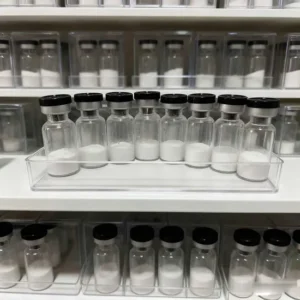
Proper storage is essential for maintaining peptide stability and quality. Many research peptides are supplied in lyophilized powder form, which allows them to remain stable for extended periods when handled correctly.
Peptides such as TB-500 and Semaglutide are often stored using standardized laboratory procedures.
Why Peptides Are Freeze-Dried
Lyophilization removes water from peptide samples while preserving molecular structure. This process helps prevent degradation and extends shelf life.
Freeze-dried peptides are easier to store and transport compared with liquid formulations.
Recommended Storage Conditions
Researchers typically follow several general guidelines when storing peptides:
keep peptides in low-temperature environments
protect samples from moisture
avoid direct exposure to light
minimize repeated freeze-thaw cycles
These precautions help maintain peptide quality during long-term storage.
Handling Peptides in Laboratories
When preparing peptide solutions, researchers usually work under controlled laboratory conditions to ensure consistent experimental results.
Proper handling reduces contamination risks and helps maintain the integrity of peptide samples.
Conclusion
Correct storage practices are essential for preserving the stability and effectiveness of research peptides. By maintaining appropriate environmental conditions, laboratories can ensure that peptide samples remain suitable for experimental use.