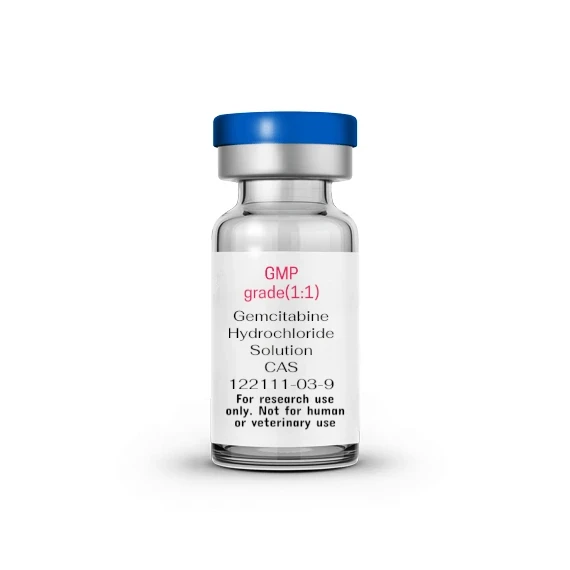
Gemcitabine Hydrochloride Solution CAS 122111-03-9 | Factory Manufactured – Buy at Low Prices | Wholesale Supply
$89.00Original price was: $89.00.$84.00Current price is: $84.00.
High-purity Gemcitabine Hydrochloride Solution (CAS 122111-03-9) suitable for advanced preclinical research applications. Provides reproducible activity for in vitro and in vivo experimental models of nucleotide analog incorporation, DNA synthesis inhibition studies, and cell cycle modulation. Factory-direct supply with batch verification and low-price wholesale options.
Gemcitabine Hydrochloride Solution (CAS 122111-03-9) is a high-purity nucleoside analog prepared specifically for laboratory and preclinical research applications. It serves as a reliable reagent for studying DNA synthesis inhibition, nucleotide incorporation, and cell-cycle modulation in a wide range of experimental models. Its precise formulation allows researchers to examine cellular responses to DNA replication stress, explore replication checkpoint activation, and dissect apoptosis-related signaling pathways in controlled in vitro and in vivo systems.
In cellular biology experiments, Gemcitabine Hydrochloride solution is widely used to monitor DNA polymerase activity, investigate replication fork dynamics, and analyze cell-cycle arrest mechanisms. Its solution format provides a reproducible, ready-to-use reagent that integrates seamlessly into high-throughput screening, flow cytometry assays, and time-course studies. Researchers can control exposure and concentration to model replication stress and nucleotide analog incorporation accurately without affecting non-target pathways.
In molecular pathway analyses, this solution enables the study of DNA repair mechanisms, checkpoint activation, and cell proliferation regulation. Researchers can combine it with transcriptomic, proteomic, or metabolomic approaches to map the systemic effects of replication inhibition, identify downstream molecular targets, and investigate interactions between nucleotide metabolism and stress-response pathways. The high purity ensures consistent biochemical activity, supporting reproducibility across independent experiments and research models.
Gemcitabine Hydrochloride solution is also applied in preclinical experimental models to study mechanistic effects of nucleotide analogs on proliferating cell populations. It allows controlled exploration of replication-dependent apoptosis, cell-cycle checkpoint modulation, and signaling pathway dynamics, making it an essential tool for understanding the molecular basis of DNA synthesis regulation. Its liquid formulation ensures ease of use, precise dosing, and stability across experimental timelines.
Overall, Gemcitabine Hydrochloride Solution is an indispensable laboratory reagent for researchers studying nucleotide analog activity, DNA replication mechanisms, and preclinical experimental pathways. Its consistent quality, solution stability, and high reproducibility empower scientists to conduct robust, high-fidelity experiments while strictly remaining within the scope of laboratory research.
Product Specifications
Item
Details
Product Name
Gemcitabine Hydrochloride Solution
CAS Number
122111-03-9
Form
Sterile aqueous solution
Purity
≥ 98% (HPLC), research-grade
Concentration
Customizable; batch-specific COA provided
Molecular Type
Nucleoside analog, hydrochloride salt
Molecular Weight
299.66 g/mol
Appearance
Clear to slightly opalescent solution
Solvent / Buffer
Typically isotonic stabilizing buffer (see COA)
Storage Conditions
–20°C long-term; 2–8°C short-term; protect from light
Shelf Life
12–24 months depending on batch
Packaging Options
1 mL / 2 mL / 5 mL vials; bulk volumes available
Documentation
COA, HPLC, LC–MS, endotoxin report available
Intended Use
For laboratory research only; not for human or veterinary use
Notes: Gemcitabine Hydrochloride solution is formulated to ensure maximum stability, batch-to-batch consistency, and reproducible experimental performance. The solution is provided in ready-to-use format, eliminating the need for labor-intensive dissolution or preparation, which reduces potential variability in experiments. Each batch is accompanied by a Certificate of Analysis (COA) and analytical reports such as HPLC and LC–MS to confirm purity and concentration.
Its storage recommendations of –20°C for long-term and 2–8°C for short-term use help maintain molecular integrity, while protection from light and moisture prevents degradation. The sterile solution is suitable for a wide range of laboratory assays, including cell-cycle studies, DNA replication analyses, and nucleotide metabolism experiments. Bulk or custom concentrations are available to support high-throughput workflows and diverse experimental designs.
By providing a stable, high-purity, and fully documented solution, Gemcitabine Hydrochloride ensures that researchers can conduct precise and reproducible preclinical studies while minimizing variability due to reagent handling or preparation. The solution is especially valuable for laboratories aiming to investigate replication stress, DNA repair, and molecular mechanisms of nucleotide analog incorporation.
Mechanism of Action
Gemcitabine Hydrochloride Solution (CAS 122111-03-9) functions as a nucleoside analog, designed to mimic natural deoxycytidine and integrate into DNA strands during replication in preclinical and in vitro research systems. Upon incorporation into newly synthesized DNA, gemcitabine induces chain termination, leading to temporary stalling of replication forks. This effect allows researchers to model DNA synthesis inhibition, replication stress, and activation of cell-cycle checkpoints under controlled experimental conditions.
In experimental models, gemcitabine is phosphorylated intracellularly to its active diphosphate and triphosphate forms. The triphosphate form competes with endogenous deoxycytidine triphosphate (dCTP) for incorporation into DNA. This incorporation results in masked chain termination, a mechanism that blocks elongation while still allowing partial DNA synthesis, which is valuable for studying replication fork stalling, DNA damage response activation, and nucleotide metabolism.
Gemcitabine Hydrochloride also indirectly impacts cellular signaling pathways. By stalling replication forks, it activates ATR/Chk1-mediated checkpoint signaling and other DNA damage response mechanisms. These effects provide controlled experimental systems to analyze how cells respond to replication stress, evaluate repair pathway engagement, and dissect apoptosis or cell-cycle arrest mechanisms in proliferating cell populations.
Furthermore, the solution format enables precise dosing, allowing researchers to modulate the extent of DNA incorporation and study dose-dependent effects on replication dynamics. The reproducibility and stability of Gemcitabine Hydrochloride solution make it an ideal tool for mechanistic studies of nucleotide analogs, DNA replication inhibition, and molecular pathway analysis in preclinical research models.
Overall, Gemcitabine Hydrochloride’s mechanism of action in research contexts is centered on controlled DNA synthesis inhibition, replication stress induction, and checkpoint activation, providing a robust platform for laboratory investigations into molecular and cellular mechanisms of nucleotide analog activity.
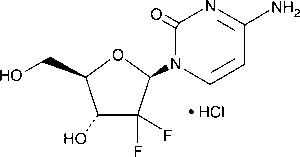
Gemcitabine Hydrochloride Chemistry Structure
Applications
Gemcitabine Hydrochloride Solution (CAS 122111-03-9) is a versatile reagent widely employed in preclinical and laboratory research to study DNA replication, nucleotide metabolism, and cell-cycle regulation. Its solution format allows for precise dosing, reproducible experimental outcomes, and seamless integration into multiple assay types, making it an indispensable tool in molecular and cellular biology research.
DNA Replication and Cell-Cycle Studies: Researchers use Gemcitabine Hydrochloride solution to investigate replication fork dynamics, S-phase progression, and checkpoint activation in proliferating cells. It provides a controlled experimental system to explore replication stress responses, cell-cycle arrest mechanisms, and DNA synthesis inhibition, offering mechanistic insights into nucleotide analog activity.
Molecular Mechanistic Analyses: Gemcitabine Hydrochloride enables detailed study of DNA repair pathways, replication-associated signaling, and apoptosis regulation. By modulating DNA synthesis, researchers can assess downstream effects on checkpoint proteins, signaling cascades, and replication stress response networks. This makes it highly valuable for elucidating molecular pathways in laboratory models.
High-Throughput Screening and Experimental Models: The solution is compatible with multi-well plate assays, flow cytometry, and 3D culture systems, facilitating high-throughput and organoid-based studies. Its ready-to-use format reduces preparation time and variability, supporting reproducible results in experimental designs requiring precise replication inhibition.
Integration with Multi-Omics Studies: Gemcitabine Hydrochloride solution is suitable for incorporation into transcriptomic, proteomic, and metabolomic workflows, enabling researchers to examine system-wide molecular responses to DNA replication stress. This allows for comprehensive mechanistic studies and identification of downstream effectors and pathways involved in nucleotide metabolism.
Preclinical Modeling: While strictly limited to laboratory research, the solution is applied in cellular and model system experiments to study the effects of nucleotide analogs on proliferating populations. It aids in exploring replication-dependent stress responses, DNA repair engagement, and molecular mechanisms of cell-cycle modulation.
Overall, Gemcitabine Hydrochloride Solution is a highly effective reagent for laboratories focused on replication biology, nucleotide analog research, and mechanistic studies, providing a controlled, reproducible platform for exploring DNA synthesis modulation and cellular response pathways in preclinical research models.
Research Models
Gemcitabine Hydrochloride Solution (CAS 122111-03-9) is widely utilized in preclinical and laboratory research models to investigate DNA synthesis, nucleotide incorporation, and replication-associated pathways. Its high purity and solution stability make it suitable for diverse experimental systems, enabling precise and reproducible studies of replication stress, cell-cycle regulation, and DNA repair mechanisms.
Cell Line Models: The solution is commonly applied to immortalized cell lines, primary proliferating cells, and engineered model systems to study DNA replication dynamics and nucleotide analog incorporation. Researchers can perform controlled experiments on replication fork stalling, S-phase arrest, and checkpoint activation across different cell types. Dose-response and time-course studies allow mechanistic insights into replication stress responses and apoptosis induction.
3D Culture and Organoid Models: Gemcitabine Hydrochloride solution supports three-dimensional culture systems and organoid models, providing a physiologically relevant platform for studying replication dynamics in tissue-like structures. These models allow investigation of nucleotide analog effects on cellular proliferation, DNA repair activation, and signaling networks within organized cell populations.
Molecular Pathway Models: In vitro systems using this solution facilitate studies on DNA repair, nucleotide metabolism, and checkpoint regulation. Researchers can combine it with flow cytometry, immunofluorescence, and Western blot assays to map molecular responses to replication inhibition and analyze downstream signaling events in preclinical models.
Experimental Preclinical Models: While strictly for laboratory research, Gemcitabine Hydrochloride solution can be applied in controlled preclinical in vivo-like models to study the effects of nucleotide analogs on proliferating cell populations. These models enable investigation of DNA synthesis inhibition, checkpoint activation, and replication stress pathways under well-defined laboratory conditions.
Overall, Gemcitabine Hydrochloride solution provides researchers with a robust, reproducible, and versatile platform to explore nucleotide analog activity, DNA replication mechanisms, and replication stress responses across a variety of preclinical and mechanistic research models. Its stability, high purity, and solution format ensure consistency, making it a dependable tool for laboratory-based investigations.
Experimental Design Considerations
When using Gemcitabine Hydrochloride Solution (CAS 122111-03-9) in laboratory research, careful experimental design is critical to ensure reproducibility, accuracy, and meaningful interpretation of results. Researchers should consider concentration, exposure time, model system selection, and analytical endpoints to fully leverage the solution’s potential in preclinical studies.
Concentration and Dose Optimization: The effect of gemcitabine on DNA synthesis and replication stress is dose-dependent. Researchers should perform preliminary titration studies to identify optimal concentrations that induce measurable replication inhibition without causing non-specific cytotoxicity. This ensures that observed molecular effects are directly attributable to nucleotide analog incorporation and not off-target stress responses.
Exposure Duration and Time-Course Studies: Time-dependent effects are essential for understanding replication fork stalling, checkpoint activation, and downstream DNA repair responses. Experimental designs should include multiple time points to capture early, intermediate, and late molecular events, providing a comprehensive view of cellular response dynamics.
Control Conditions: Include vehicle controls, untreated cells, and negative controls to distinguish the specific effects of Gemcitabine Hydrochloride solution from baseline experimental variability. For studies involving multi-omic analyses, replicate experiments and batch-matched controls improve reliability and facilitate reproducible mechanistic interpretations.
Model System Selection: Different cell types or experimental systems can show varying sensitivity to nucleotide analogs. Researchers should select cell lines, organoids, or preclinical models that align with the study objective and allow measurable modulation of DNA synthesis, replication stress, or checkpoint activation.
Assay Integration: Gemcitabine Hydrochloride solution is compatible with a wide range of analytical assays, including flow cytometry, immunofluorescence, Western blotting, and multi-omic profiling. Integration with these techniques enhances the ability to dissect molecular pathways, replication dynamics, and DNA repair mechanisms.
Handling and Storage: Maintain solution stability by following storage guidelines (–20°C long-term, 2–8°C short-term) and avoid repeated freeze-thaw cycles. Proper handling ensures consistent experimental outcomes and preserves reagent activity across multiple studies.
By considering these factors, researchers can design robust, reproducible experiments with Gemcitabine Hydrochloride solution, enabling precise studies of nucleotide analog incorporation, DNA replication inhibition, and cell-cycle regulatory mechanisms in controlled laboratory models.
Laboratory Safety & Handling Guidelines
Gemcitabine Hydrochloride Solution (CAS 122111-03-9) is a high-purity nucleoside analog intended exclusively for preclinical and laboratory research. Strict adherence to laboratory safety protocols is essential to prevent exposure, maintain reagent integrity, and ensure reproducible experimental results.
Personal Protective Equipment (PPE): Always wear lab coats, gloves, and eye protection when handling the solution. Additional protective gear such as face shields or respiratory protection may be warranted if procedures generate aerosols. Proper PPE minimizes accidental contact with skin or eyes and prevents contamination of experimental systems.
Handling Procedures: Handle the solution in a biosafety cabinet or well-ventilated area to reduce the risk of aerosol exposure. Avoid ingestion, inhalation, and direct contact with skin or mucous membranes. Use pipettes and other laboratory tools carefully to prevent spills, and immediately clean any accidental contamination following institutional safety protocols.
Storage Guidelines: Store the solution at –20°C for long-term use or 2–8°C for short-term experimental applications. Protect from light and moisture to maintain chemical stability. Avoid repeated freeze-thaw cycles, which can degrade the nucleoside analog and reduce experimental reproducibility. Clearly label all containers with CAS number, batch number, expiration date, and intended research use.
Waste Disposal: Dispose of all contaminated materials—including pipette tips, tubes, and culture plates—in approved biohazard or chemical waste containers according to institutional and local regulations. Decontaminate work surfaces and equipment after use to prevent cross-contamination.
Spill and Accident Procedures: In case of accidental spills, immediately contain and clean using absorbent materials while wearing PPE. For skin or eye exposure, rinse thoroughly with water and seek guidance from institutional safety officers. Ensure proper documentation of any incidents for lab safety records.
Training and Supervision: Only trained personnel should handle Gemcitabine Hydrochloride solution. Ensure that all laboratory staff are familiar with reagent-specific safety data sheets (SDS), institutional biosafety protocols, and emergency procedures.
By following these safety and handling guidelines, researchers can conduct experiments with Gemcitabine Hydrochloride solution safely, maintain the integrity of their studies, and minimize risks associated with laboratory exposure to reactive nucleoside analogs.
Gemcitabine Hydrochloride Solution
Integration with Multi-Omic & Computational Studies
Gemcitabine Hydrochloride solution can be integrated into multi-omic workflows, including:
Transcriptomics: Analyze gene expression changes due to replication inhibition.
Proteomics/Phosphoproteomics: Monitor protein abundance, post-translational modifications, and DNA damage response.
Metabolomics: Study nucleotide pool alterations, energy metabolism, and stress response pathways.
Computational Modeling: Combine omics data with predictive models of replication stress, pathway modulation, and mechanistic network analysis.
This integration allows researchers to gain a systems-level understanding of DNA replication and nucleotide analog effects in controlled laboratory research.
Things to note
In preclinical models, Gemcitabine Hydrochloride solution can induce:
Replication Stress: DNA chain termination and stalling of replication forks.
Checkpoint Activation: Activation of S-phase checkpoints and DNA damage response pathways.
Cellular Effects: Controlled induction of apoptosis or cell-cycle arrest in rapidly proliferating cells.
These effects are intended experimental outcomes and are fully reversible under controlled conditions. Proper dose titration and experimental controls are essential to avoid non-specific cytotoxicity. All observations are relevant strictly to research models and not therapeutic or clinical applications.
Keywords
Gemcitabine Hydrochloride solution, CAS 122111-03-9, nucleotide analog, DNA replication inhibitor, cell-cycle research, preclinical study, in vitro modeling, replication stress, DNA synthesis modulation, laboratory research reagent, Tumor Research
Shipping Guarantee
Global express shipping with full tracking ensures timely and secure delivery of Gemcitabine Hydrochloride Solution. Temperature-controlled packaging maintains molecular stability, while moisture-resistant sealing prevents degradation during transit. Each shipment includes a batch-specific Certificate of Analysis (COA) to guarantee reproducibility and traceability. These measures ensure that the reagent arrives in optimal condition for laboratory research applications.
Trade Assurance
Supports bulk and custom orders with verified COA, HPLC, and LC–MS documentation for quality assurance. Factory-controlled production ensures batch-to-batch consistency, providing reliable reagents for long-term preclinical studies. Secure commercial agreements are available for institutional clients requiring large-scale laboratory supply. All procedures prioritize reagent integrity and reproducible experimental results.
Payment Support
Accepts multiple payment methods including bank transfer, PayPal, TT, LC, and corporate invoicing. Flexible options are available for both small-volume assay samples and bulk orders, facilitating seamless procurement for laboratory research. Payment procedures are designed to support timely delivery and secure transactions. Researchers can plan experiments confidently knowing reagent availability is reliable.
Disclaimer
For laboratory research only. Not intended for human or veterinary use under any circumstances. Gemcitabine Hydrochloride Solution must be handled by trained personnel following institutional biosafety protocols. All information provided pertains strictly to preclinical research, and no clinical or therapeutic applications are implied or intended.
References
Mini E, et al. Cellular mechanisms of gemcitabine incorporation and DNA synthesis inhibition. PubMed (pubmed.ncbi.nlm.nih.gov)
Plunkett W, et al. Gemcitabine preclinical pharmacology: DNA replication and apoptosis studies. PubMed (pubmed.ncbi.nlm.nih.gov)
Heinemann V, et al. Mechanistic studies on gemcitabine nucleotide analog effects in cultured cells. PubMed (pubmed.ncbi.nlm.nih.gov)
Huang P, et al. Gemcitabine incorporation into DNA and implications for DNA repair pathways. PubMed (pubmed.ncbi.nlm.nih.gov)
Burris HA, et al. Laboratory applications of gemcitabine in preclinical cancer research models. PubMed (pubmed.ncbi.nlm.nih.gov)
laboratory
Additional information
Weight
1.1 kg
Dimensions
18 × 16 × 18 cm
Reviews
There are no reviews yet.
Be the first to review “Gemcitabine Hydrochloride Solution CAS 122111-03-9 | Factory Manufactured – Buy at Low Prices | Wholesale Supply” Cancel reply
1. What is Gemcitabine Hydrochloride Solution used for?
Gemcitabine Hydrochloride Solution is used in preclinical and laboratory research to study DNA replication inhibition, nucleotide incorporation, and cell-cycle regulation. It provides a controlled system for examining replication stress and molecular responses in experimental models. Researchers can apply it in both in vitro cell cultures and mechanistic studies to gain reproducible results.
2. Can it be used in cellular assays?
Yes, the solution is suitable for cell culture experiments, flow cytometry, and replication studies. Its ready-to-use format allows precise dosing, ensuring consistent incorporation into experimental workflows while minimizing variability between assays.
3. How should it be stored?
Store at –20°C for long-term use or 2–8°C for short-term experiments. Protect from light and avoid repeated freeze-thaw cycles to maintain solution stability and experimental reproducibility. Proper storage ensures reliable results across multiple research sessions.
4. Is batch documentation provided?
Yes, each batch includes a Certificate of Analysis (COA), HPLC report, and LC–MS documentation. These documents confirm purity, concentration, and integrity, supporting reproducible experimental outcomes and quality verification for preclinical studies.
5. Can it be integrated with multi-omic studies?
Absolutely. Gemcitabine Hydrochloride Solution can be incorporated into transcriptomics, proteomics, and metabolomics workflows. It enables researchers to analyze system-level effects of replication inhibition, identify affected molecular pathways, and perform comprehensive mechanistic studies.
6. Are there any safety precautions?
Yes. Always wear PPE, handle the solution in a biosafety cabinet, and follow institutional safety guidelines. Avoid ingestion, inhalation, or skin contact, and properly dispose of all contaminated materials. These precautions ensure safe handling in laboratory environments.
7. What experimental models are compatible with this solution?
Compatible with immortalized cell lines, primary proliferating cells, organoids, and 3D culture systems. These models allow controlled investigation of DNA replication dynamics, checkpoint activation, and nucleotide analog effects in preclinical research.
8. How is the solution supplied?
Gemcitabine Hydrochloride is provided as a sterile aqueous solution, available in multiple vial sizes (1 mL, 2 mL, 5 mL) and bulk volumes. Custom concentrations can be requested, accompanied by batch-specific COA and analytical documentation.
9. Can it be used for high-throughput experiments?
Yes. Its stable, ready-to-use format supports multi-well plate assays and high-throughput screening. Researchers can perform reproducible studies across multiple samples and time points without additional preparation.
10. Does it affect cell viability in experiments?
Gemcitabine Hydrochloride may induce replication stress and controlled cell-cycle arrest in proliferating cells, which is expected in preclinical models. Proper dose optimization ensures that observed effects reflect DNA synthesis inhibition rather than non-specific cytotoxicity.
11. Is the solution suitable for 3D culture models?
Yes. It can be applied in organoids and spheroid systems to study replication dynamics and nucleotide analog effects in tissue-like structures. This allows mechanistic studies in more physiologically relevant models.
12. How can I verify reagent purity?
Each batch includes a COA, HPLC report, and LC–MS documentation, confirming purity and concentration. Researchers can use these documents to ensure experimental consistency and reproducibility.
13. Can it be used to study DNA repair mechanisms?
Yes. By inducing replication fork stalling and checkpoint activation, Gemcitabine Hydrochloride Solution allows researchers to examine DNA repair pathway engagement and molecular response networks in controlled experimental settings.
14. What precautions are needed for long-term storage?
For long-term storage, maintain at –20°C in a tightly sealed, light-protected container. Minimize freeze-thaw cycles and avoid exposure to moisture to preserve molecular stability and ensure consistent experimental results.
15. Is the solution suitable for multi-omic integration with computational modeling?
Yes. Data generated from experiments using this solution can be combined with computational models to simulate DNA replication dynamics, checkpoint activation, and replication stress responses, enabling systems-level mechanistic analyses in preclinical research.
High-purity Granisetron Hydrochloride Dispersible is a factory-manufactured research reagent optimized for in vitro receptor binding studies, 5-HT3 receptor mechanistic analysis, and molecular signaling research. Available for bulk and wholesale laboratory use with batch-verified purity and reproducible performance.
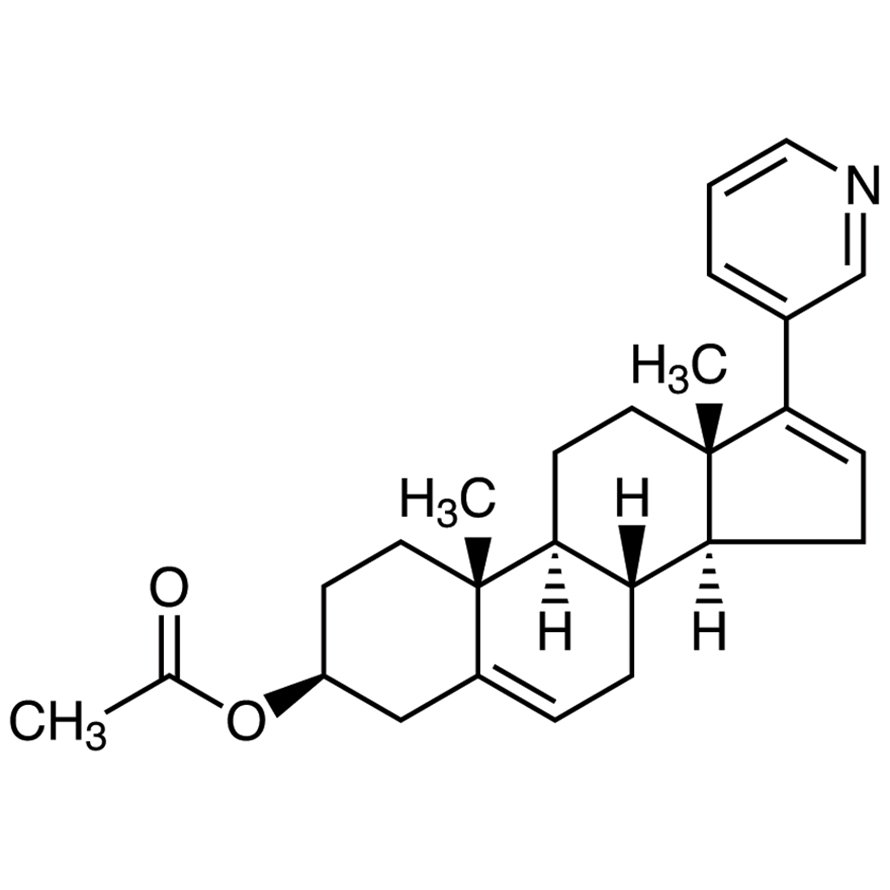
High-purity Abiraterone Acetate 250 mg, manufactured under strict quality control for in vitro receptor studies, enzymatic pathway research, and molecular mechanism analysis. Available for bulk, wholesale, and customized laboratory supply with consistent batch-to-batch purity.
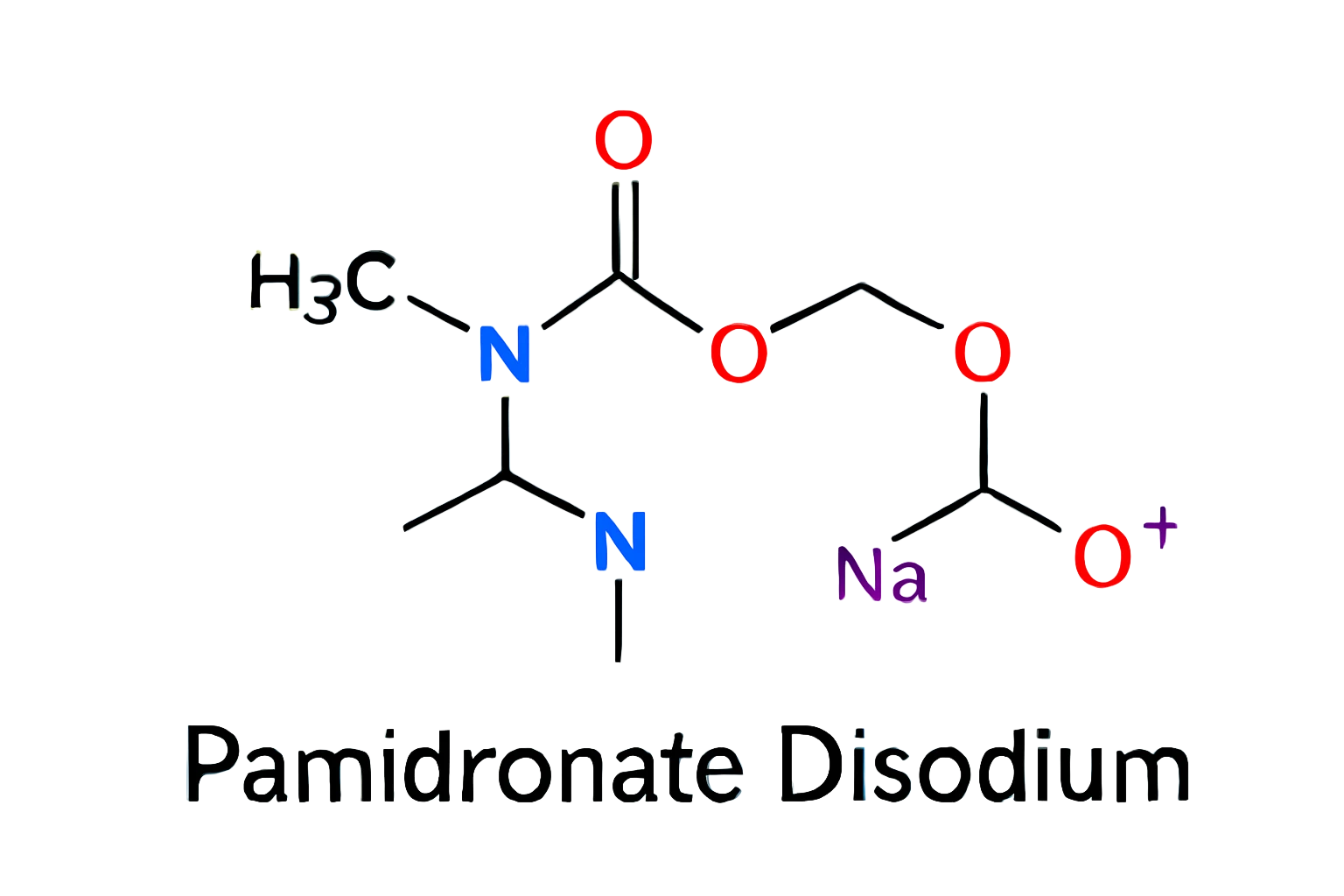
Pamidronate Disodium is a high-purity bisphosphonate reagent designed for in vitro mechanistic studies. It enables research into bone-related biochemical pathways, protein-ligand interactions, and molecular signaling mechanisms under controlled laboratory conditions. Supplied in a laboratory-ready format, it is ideal for mechanistic assays and protein interaction studies.
Rated 4.00 out of 5
$6.00Original price was: $6.00.$2.00Current price is: $2.00.
High-purity Mechlorethamine Hydrochloride Solution manufactured under strict factory-controlled conditions, designed exclusively for in vitro, biochemical, and molecular mechanism research. Suitable for laboratories requiring bulk, wholesale, or customized research-grade supply.





Reviews
There are no reviews yet.