
No products in the cart.
Sale
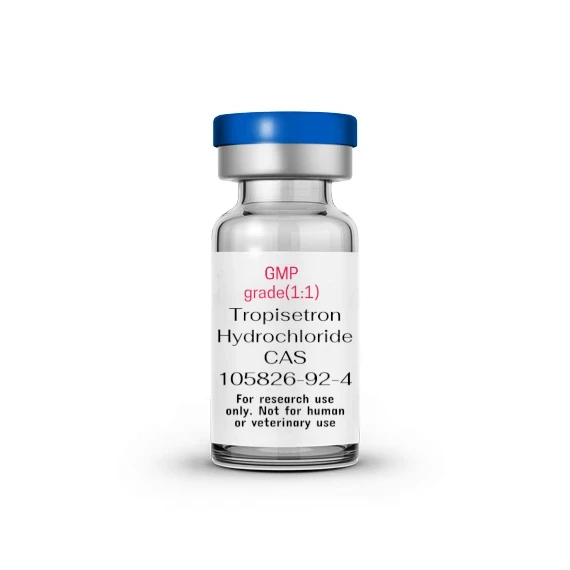

Tropisetron Hydrochloride | CAS 105826-92-4 | 5-HT3 Receptor Antagonist for Preclinical Neurotransmission and Cytotoxicity Research
Original price was: $3.00.$2.00Current price is: $2.00.
Tropisetron Hydrochloride (CAS 105826-92-4) is a high-purity 5-HT3 receptor antagonist supplied as a solution for preclinical research. Tropisetron Hydrochloride is widely used to investigate serotonin-mediated neurotransmission, cytotoxicity modulation, receptor signaling, and apoptosis mechanisms in cellular and molecular neuroscience studies.

Description
Product Description
Tropisetron Hydrochloride (CAS 105826-92-4) is a potent and selective 5-hydroxytryptamine type 3 (5-HT3) receptor antagonist. Its solution form ensures precise dosing and consistent experimental outcomes for in vitro and in vivo preclinical studies. Tropisetron Hydrochloride modulates serotonin-mediated signaling pathways, regulates neurotransmission, and affects cellular stress responses, apoptosis, and cytotoxicity in neuronal and non-neuronal cells.
Pharmacological Background
5-HT3 receptors are ligand-gated ion channels involved in fast excitatory neurotransmission in the central and peripheral nervous systems. Tropisetron Hydrochloride binds selectively to 5-HT3 receptors, inhibiting serotonin-induced cation influx, modulating neurotransmitter release, and influencing downstream signaling pathways, including ERK, PKC, and intracellular calcium flux.
Tropisetron Hydrochloride is widely used to investigate:
Serotonin-mediated neurotransmission and receptor desensitization
Neuronal excitability and synaptic plasticity
Apoptotic pathways and cytotoxicity modulation
Receptor-mediated intracellular calcium signaling
Neuroimmune interactions and cytokine release
Preclinical pharmacokinetic and pharmacodynamic studies
Research Applications
Tropisetron Hydrochloride solution is suitable for a wide range of preclinical applications:
5-HT3 receptor blockade studies
Investigation of serotonin-mediated cytotoxicity in neuronal and non-neuronal cells
Apoptosis and cell-cycle modulation studies
Neurotransmitter release and receptor-ligand binding kinetics
Combination studies with chemotherapeutic or neuroactive agents
In vivo studies on neuronal excitability, synaptic signaling, and neuroprotection
The solution formulation allows researchers to prepare accurate concentrations, typically ranging from 1–10 mM, for consistent in vitro assays, electrophysiological recordings, and in vivo administration. Tropisetron Hydrochloride is ideal for laboratories studying 5-HT3 receptor pharmacology, serotonin signaling, neuroprotection, and cytotoxicity mechanisms.
Product Specifications
| Parameter | Specification / Data |
|---|---|
| Chemical Name / Synonyms | Tropisetron Hydrochloride; Tropisetron HCl; 5-HT3 Receptor Antagonist; C18H22N2O·HCl |
| CAS Number | 105826-92-4 |
| Molecular Formula | C18H22N2O·HCl |
| Molecular Weight | 302.84 g/mol |
| Purity / Assay | ≥99% |
| Appearance | Clear to slightly yellow solution |
| Solvent | DMSO, ethanol, water, or laboratory-grade buffer |
| Concentration | Typically 1–10 mM, adjustable per order |
| Storage Temperature | 2–8 °C; protect from light |
| Stability | Stable under refrigeration; avoid repeated freeze-thaw cycles |
| Analytical Methods | HPLC, MS, NMR verified; batch consistency confirmed |
| Mechanistic Target | 5-HT3 receptor, serotonin signaling, apoptosis modulation |
| Structural Category | 5-HT3 receptor antagonist, indole derivative |
| Applications | Neurotransmission studies, cytotoxicity assays, apoptosis research, receptor-ligand kinetics, combination therapy studies, neuroprotection assays |
| Batch Consistency | Verified by HPLC, MS, NMR |
| Regulatory Notes | For laboratory research use only |
| Origin | Factory small-molecule supplier; China chemical manufacturer; OEM & bulk production available |
| Additional Data | SMILES: C1=CC=C2C(=C1)C(=CN2CC3CCN(CC3)C)O; CoA provided for each batch |
Mechanism of Action
5-HT3 Receptor Antagonism
Tropisetron Hydrochloride selectively binds to 5-HT3 receptors, preventing serotonin-induced cation influx, which reduces neuronal excitability and downstream signal transduction.
Key effects include:
Inhibition of ligand-gated ion channel activation
Suppression of serotonin-mediated calcium influx
Modulation of ERK, PKC, and intracellular signaling cascades
Reduction of neurotransmitter release in central and peripheral neurons
Apoptosis and Cytotoxicity Modulation
Tropisetron Hydrochloride modulates apoptosis pathways and cytotoxicity in neuronal and non-neuronal cells via:
Mitochondrial stabilization and cytochrome c regulation
Reactive oxygen species (ROS) modulation
Caspase-3/-9 activation or inhibition depending on cellular context
Neuroprotective or cytotoxic effects depending on experimental model
Preclinical Research Applications
Neuroprotection and neuronal excitability studies
Serotonin-mediated neurotransmission and receptor desensitization
Apoptosis and cytotoxicity assays
Receptor-ligand binding and kinetics studies
Combination studies with chemotherapeutic, neuroactive, or signaling modulators


Side Effects (Preclinical Observations)
Cellular Effects
Modulation of serotonin-mediated intracellular calcium
Altered neurotransmitter release and synaptic signaling
ROS-mediated cellular stress
Biochemical Effects
Changes in ERK, PKC, and other intracellular signaling pathways
Caspase-mediated apoptosis induction in specific models
Potential neuroprotective effects under certain preclinical conditions
Laboratory Handling
Use PPE and fume hood protection
Store Tropisetron Hydrochloride solution at 2–8 °C, protected from light
Strictly for laboratory research; not for human or veterinary use
Keywords
Tropisetron Hydrochloride, Tropisetron HCl, 5-HT3 receptor antagonist, serotonin signaling, neurotransmission research, cytotoxicity modulation, apoptosis studies, receptor-ligand kinetics, neuroprotection, high-purity research chemical, factory small-molecule supplier, China chemical manufacturer, OEM & bulk production, laboratory research reagent
Shipping Guarantee
All Tropisetron Hydrochloride solution shipments are handled via validated cold-chain logistics. Packages are sealed with secondary protective wrapping and shipped with tracking and insurance.
Trade Assurance
Authenticity guaranteed. ≥99% purity verified by HPLC, MS, and NMR. CoA provided for each batch. Replacement or refund available for any deviation from listed specifications.
Payment Support
Global payment options: PayPal, Visa, MasterCard, American Express, T/T, USDT, Bitcoin, Ethereum. Transactions encrypted and verified.
Disclaimer
Tropisetron Hydrochloride is supplied strictly for laboratory research. Not for human or veterinary use. Researchers must follow institutional safety guidelines.
References

Additional information
| Weight | 1.1 kg |
|---|---|
| Dimensions | 18 × 16 × 18 cm |
What is Tropisetron Hydrochloride used for in laboratory research?
Tropisetron Hydrochloride is a high-purity 5-HT3 receptor antagonist solution used to study serotonin-mediated neurotransmission, receptor signaling, cytotoxicity, and apoptosis in preclinical models.
How does Tropisetron Hydrochloride work?
It selectively blocks 5-HT3 receptor ligand-gated ion channels, inhibiting serotonin-induced cation influx, modulating intracellular calcium and downstream signaling pathways.
What is the purity of Tropisetron Hydrochloride supplied?
All batches are verified ≥99% purity by HPLC, MS, and NMR analyses to ensure reproducibility.
How should Tropisetron Hydrochloride solution be stored?
Store at 2–8 °C, protected from light and moisture. Avoid repeated freeze-thaw cycles to maintain stability.
Which solvents are suitable for Tropisetron Hydrochloride?
Water, DMSO, ethanol, or laboratory-grade buffers are suitable for reconstitution, depending on assay requirements.
Can Tropisetron Hydrochloride be used in receptor-ligand binding studies?
Yes, it is ideal for 5-HT3 receptor binding kinetics and functional assays.
Is Tropisetron Hydrochloride suitable for cytotoxicity studies?
Yes, it modulates apoptosis and cytotoxicity in neuronal and non-neuronal preclinical models.
Can Tropisetron Hydrochloride be used for neuroprotection studies?
Yes, it can reduce serotonin-induced excitotoxicity and protect neurons in specific preclinical assays.
Is Tropisetron Hydrochloride available in bulk or for OEM production?
Yes, supplied by verified chemical manufacturers with OEM and bulk options.
What safety precautions are required when handling Tropisetron Hydrochloride?
Use PPE, including gloves and lab coats, and work in a fume hood. Strictly for research use only.
Can Tropisetron Hydrochloride be used in in vivo preclinical models?
Yes, solution form allows accurate dosing in animal studies to evaluate neurotransmission and receptor modulation.
Which analytical methods confirm Tropisetron Hydrochloride quality?
Verified by HPLC, MS, and NMR; each batch includes a CoA.
Does Tropisetron Hydrochloride affect intracellular signaling pathways?
Yes, it modulates ERK, PKC, and intracellular calcium flux downstream of 5-HT3 receptor blockade.
Are high-purity Tropisetron Hydrochloride solutions available?
Yes, all batches meet ≥99% purity standards.
What applications are suitable for Tropisetron Hydrochloride?
Neurotransmission research, receptor-ligand studies, cytotoxicity modulation, apoptosis assays, neuroprotection, GPCR signaling, combination therapy studies, and preclinical pharmacokinetic/pharmacodynamic research.
Related products
Mechlorethamine Hydrochloride High Purity | Factory Manufactured | Laboratory Research Use Only
High-purity Mechlorethamine Hydrochloride Solution manufactured under strict factory-controlled conditions, designed exclusively for in vitro, biochemical, and molecular mechanism research. Suitable for laboratories requiring bulk, wholesale, or customized research-grade supply.
$1.00Palbociclib 125 mg capsule
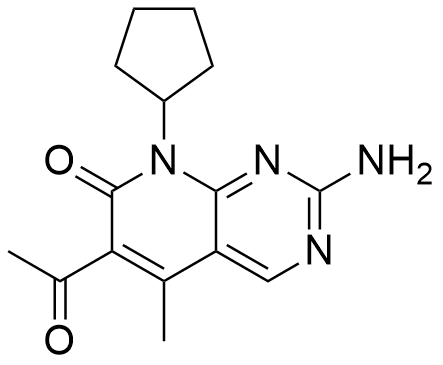
Palbociclib is a high-purity small-molecule CDK4/6 inhibitor supplied at 125 mg per vial, specifically formulated for laboratory research and in vitro mechanistic studies. Produced via factory-controlled processes, it ensures high reproducibility and consistent performance for protein interaction assays, signaling pathway analysis, and molecular mechanism research. Strictly for research use only.
$2.00Pamidronate Disodium solution 15mg — Laboratory Research Grade Reagent
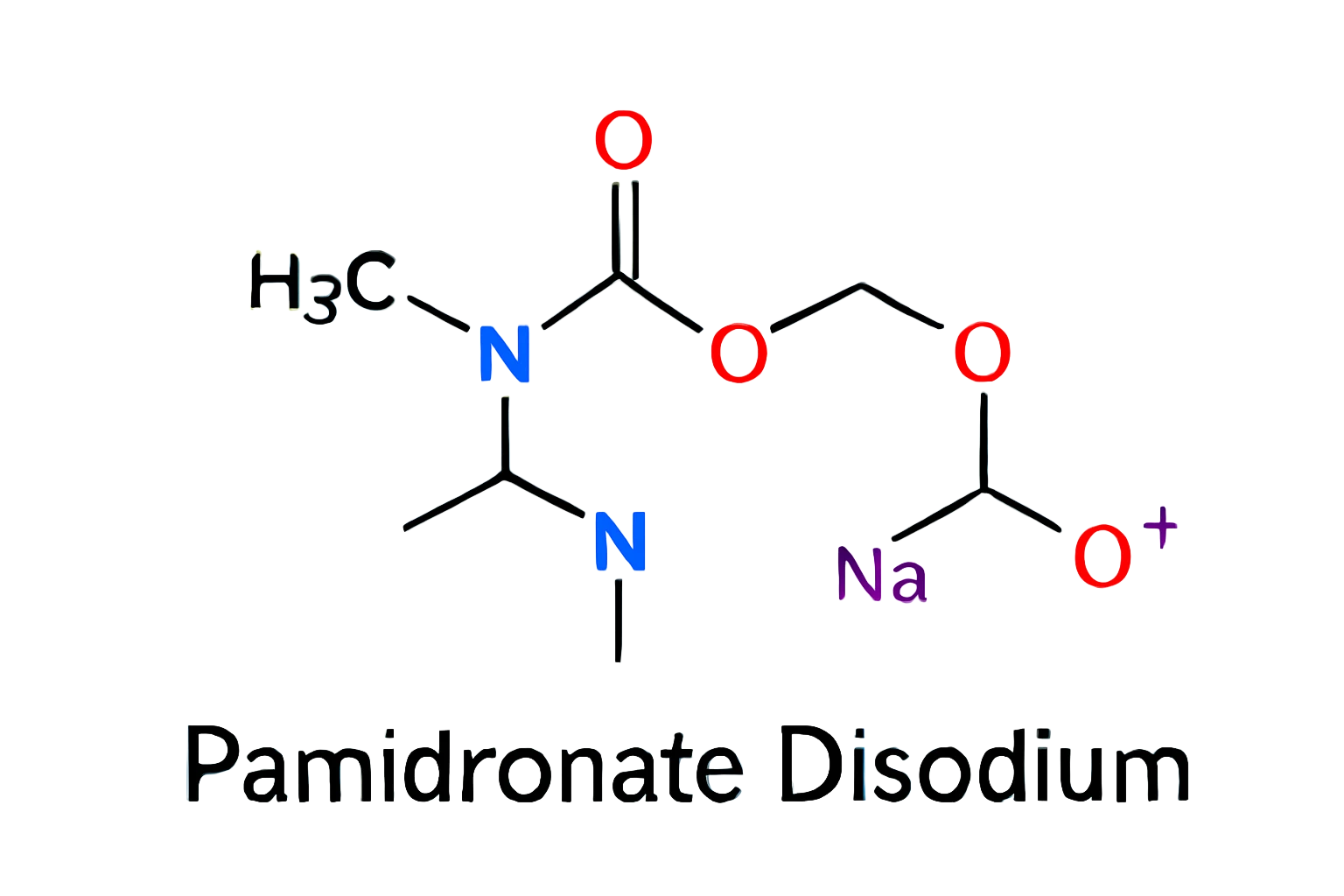
Pamidronate Disodium is a high-purity bisphosphonate reagent designed for in vitro mechanistic studies. It enables research into bone-related biochemical pathways, protein-ligand interactions, and molecular signaling mechanisms under controlled laboratory conditions. Supplied in a laboratory-ready format, it is ideal for mechanistic assays and protein interaction studies. Original price was: $6.00.$2.00Current price is: $2.00.Iparomlimab and Tuvonralimab 50 mg/2 mL Solution
Iparomlimab and Tuvonralimab is a high-purity monoclonal antibody solution supplied at 50 mg/2 mL by factory manufacturing with low-price wholesale availability. Designed exclusively for in vitro molecular mechanism studies, protein interaction assays, and signaling pathway research, it provides reproducible and reliable experimental performance. Strictly for laboratory research use. $1.00



Reviews
There are no reviews yet.