
No products in the cart.
Sale
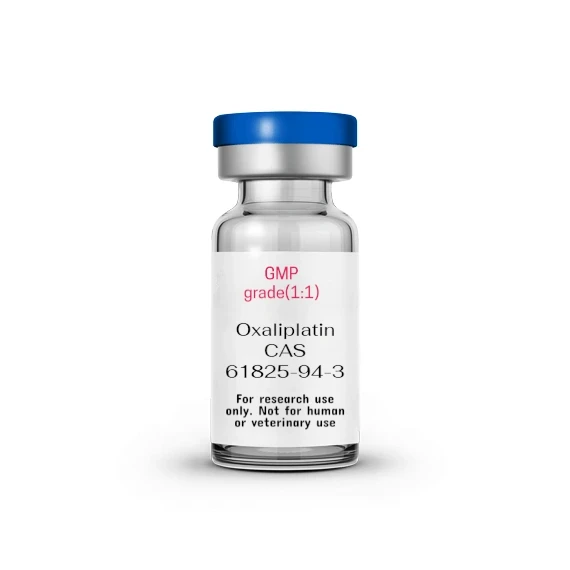

Oxaliplatin | CAS 61825-94-3 | Platinum-Based Chemotherapeutic Agent for DNA Crosslinking and Anticancer Research
Original price was: $3.00.$2.00Current price is: $2.00.
Oxaliplatin is a platinum-based chemotherapeutic agent widely used in preclinical research to study DNA crosslinking, apoptosis, and cell cycle disruption in cancer models. It enables detailed investigation of platinum-DNA adduct formation, drug resistance mechanisms, and cytotoxic signaling pathways.

Description
Product Description
Oxaliplatin (CAS 61825-94-3) is a third-generation platinum-based chemotherapeutic agent characterized by its 1,2-diaminocyclohexane (DACH) carrier ligand. Unlike first-generation platinum drugs, Oxaliplatin forms DNA adducts that inhibit replication and transcription, triggering apoptosis and cell cycle arrest in rapidly dividing cells.
In preclinical research, Oxaliplatin is employed to study:
Formation and repair of platinum-DNA adducts.
Cellular response to DNA damage, including apoptosis and cell cycle modulation.
Mechanisms of drug resistance, such as enhanced nucleotide excision repair or mismatch repair pathway activity.
Combination therapy strategies with targeted inhibitors or other cytotoxic agents.
Molecular pathways affected by platinum-based DNA damage, including p53, p21, and caspase activation.
Supplied as a white to off-white crystalline powder with ≥99% purity, Oxaliplatin is stable under refrigerated conditions (2–8 °C) and soluble in water, DMSO, and physiological buffers. Analytical verification is performed using HPLC, MS, and NMR to ensure consistency and high purity.
Oxaliplatin’s unique DACH ligand and platinum coordination enable selective cytotoxicity and minimize cross-resistance with other platinum compounds. Its well-characterized activity profile makes it an indispensable tool for studying DNA crosslinking, cellular cytotoxicity, apoptosis, and chemotherapy resistance mechanisms in vitro and in vivo.
Product Specifications
| Parameter | Specification / Data |
|---|---|
| Chemical Name / Synonyms | Oxaliplatin; Eloxatin®; Platinum(IV) 1,2-diaminocyclohexane oxalato; DACH-Pt-oxalate |
| CAS Number | 61825-94-3 |
| Molecular Formula | C8H14N2O4Pt |
| Molecular Weight | 397.29 g/mol |
| Purity / Assay | ≥99% |
| Appearance | White to off-white crystalline powder |
| Solubility | Soluble in water, DMSO, and physiological buffers |
| Storage Temperature | 2–8 °C |
| Analytical Methods | HPLC, MS, NMR verified |
| Mechanistic Target | DNA crosslinking, apoptosis induction, cell cycle disruption |
| Structural Category | Platinum-based chemotherapeutic agent |
| Applications | Preclinical cancer research, DNA damage studies, apoptosis research, drug resistance evaluation |
| Batch Consistency | Verified by HPLC, MS, NMR |
| Origin | Factory peptide and small molecule supplier, China peptide manufacturer, OEM & bulk production available |
Mechanism of Action
Oxaliplatin exerts its activity as a platinum-based chemotherapeutic agent by forming covalent DNA adducts, leading to intra- and inter-strand DNA crosslinks. These crosslinks prevent proper DNA replication and transcription, ultimately activating cell cycle checkpoints and inducing apoptosis in rapidly dividing cells.
The 1,2-diaminocyclohexane (DACH) carrier ligand contributes to enhanced cytotoxicity and reduced cross-resistance compared to earlier platinum drugs. In preclinical research, Oxaliplatin is used to study:
DNA damage recognition and repair mechanisms.
Cellular responses to platinum-induced cytotoxicity.
Mechanisms of drug resistance, including nucleotide excision repair and mismatch repair pathways.
Signaling cascades involving p53, p21, and caspases.
Combination therapy effects with targeted inhibitors or other chemotherapeutics.

Side Effects
For laboratory use, follow standard safety protocols:
Avoid inhalation, ingestion, and skin or eye contact.
Use gloves, lab coat, and protective eyewear.
Conduct experiments in a fume hood or well-ventilated laboratory.
Dispose of waste according to institutional safety regulations.
Experimental effects may include DNA crosslinking, cell cycle arrest, apoptosis, and cytotoxicity in cell-based or animal models. This product is strictly for research use only.
Keywords
Oxaliplatin, CAS 61825-94-3, platinum-based chemotherapeutic, DNA crosslinking, apoptosis induction, cell cycle disruption, preclinical cancer research, cytotoxic signaling, high purity, ≥99% purity, factory peptide supplier, peptide wholesale China, China peptide manufacturer, OEM & bulk peptide production.
Shipping Guarantee
All shipments are managed with validated cold-chain logistics to maintain compound stability. Powder is sealed in moisture-proof, light-protected containers with secondary protective wrapping. Packages include tracking and insurance for worldwide delivery.
Trade Assurance
Product authenticity is guaranteed, analytically verified using HPLC, MS, and NMR. Each batch includes a Certificate of Analysis (CoA) confirming ≥99% purity. Replacement or refund is provided for any deviation from listed specifications.
Payment Support
Accepted payment options include PayPal, major credit cards (Visa, MasterCard, American Express), telegraphic transfer (T/T), and cryptocurrencies (USDT, Bitcoin, Ethereum). Transactions are encrypted and verified for security.
Disclaimer
This product is intended for laboratory research use only. It is not for human or veterinary administration. Researchers must follow proper safety protocols. Data generated with Oxaliplatin should not be interpreted as clinical guidance or therapeutic advice.
References
ChEMBL Database: Oxaliplatin Bioactivity Summary (ChEMBL ID CHEMBL1327)↗
PubMed ID 16005386 – Oxaliplatin mechanism of DNA crosslinking and cytotoxicity↗
IUPHAR/BPS Guide to Pharmacology: Oxaliplatin target profile↗

Additional information
| Weight | 1.1 kg |
|---|---|
| Dimensions | 18 × 16 × 18 cm |
Q1: What is Oxaliplatin used for in research?
A1: Oxaliplatin is used to study DNA crosslinking, apoptosis, cell cycle regulation, and platinum-based cytotoxicity in preclinical cancer models.
Q2: What is the purity of Oxaliplatin?
A2: ≥99%. High purity ensures reproducibility in DNA damage and apoptosis studies.
Q3: Can Oxaliplatin be used in in vivo models?
A3: Yes, it is suitable for cell culture and animal studies to evaluate DNA damage and cytotoxic effects.
Q4: How should Oxaliplatin be stored?
A4: Store at 2–8 °C in tightly sealed, moisture-proof, light-protected containers.
Q5: What are common synonyms for Oxaliplatin?
A5: Eloxatin®, Platinum(IV) 1,2-diaminocyclohexane oxalato, DACH-Pt-oxalate.
Q6: Is OEM & bulk production available?
A6: Yes, with CoA certification, high-purity verification, and cold-chain shipping.
Q7: How is Oxaliplatin verified analytically?
A7: Using HPLC, MS, and NMR for purity, identity, and batch consistency.
Q8: Can Oxaliplatin be combined with other drugs in research?
A8: Yes, it is often studied in combination with targeted inhibitors or other chemotherapeutics.
Q9: What laboratory safety precautions are recommended?
A9: Gloves, lab coat, and eye protection; avoid ingestion or inhalation; follow institutional disposal protocols.
Q10: Can Oxaliplatin be sourced from peptide wholesale China suppliers?
A10: Yes, ensure suppliers provide CoA, high-purity verification, and secure cold-chain shipping.
Q11: What makes a factory peptide supplier reliable?
A11: Verified ≥99% purity, CoA documentation, consistent batch quality, and secure shipping.
Q12: Beyond DNA crosslinking, what research applications exist?
A12: Apoptosis studies, cell cycle regulation, platinum-based cytotoxicity research, and drug resistance mechanism evaluation.
Q13: How does Oxaliplatin induce apoptosis?
A13: By forming DNA adducts that trigger p53 activation, cell cycle arrest, and caspase-mediated cell death.
Q14: How is DNA crosslinking measured in lab experiments?
A14: Using comet assays, DNA fragmentation analysis, γ-H2AX phosphorylation, and other molecular techniques.
Q15: How does trade assurance protect Oxaliplatin orders?
A15: Guarantees CoA verification, cold-chain shipping, insurance coverage, and replacement/refund for quality deviations.
Related products
Aprepitant 80mg | 99% High Purity | Laboratory Research Use Only
High-purity Aprepitant, factory-manufactured for in vitro mechanistic studies and molecular pathway research. Supplied as a stable powder for laboratories requiring bulk, wholesale, or customized research-grade supply. $1.00Pirtobrutinib 100mg | High purity | Factory manufactured
Pirtobrutinib is a high-purity small-molecule research compound, factory manufactured and supplied at low-price wholesale scale, specifically developed for in vitro biochemical assays, molecular interaction analysis, and signaling pathway investigations. This product is intended exclusively for laboratory research use. $2.00Pamidronate Disodium solution 15mg — Laboratory Research Grade Reagent
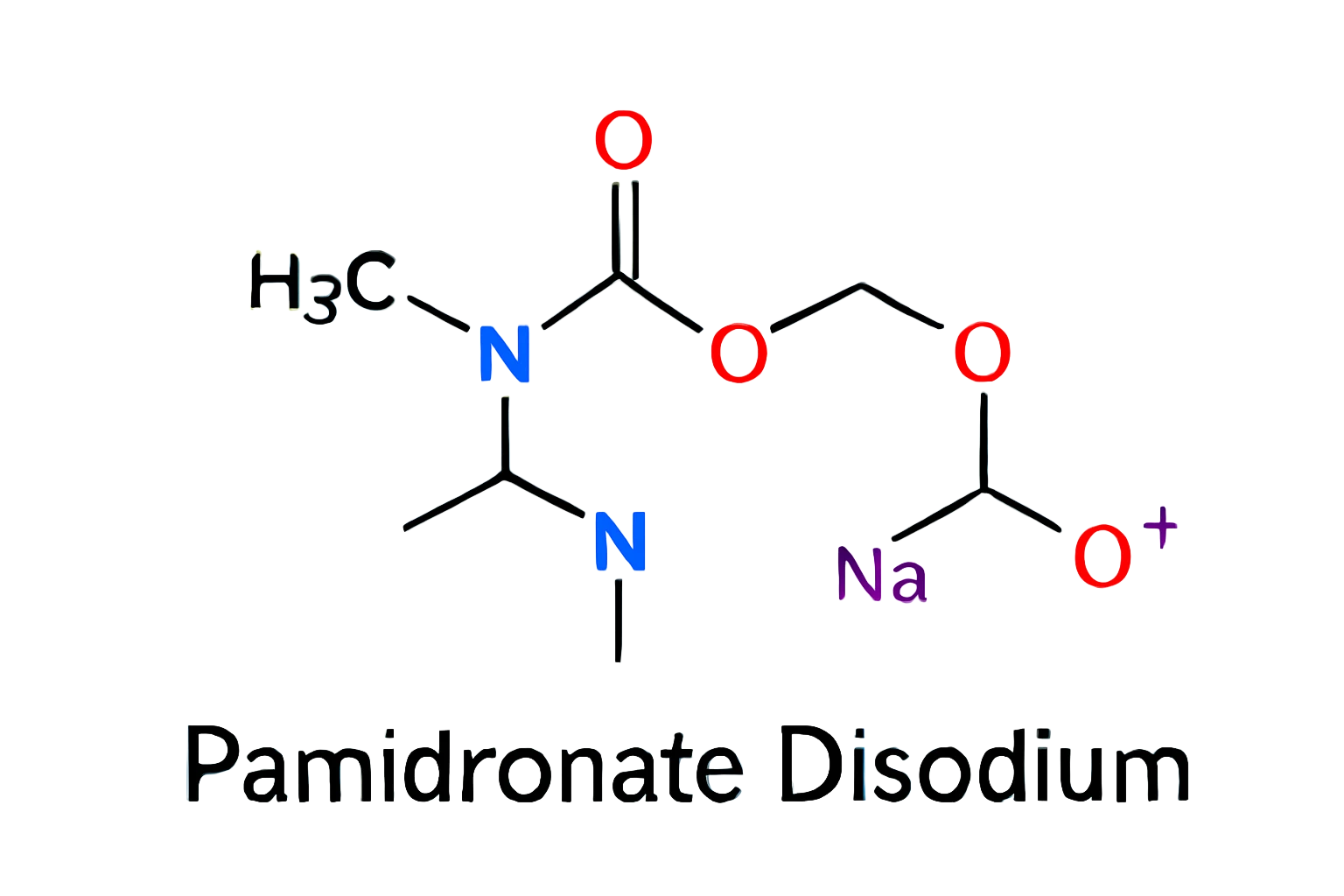
Pamidronate Disodium is a high-purity bisphosphonate reagent designed for in vitro mechanistic studies. It enables research into bone-related biochemical pathways, protein-ligand interactions, and molecular signaling mechanisms under controlled laboratory conditions. Supplied in a laboratory-ready format, it is ideal for mechanistic assays and protein interaction studies. Original price was: $6.00.$2.00Current price is: $2.00.Limertinib (ASK120067) 80mg — Laboratory Research Grade Chemical
Limertinib is a high-purity, irreversible small-molecule inhibitor that selectively targets mutant EGFR in vitro. Designed specifically for laboratory research, it is ideal for investigating signal transduction, kinase activity, and receptor molecular mechanisms in cell-free or in vitro systems. This compound is suitable for mechanistic studies, target validation, and enzymatic assays. Original price was: $3.00.$2.00Current price is: $2.00.




Reviews
There are no reviews yet.