
No products in the cart.
Sale
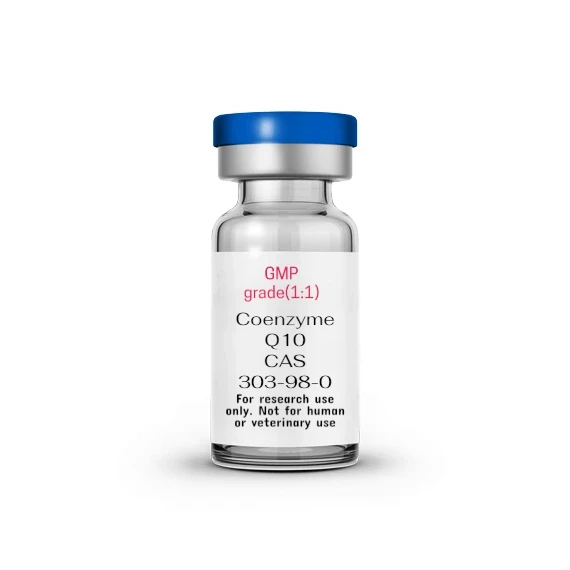

Coenzyme Q10 | CAS 303-98-0 | Endogenous Antioxidant for Mitochondrial Function and Oxidative Stress Research
Original price was: $6.00.$2.00Current price is: $2.00.
Coenzyme Q10 (CoQ10) is a lipid-soluble, endogenous antioxidant that plays a critical role in mitochondrial electron transport and cellular energy production. Widely used in preclinical research, it enables studies on oxidative stress, mitochondrial function, and redox biology.

Description
Product Description
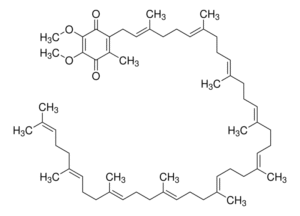
Coenzyme Q10 (CAS 303-98-0), also known as ubiquinone, is a naturally occurring lipid-soluble molecule localized in mitochondrial membranes. It functions as an essential component of the electron transport chain, facilitating ATP synthesis by transferring electrons between complexes I/II and III.
As a powerful antioxidant, CoQ10 protects cellular membranes, lipids, proteins, and DNA from oxidative damage by scavenging reactive oxygen species (ROS). In preclinical research, CoQ10 is used to study mechanisms of oxidative stress, mitochondrial dysfunction, and redox signaling pathways in cells and tissues.
Applications in laboratory research include:
Assessing mitochondrial bioenergetics and ATP production in cell models.
Investigating oxidative stress response and antioxidant defense mechanisms.
Evaluating mitochondrial-targeted therapies in disease models.
Studying lipid peroxidation, ROS generation, and redox homeostasis.
Exploring interactions with co-factors and enzymes involved in electron transport.
Coenzyme Q10 is supplied as a white to pale yellow crystalline powder with ≥99% purity, stable under refrigerated conditions (2–8 °C), and soluble in ethanol, DMSO, and oils. Each batch is verified via HPLC, UV-Vis spectroscopy, and NMR to ensure high purity and batch consistency.
Its dual role as a mitochondrial cofactor and antioxidant makes CoQ10 indispensable for mechanistic studies in energy metabolism, oxidative stress research, and mitochondrial biology. Researchers can use it to model conditions of mitochondrial dysfunction, evaluate protective strategies against ROS, and study redox-sensitive cellular signaling.
Product Specifications
| Parameter | Specification / Data |
|---|---|
| Chemical Name / Synonyms | Coenzyme Q10; Ubiquinone; Ubidecarenone; Vitamin Q10 |
| CAS Number | 303-98-0 |
| Molecular Formula | C59H90O4 |
| Molecular Weight | 863.36 g/mol |
| Purity / Assay | ≥99% |
| Appearance | White to pale yellow crystalline powder |
| Solubility | Soluble in ethanol, DMSO, and oils |
| Storage Temperature | 2–8 °C |
| Analytical Methods | HPLC, UV-Vis spectroscopy, NMR verified |
| Mechanistic Target | Mitochondrial electron transport chain, antioxidant activity |
| Structural Category | Lipid-soluble endogenous quinone |
| Applications | Mitochondrial bioenergetics research, oxidative stress studies, redox biology |
| Batch Consistency | Verified by HPLC, UV-Vis, NMR |
| Origin | Factory peptide and small molecule supplier, China peptide manufacturer, OEM & bulk production available |
Mechanism of Action
Coenzyme Q10 (CoQ10) functions as a key component of the mitochondrial electron transport chain, shuttling electrons between complexes I/II and III to support ATP synthesis.
Additionally, CoQ10 serves as a lipid-soluble antioxidant, protecting mitochondrial and cellular membranes, lipoproteins, proteins, and DNA from oxidative damage by neutralizing reactive oxygen species (ROS). In preclinical research, it is used to study mitochondrial bioenergetics, oxidative stress responses, and redox signaling pathways.
By modulating mitochondrial function and antioxidant defense, CoQ10 helps researchers investigate:
Cellular energy metabolism and ATP production.
Mechanisms of oxidative damage and antioxidant protection.
Redox-sensitive signaling cascades and stress responses.
Interactions between mitochondrial co-factors and electron transport enzymes.

Side Effects
For laboratory use, handle Coenzyme Q10 with standard safety precautions:
Avoid ingestion, inhalation, and skin or eye contact.
Wear gloves, lab coat, and protective eyewear.
Conduct experiments in a well-ventilated area or fume hood.
Dispose of any waste according to institutional safety guidelines.
Experimental effects may include modulation of cellular energy production, ROS levels, or mitochondrial function. This product is strictly for research use only.
Keywords
Coenzyme Q10, CAS 303-98-0, ubiquinone, endogenous antioxidant, mitochondrial research, oxidative stress studies, redox biology, bioenergetics, high purity, ≥99% purity, factory peptide supplier, peptide wholesale China, China peptide manufacturer, OEM & bulk peptide production.
Shipping Guarantee
All shipments are managed with validated cold-chain logistics to maintain compound stability. Lyophilized powder is sealed in moisture-proof, light-protected containers with secondary protective wrapping. Packages include tracking and insurance for safe delivery worldwide.
Trade Assurance
Product authenticity is guaranteed, verified via HPLC, UV-Vis spectroscopy, and NMR. Each batch includes a Certificate of Analysis (CoA) confirming ≥99% purity. Replacement or refund is provided for any deviation from listed specifications.
Payment Support
Accepted payment methods include PayPal, major credit cards (Visa, MasterCard, American Express), telegraphic transfer (T/T), and cryptocurrencies (USDT, Bitcoin, Ethereum). Transactions are encrypted and verified for security.
Disclaimer
This product is intended for laboratory research use only. It is not for human or veterinary administration. Researchers must follow proper safety protocols. Data obtained with CoQ10 should not be interpreted as clinical guidance or therapeutic advice.
References
ChEMBL Database: Coenzyme Q10 Bioactivity Summary (ChEMBL ID CHEMBL89)
PubMed ID 19298764 – Coenzyme Q10 in mitochondrial bioenergetics and oxidative stress
IUPHAR/BPS Guide to Pharmacology: Coenzyme Q10 target profile

Additional information
| Weight | 1.1 kg |
|---|---|
| Dimensions | 18 × 16 × 18 cm |
Q1: What is Coenzyme Q10 used for in research?
A1: It is used to study mitochondrial bioenergetics, oxidative stress, redox signaling, and antioxidant mechanisms in preclinical models.
Q2: What is the purity of Coenzyme Q10?
A2: ≥99%. High purity ensures reproducibility in mitochondrial and oxidative stress studies.
Q3: Can CoQ10 be used in in vivo studies?
A3: Yes, it is suitable for cell culture and animal studies to evaluate mitochondrial function and ROS modulation.
Q4: How should CoQ10 be stored?
A4: Store at 2–8 °C in tightly sealed, moisture-proof, light-protected containers.
Q5: What are common synonyms for Coenzyme Q10?
A5: Ubiquinone, Ubidecarenone, Vitamin Q10.
Q6: Is OEM & bulk production available?
A6: Yes, with CoA certification, high-purity verification, and cold-chain shipping.
Q7: How is CoQ10 verified analytically?
A7: Using HPLC, UV-Vis spectroscopy, and NMR for purity, identity, and batch consistency.
Q8: Can CoQ10 be combined with other compounds in research?
A8: Yes, it is often combined with antioxidants, mitochondrial modulators, or metabolic substrates to study synergistic effects.
Q9: What laboratory safety precautions are recommended?
A9: Gloves, lab coat, and eye protection; avoid ingestion or inhalation; follow institutional disposal protocols.
Q10: Can CoQ10 be purchased from peptide wholesale China suppliers?
A10: Yes, ensure the supplier provides CoA, high-purity verification, and secure cold-chain shipping.
Q11: What makes a factory peptide supplier reliable?
A11: Verified ≥99% purity, CoA documentation, batch-to-batch consistency, and cold-chain delivery.
Q12: Beyond mitochondrial studies, what research applications exist?
A12: Redox biology, oxidative stress response, lipid peroxidation studies, and mitochondrial-targeted therapeutic evaluation.
Q13: How does CoQ10 function as an antioxidant?
A13: It neutralizes reactive oxygen species (ROS) and regenerates other cellular antioxidants like vitamin E.
Q14: How is mitochondrial function assessed with CoQ10?
A14: By measuring ATP production, membrane potential, oxygen consumption, and ROS levels in cells or tissues.
Q15: How does trade assurance protect CoQ10 orders?
A15: Guarantees CoA verification, cold-chain shipping, insurance, and replacement/refund for quality deviations.
Related products
Granisetron Hydrochloride Dispersible 1mg
High-purity Granisetron Hydrochloride Dispersible is a factory-manufactured research reagent optimized for in vitro receptor binding studies, 5-HT3 receptor mechanistic analysis, and molecular signaling research. Available for bulk and wholesale laboratory use with batch-verified purity and reproducible performance. $1.00Pirtobrutinib 100mg | High purity | Factory manufactured
Pirtobrutinib is a high-purity small-molecule research compound, factory manufactured and supplied at low-price wholesale scale, specifically developed for in vitro biochemical assays, molecular interaction analysis, and signaling pathway investigations. This product is intended exclusively for laboratory research use. $2.00Rilertinib Mesylate 100mg – High Purity | Factory Manufactured | For laboratory use only
High-purity Rilertinib Mesylate, manufactured under controlled factory conditions for in vitro pathway analysis, receptor-binding studies, and molecular mechanism research. Available in bulk and wholesale quantities with consistent batch quality and secure global shipping. $1.00Pamidronate Disodium solution 15mg — Laboratory Research Grade Reagent
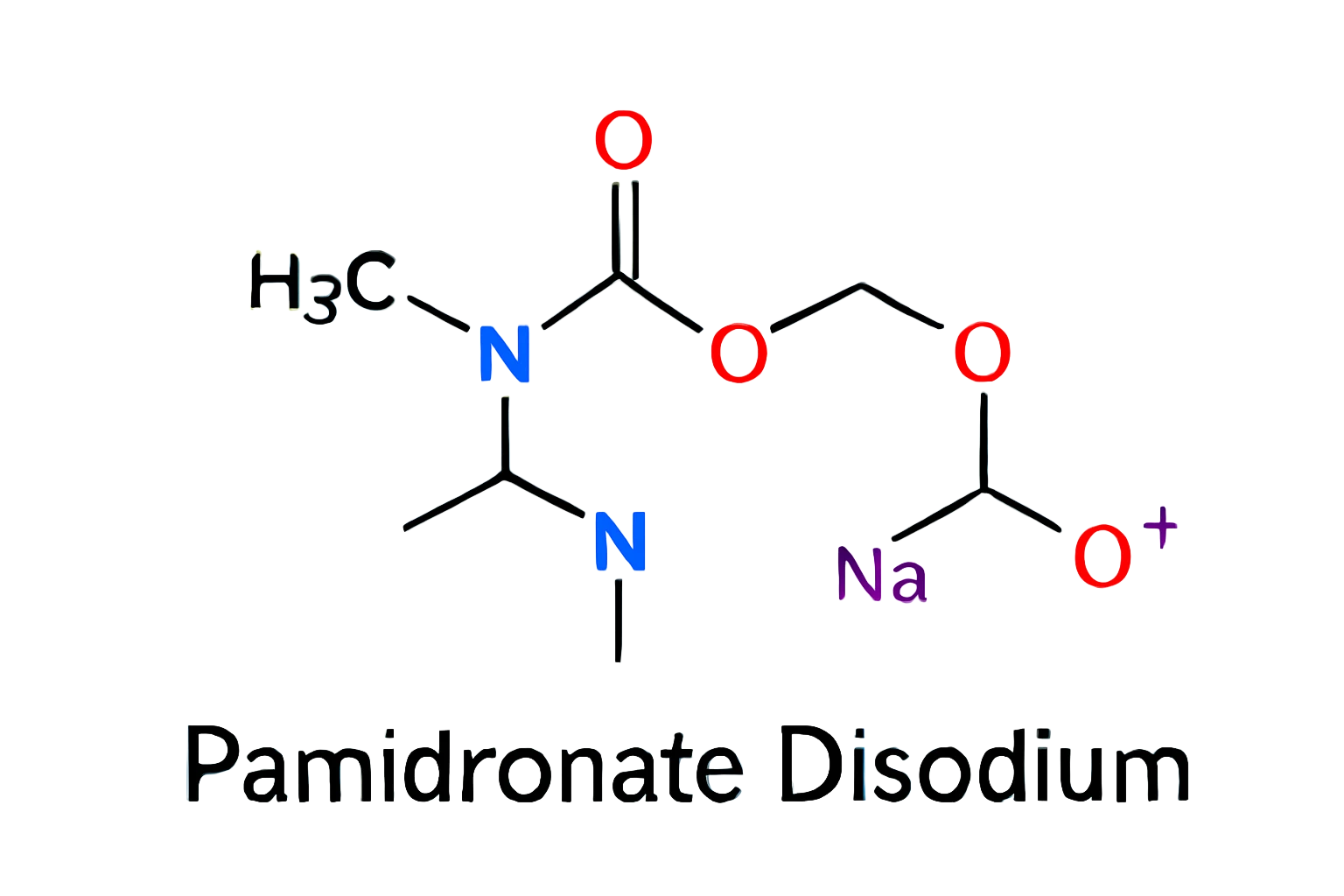
Pamidronate Disodium is a high-purity bisphosphonate reagent designed for in vitro mechanistic studies. It enables research into bone-related biochemical pathways, protein-ligand interactions, and molecular signaling mechanisms under controlled laboratory conditions. Supplied in a laboratory-ready format, it is ideal for mechanistic assays and protein interaction studies. Original price was: $6.00.$2.00Current price is: $2.00.


Reviews
There are no reviews yet.