
No products in the cart.
Sale
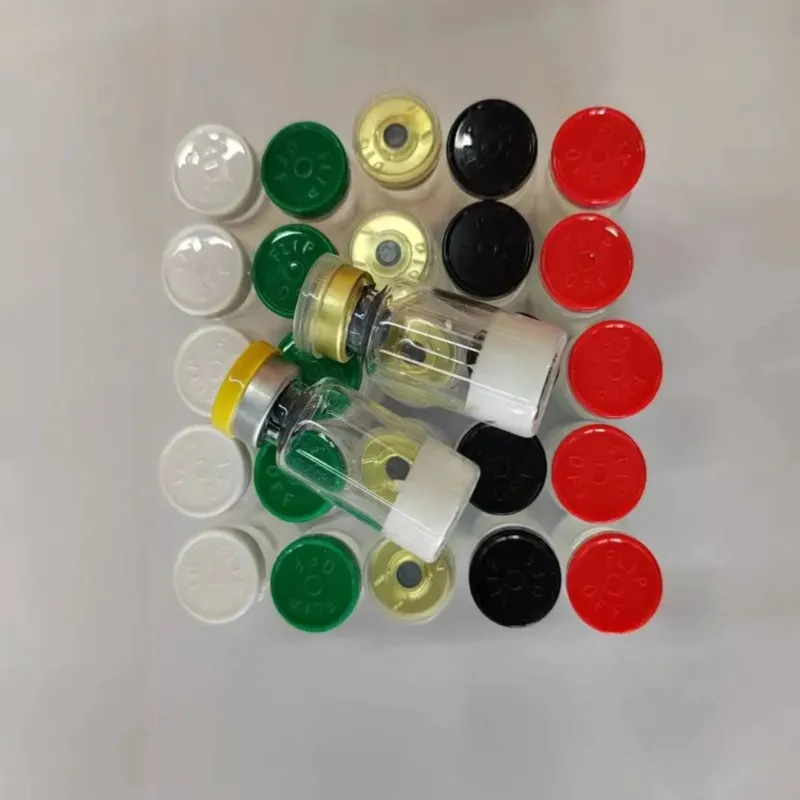
Group A Streptococcus Injection | Immunomodulatory and Antibacterial Research Agent
Original price was: $3.00.$2.00Current price is: $2.00.
Group A Streptococcus Injection is a research-grade bacterial preparation derived from Streptococcus pyogenes. It is primarily utilized for immunomodulatory studies, antibacterial research, and the investigation of host-pathogen interactions. This preparation enables controlled in vitro and in vivo studies of bacterial virulence, immune response modulation, and vaccine development.

Description
Contents
hide
Product Description
Group A Streptococcus (GAS) Injection is a laboratory research tool derived from Streptococcus pyogenes, a gram-positive, β-hemolytic bacterium known for its role in human disease and immune modulation. This bacterial preparation is designed to support high-quality research into host-pathogen interactions, innate and adaptive immune responses, and the development of novel immunotherapies and vaccines.
The product is supplied as a sterile, lyophilized preparation that can be reconstituted for in vitro cell culture experiments or in vivo animal models. GAS produces a variety of virulence factors, including M proteins, streptolysins, and exotoxins, which allow researchers to investigate mechanisms of pathogenicity and immune evasion.
Research studies using GAS Injection have demonstrated its ability to modulate cytokine production, activate dendritic cells, and stimulate T and B lymphocyte responses. These features make it a valuable model for studying bacterial infection mechanisms and for screening potential antimicrobial agents or immunomodulatory compounds.
This preparation supports reproducible research by providing standardized bacterial material with controlled concentration, ensuring that experimental variability is minimized. The sterile, high-purity formulation is compatible with diverse experimental designs, including immunocytochemistry, flow cytometry, gene expression profiling, and animal infection models.
GAS Injection has been extensively employed in preclinical research to study:
Pathogen-induced inflammation and immune activation;
Mechanisms of bacterial adhesion, invasion, and toxin production;
Vaccine efficacy and adjuvant testing;
Host susceptibility and genetic factors influencing infection outcomes.
Its laboratory-grade standard ensures that researchers can perform experiments with reliable and consistent material, enabling accurate interpretation of immune responses and antibacterial effects.
Product Specifications
| Item | Details |
|---|---|
| Product Name | Group A Streptococcus Injection |
| CAS Number | N/A |
| Synonyms | GAS Injection, Streptococcus pyogenes Injection |
| Biological Type | Gram-positive β-hemolytic bacterium |
| Purity | Laboratory-grade, standardized bacterial preparation |
| Appearance | Lyophilized powder or sterile suspension |
| Reconstitution | Reconstitute with sterile PBS or appropriate medium |
| Storage Temperature | -20°C for lyophilized; 2–8°C for short-term suspension |
| Category | Bacterial research reagent |
| Applications | Immunomodulatory research, host-pathogen studies, antibacterial assays, vaccine development |
| Formulation | Lyophilized powder or sterile injectable suspension |
| Stability | Stable under recommended storage conditions |
| Shelf Life | 12 months lyophilized; 1–2 weeks in suspension at 2–8°C |
| Supplier Type | Factory biological reagent supplier |
| Intended Use | For laboratory research use only |
Mechanism of Action
Group A Streptococcus Injection functions as a model pathogen to study immune activation, host-pathogen interactions, and antibacterial effects in preclinical research. Its mechanisms of action can be summarized as follows:
1. Host Immune Activation
GAS expresses multiple pathogen-associated molecular patterns (PAMPs) recognized by Toll-like receptors (TLRs) on immune cells. Binding to TLR2 and TLR4 activates downstream NF-κB signaling pathways, resulting in cytokine and chemokine production. This facilitates the recruitment of neutrophils, macrophages, and dendritic cells to the site of infection in experimental models.
2. Modulation of Adaptive Immunity
Group A Streptococcus The M protein and other surface antigens stimulate antigen-presenting cells, leading to T-cell activation and B-cell differentiation. GAS Injection research enables the study of antibody-mediated neutralization, T-helper cell polarization, and long-term memory response development.
3. Cytotoxic and Virulence Factors
Streptolysins (O and S) and other exotoxins produced by GAS can lyse host cells in vitro, allowing researchers to analyze host cell susceptibility, bacterial cytotoxicity, and tissue damage mechanisms. These factors are instrumental in evaluating therapeutic or vaccine efficacy against GAS-induced damage.
4. Inflammatory Response Modulation
GAS Injection induces pro-inflammatory mediators, including IL-1β, IL-6, TNF-α, and interferons. Controlled exposure in cell cultures or animal models helps researchers investigate inflammatory signaling, cytokine storms, and therapeutic modulation strategies.
5. Pathogen-Host Interaction Studies
Group A Streptococcus GAS interacts with extracellular matrix proteins (fibronectin, fibrinogen) via adhesins, allowing studies on bacterial adhesion, invasion, and immune evasion. Researchers can evaluate intervention strategies such as small-molecule inhibitors, monoclonal antibodies, or immunomodulatory peptides.
Side Effects
In laboratory models, GAS Injection is strictly intended for controlled research use. Handling must follow biosafety level 2 (BSL-2) guidelines. Potential risks include:
Cytotoxic effects in vitro at high concentrations;
Immune overactivation leading to systemic inflammation in animal models;
Cross-contamination if aseptic techniques are not observed.
Proper protective equipment (PPE), sterile handling, and adherence to institutional biosafety protocols are mandatory. GAS Injection is not for human or veterinary therapeutic use.
Keywords
Group A Streptococcus Injection, Streptococcus pyogenes research, immunomodulatory agent, bacterial virulence, host-pathogen studies, vaccine research, antibacterial assays, factory biological reagent supplier, high-purity bacterial preparation
Shipping Guarantee
All Group A Streptococcus shipments are handled using validated cold-chain logistics to preserve bacterial integrity. Each package is sealed in moisture-proof containers with secondary protective wrapping and continuous temperature monitoring. Products are shipped via express international couriers with full tracking and insurance coverage.
Trade Assurance
We Group A Streptococcus ensure product authenticity, verified laboratory-grade purity, and compliance with analytical standards. Each batch is supplied with a Certificate of Analysis (CoA). Our trade assurance policy guarantees replacement or refund for any deviation from listed specifications.
Payment Support
We Group A Streptococcus provide flexible and secure global payment options to support international research transactions. Accepted payment methods include PayPal, major credit cards (Visa, MasterCard, American Express), telegraphic transfer (T/T), and cryptocurrencies (USDT, Bitcoin, Ethereum). All transactions are protected by industry-standard encryption and verified payment gateways to ensure confidentiality and fund security.
Disclaimer
All Group A Streptococcus products listed are intended for laboratory research use only and not for human or veterinary use. They are not drugs, medical devices, or diagnostics and should not be administered to humans or animals. Researchers must handle all materials in accordance with institutional biosafety and chemical safety guidelines. The information provided is for scientific reference only and does not imply therapeutic efficacy, safety, or regulatory approval.

Additional information
| Weight | 1 kg |
|---|---|
| Dimensions | 18 × 16 × 18 cm |
1. What is Group A Streptococcus Injection used for?
It is used for immunomodulatory research, antibacterial studies, and host-pathogen interaction experiments.
2. Is this preparation safe for human use?
No, it is strictly for laboratory research use under BSL-2 conditions.
3. How should the injection be stored?
Lyophilized forms should be stored at -20°C; reconstituted suspensions should be kept at 2–8°C and used within 1–2 weeks.
4. Can this product be used for vaccine research?
Yes, it is commonly used in preclinical vaccine development studies.
5. What biosafety level is required?
BSL-2 practices are required for handling this product.
6. How is the product supplied?
As lyophilized powder or sterile injectable suspension with standardized bacterial content.
7. Does it contain live bacteria?
Yes, inactivated or attenuated forms are available; verify batch specifications.
8. Can it be used for in vivo studies?
Yes, in animal models with appropriate ethical approvals and biosafety compliance.
9. What type of immune responses can be studied?
Innate immune activation, adaptive T-cell and B-cell responses, cytokine profiles, and inflammatory signaling.
10. Is there a Certificate of Analysis provided?
Yes, each batch includes a CoA confirming laboratory-grade quality.
11. Can this product be used in combination with other immunomodulators?
Yes, researchers can study synergistic or antagonistic effects with other compounds.
12. What is the recommended reconstitution medium?
Sterile PBS or cell culture medium as appropriate for the experiment.
13. How long is the shelf life?
12 months for lyophilized material; 1–2 weeks for suspensions at 2–8°C.
14. Who manufactures this product?
It is produced by a certified factory-grade biological reagent supplier.
15. What experimental techniques are compatible?
Flow cytometry, immunocytochemistry, ELISA, gene expression profiling, and in vivo infection models.
Related products
Cetuximab NO1 100 mg/50 mL | High purity | Factory manufactured
Cetuximab NO1 (100 mg/50 mL, Solution) is a high-purity monoclonal antibody solution manufactured under stringent factory-controlled conditions for in vitro laboratory research and molecular mechanism studies. Its solution format facilitates precise dosing, reproducible assay preparation, and integration into receptor-binding and signaling pathway research workflows.
Original price was: $3.00.$2.00Current price is: $2.00.Rilertinib Mesylate 100mg – High Purity | Factory Manufactured | For laboratory use only
High-purity Rilertinib Mesylate, manufactured under controlled factory conditions for in vitro pathway analysis, receptor-binding studies, and molecular mechanism research. Available in bulk and wholesale quantities with consistent batch quality and secure global shipping. $1.00Palbociclib 125 mg capsule
Palbociclib is a high-purity small-molecule CDK4/6 inhibitor supplied at 125 mg per vial, specifically formulated for laboratory research and in vitro mechanistic studies. Produced via factory-controlled processes, it ensures high reproducibility and consistent performance for protein interaction assays, signaling pathway analysis, and molecular mechanism research. Strictly for research use only.
$2.00Aprepitant 80mg | 99% High Purity | Laboratory Research Use Only
High-purity Aprepitant, factory-manufactured for in vitro mechanistic studies and molecular pathway research. Supplied as a stable powder for laboratories requiring bulk, wholesale, or customized research-grade supply. $1.00




Reviews
There are no reviews yet.