
No products in the cart.
Sale

Sodium Cantharidinate + Vitamin B6 | Immune-Regulating Compound Combination for Antitumor Research
Original price was: $3.00.$2.00Current price is: $2.00.
Sodium Cantharidinate combined with Vitamin B6 is a pharmacological research compound used to study antitumor, immune-modulatory, and hepatoprotective mechanisms. The synergistic combination has been widely applied in the research of cancer cell apoptosis, liver protection, and immune regulation.

Description
Product Description
Sodium Cantharidinate + Vitamin B6 is a dual-component research formulation combining the immunomodulatory effects of Sodium Cantharidinate with the metabolic and neurological support of Vitamin B6 (Pyridoxine). This combination has gained significant attention in preclinical pharmacological research for its synergistic biological properties, including antitumor, hepatoprotective, and immunoregulatory activities.
1. Overview and Background
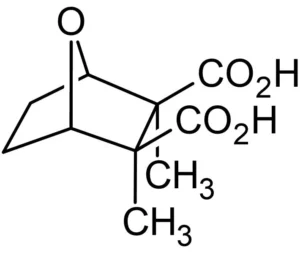
Sodium Cantharidinate, a derivative of cantharidin, is a semi-synthetic compound developed to retain the anticancer potency of its natural parent while reducing its inherent toxicity. It exhibits broad-spectrum cytotoxic effects across a variety of cancer cell lines, particularly through the inhibition of protein phosphatase 2A (PP2A) and induction of apoptosis.
Vitamin B6, a water-soluble vitamin essential in amino acid metabolism and neurotransmitter synthesis, also plays a critical role in supporting the immune system and maintaining cellular homeostasis. When combined, these two agents create a biochemical synergy that enhances cellular repair and immune regulation, providing a valuable model for investigating combinatory antitumor strategies in research settings.
2. Pharmacological Significance
This compound combination is widely utilized in experimental oncology for understanding the complex interactions between metabolic cofactors and cytotoxic agents. Vitamin B6 enhances the tolerability of Sodium Cantharidinate, potentially modulating its toxicity profile and contributing to better cellular resilience during stress-induced apoptosis.
Additionally, Sodium Cantharidinate’s anti-inflammatory and hepatoprotective properties make it suitable for studies on liver injury repair, immune enhancement, and inflammation modulation.
Researchers use this combination to explore pathways involved in oxidative stress, immune checkpoint regulation, mitochondrial damage, and cytokine expression in tumor microenvironments.
3. Research Applications
Cancer Research: Investigating apoptosis, tumor growth suppression, and immune enhancement.
Immunopharmacology: Studying T-cell activation, macrophage modulation, and cytokine signaling.
Liver Protection Studies: Exploring hepatocyte regeneration and antioxidant responses.
Toxicology Models: Evaluating cytoprotective roles of Vitamin B6 in mitigating drug-induced damage.
Inflammatory Research: Assessing anti-inflammatory signaling pathways such as NF-κB inhibition.
Together, Sodium Cantharidinate + Vitamin B6 provides an experimental framework for studying metabolic-immune crosstalk in oncological and hepatoprotective settings.
Product Specifications
| Item | Description |
|---|---|
| Product Name | Sodium Cantharidinate + Vitamin B6 |
| CAS Number | — |
| Molecular Formula | Mixture |
| Molecular Weight | — |
| Appearance | White to off-white crystalline powder |
| Purity | ≥99% |
| Storage | Store at 2–8°C, protected from light and moisture |
| Solubility | Soluble in water, slightly soluble in ethanol |
| Synonyms | Cantharidinate sodium and Pyridoxine combination |
| Category | Immunomodulator and cytotoxicity model compound |
| Applications | Antitumor mechanism studies, liver protection, immune modulation |
| Research Area | Oncology, Immunology, Pharmacology |
| Supplier Type | Research compound manufacturer |
| Language | English |
| Intended Use | For laboratory research use only |
Mechanism of Action
Sodium Cantharidinate + Vitamin B6 exerts its biological influence through multi-target pathways that involve both immune and metabolic regulation.
1. Sodium Cantharidinate Component
Sodium Cantharidinate acts as a potent inhibitor of protein phosphatase 2A (PP2A) — a serine/threonine phosphatase crucial for cell cycle regulation. Inhibition of PP2A leads to the accumulation of phosphorylated proteins, resulting in cell cycle arrest at the G2/M phase and induction of apoptosis through mitochondrial signaling.
Furthermore, Sodium Cantharidinate increases intracellular ROS levels and triggers the intrinsic apoptotic pathway by activating caspase-9 and caspase-3, leading to DNA fragmentation and programmed cell death.
Researchers also explore its ability to regulate NF-κB and PI3K/AKT/mTOR pathways, both of which play key roles in tumor proliferation and immune evasion.
2. Vitamin B6 Component
Vitamin B6 acts as a metabolic coenzyme in more than 100 enzymatic reactions, particularly those related to amino acid metabolism and neurotransmitter synthesis. It supports redox balance by contributing to glutathione synthesis and reducing oxidative stress in cellular environments.
In experimental setups, Vitamin B6 enhances the tolerability and stability of Sodium Cantharidinate by minimizing cytotoxic oxidative damage, thereby maintaining mitochondrial function. It also regulates the biosynthesis of immune mediators, including IL-2, IL-10, and TNF-α, providing immune-supportive effects within the combined formulation.
3. Synergistic Mechanisms
When administered in combination, Sodium Cantharidinate and Vitamin B6 demonstrate synergistic cytotoxic and immunomodulatory activity. The former induces apoptosis and oxidative stress in tumor cells, while the latter supports cellular repair and antioxidant defense in non-tumor tissues.
This complementary action results in a unique balance between cytotoxic efficiency and physiological tolerance, making it an ideal system for studying combination-based antitumor strategies.
Mechanistic highlights include:
Enhanced mitochondrial apoptosis signaling
Improved antioxidant capacity via Vitamin B6-dependent enzymes
Regulation of immune cell activation
Reduced systemic oxidative injury

Side Effects
While Sodium Cantharidinate + Vitamin B6 is intended solely for laboratory research, various studies report biological side effects that contribute to its mechanistic profile.
1. Cellular Toxicity
High concentrations of Sodium Cantharidinate may cause membrane instability, mitochondrial depolarization, and oxidative injury in rapidly dividing cells. Researchers often utilize these effects to model drug-induced cytotoxicity and apoptosis in vitro.
Vitamin B6 supplementation partially mitigates these adverse reactions, reducing oxidative stress markers such as malondialdehyde (MDA) and restoring antioxidant enzyme levels like superoxide dismutase (SOD) and glutathione peroxidase (GSH-Px).
2. Organ-Specific Effects
Preclinical studies suggest that excessive exposure to Sodium Cantharidinate may affect hepatic or renal enzyme levels. Therefore, in research settings, it serves as an effective model for studying drug metabolism, hepatotoxicity, and antioxidant recovery.
3. Safety and Handling
This compound combination should be handled in a controlled laboratory environment. Researchers should use gloves, masks, and appropriate biosafety containment. It should not be administered to humans or animals outside regulated research contexts.
Keywords
Sodium Cantharidinate, Vitamin B6, immune modulation, apoptosis, antitumor compound, liver protection, oxidative stress, pharmacological model, cytotoxicity assay, high purity, OEM peptide production, China factory peptide supplier, bulk peptide manufacturer, lab-grade compound.
Shipping Guarantee
All shipments are handled using validated cold-chain logistics to preserve compound integrity. Each package is sealed in moisture-proof containers with secondary protective wrapping and continuous temperature monitoring. Products are shipped via express international couriers with full tracking and insurance coverage.
Trade Assurance
We ensure product authenticity, verified ≥99% purity, and compliance with analytical standards (HPLC, MS, and NMR). Each batch is supplied with a Certificate of Analysis (CoA). Our trade assurance policy guarantees replacement or refund for any deviation from listed specifications.
Payment Support
We provide flexible and secure global payment options to support international research transactions. Accepted payment methods include PayPal, major credit cards (Visa, MasterCard, American Express), telegraphic transfer (T/T), and cryptocurrencies (USDT, Bitcoin, Ethereum). All transactions are protected by industry-standard encryption and verified payment gateways to ensure confidentiality and fund security.
Disclaimer
This product is intended for laboratory research use only. It is not approved for human or veterinary use, nor for diagnostic or therapeutic applications. Researchers must follow institutional safety and ethical guidelines when handling or disposing of this compound.
Additional information
| Weight | 1.1 kg |
|---|---|
| Dimensions | 18 × 16 × 18 cm |
Q1: What is Sodium Cantharidinate + Vitamin B6 used for in research?
A1: It is used to study antitumor, hepatoprotective, and immune-modulating mechanisms.
Q2: What is the purity of this compound?
A2: The product is ≥99% pure, confirmed by HPLC and MS.
Q3: Can I use this product for cell-based experiments?
A3: Yes, it is suitable for in vitro studies involving apoptosis and oxidative stress.
Q4: Does Vitamin B6 affect Sodium Cantharidinate’s cytotoxicity?
A4: Yes, it helps modulate oxidative stress and improves cellular tolerance.
Q5: What are the key research areas?
A5: Oncology, Immunopharmacology, and Hepatoprotection.
Q6: How should it be stored?
A6: Store at 2–8°C, protected from light and moisture.
Q7: Is this available in bulk or OEM form?
A7: Yes, OEM and bulk production options are available.
Q8: Do you provide CoA and MSDS?
A8: Yes, both are supplied with every batch.
Q9: What solvent is suitable for dissolution?
A9: It is soluble in water and DMSO.
Q10: Is this a high-purity grade compound?
A10: Yes, it meets ≥99% purity analytical standards.
Q11: How is it shipped internationally?
A11: Using cold-chain express logistics with full tracking.
Q12: What’s the typical lead time?
A12: Usually 3–5 working days after order confirmation.
Q13: Can this be used for immune modulation assays?
A13: Yes, it’s ideal for studying cytokine and immune cell regulation.
Q14: Do you offer academic discounts?
A14: Yes, special pricing is available for universities and research institutes.
Q15: Is this product for human use?
A15: No, it is strictly for laboratory research use only.
Related products
Lenalidomide 25mg High Purity | Factory Manufactured
High-purity Lenalidomide Tablets designed for laboratory research, in vitro mechanistic studies, and multi-omic pathway analysis. Factory-manufactured with consistent quality for bulk and wholesale supply, these tablets provide reliable receptor-modulation and molecular mechanism research capabilities. Original price was: $3.00.$2.00Current price is: $2.00.Clodronate Disodium 10 pills | High purity | Factory manufactured
Clodronate Disodium is a high-purity laboratory research compound supplied by factory manufacturing at low-price wholesale scale. It is designed for in vitro molecular mechanism studies, biochemical assays, and signaling pathway investigations, ensuring consistent and reproducible experimental results. Strictly for laboratory research use. Original price was: $6.00.$2.00Current price is: $2.00.Doxorubicin Liposome Solution for scientific research
High-purity Doxorubicin Liposome Solution, factory-manufactured for in vitro molecular mechanism studies and biochemical pathway research. Supplied as a stable liposomal solution, ideal for laboratories requiring bulk, wholesale, or customized research-grade supply. Original price was: $10.00.$8.00Current price is: $8.00.Regorafenib 40mg | High Purity | Factory Manufactured | Laboratory Research Use Only
High-purity Regorafenib, factory-manufactured for in vitro mechanistic studies and molecular pathway research. Supplied as a stable solution or powder for laboratories requiring bulk, wholesale, or customized research-grade supply. Original price was: $3.00.$2.00Current price is: $2.00.


Reviews
There are no reviews yet.