
No products in the cart.
Sale
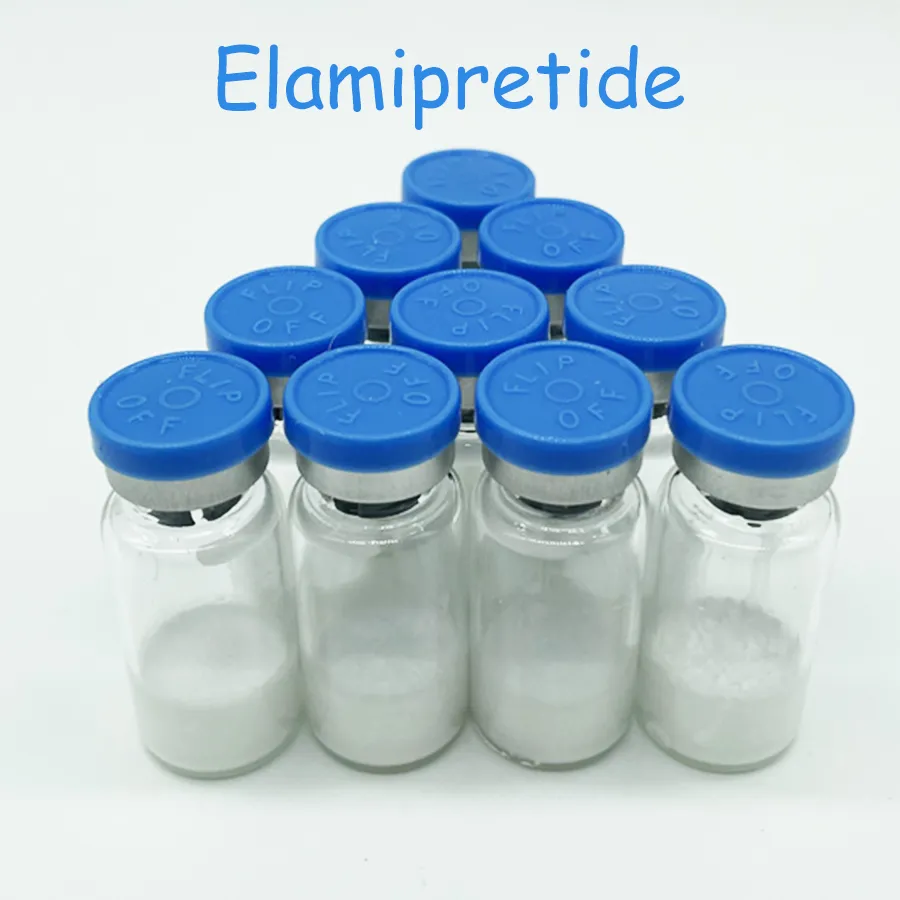
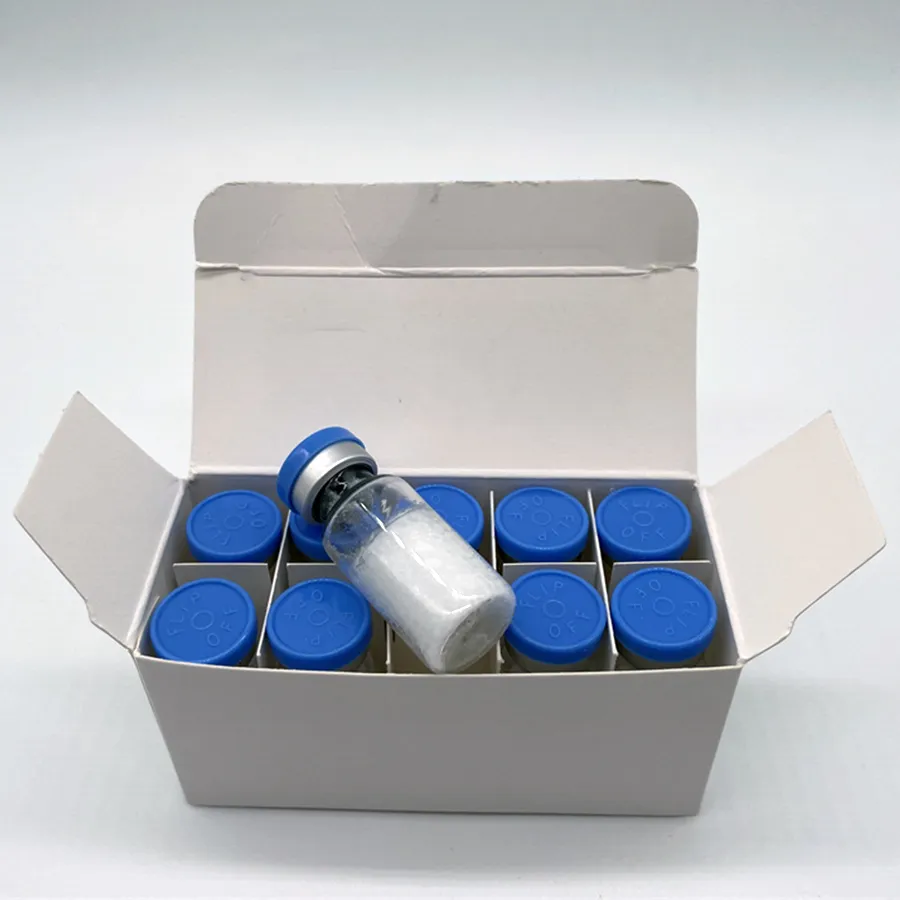


Elamipretide 10-50mg – Purity 99.04%
Original price was: $18.00.$12.00Current price is: $12.00.
Elamipretide (SS-31) is a high-purity, research-grade synthetic peptide supplied for in vitro mitochondrial mechanism studies, peptide–membrane interaction analysis, and molecular bioenergetics research. Manufactured under strict quality systems, this product is available for bulk and customized laboratory supply directly from a factory-based Chinese supplier.

Description
Contents
hide
Product Description
Elamipretide is a synthetic, short-sequence peptide extensively utilized in molecular and cellular research focusing on mitochondrial membrane dynamics, peptide–lipid interactions, and bioenergetic signaling pathways under controlled in vitro conditions. From a research perspective, Elamipretide serves as a model peptide for investigating how targeted amino acid sequences interact with specific phospholipid environments and influence molecular organization at the membrane level.
In laboratory settings, Elamipretide is commonly incorporated into experimental systems designed to explore mitochondrial-associated mechanisms without extending into organism-level interpretation. Its defined structure and reproducible synthesis make Elamipretide particularly suitable for comparative peptide studies, including analog evaluation, structure–function analysis, and mechanistic probing of peptide–membrane affinity.
As a research reagent, Elamipretide supports investigations into peptide-mediated modulation of membrane stability, redox-associated molecular events, and protein–lipid interface behavior. These studies are typically conducted using isolated mitochondrial fractions, artificial membrane systems, or cell-based platforms that allow precise environmental control. Such approaches enable researchers to focus on fundamental molecular interactions rather than downstream physiological interpretation.
The Elamipretide supplied by our facility is produced using standardized solid-phase peptide synthesis followed by multi-step purification. Each batch undergoes rigorous analytical verification to ensure sequence integrity, high chemical purity, and batch-to-batch consistency. This level of control is essential for reproducible experimental outcomes, particularly in comparative studies where subtle molecular differences can influence data interpretation.
Designed exclusively for research applications, Elamipretide is provided as a high-purity laboratory reagent suitable for mechanistic studies, assay development, and exploratory peptide research. Factory-direct manufacturing allows cost-effective bulk supply while maintaining stringent quality standards required by advanced research laboratories worldwide.

Product Specifications
| Parameter | Description |
|---|---|
| Product Name | Elamipretide |
| CAS Number | 1177324-86-3 |
| Molecular Type | Synthetic research-grade peptide |
| Purity | ≥99% (HPLC verified) |
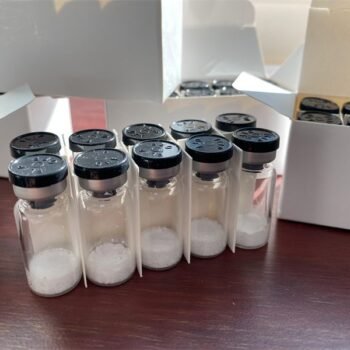
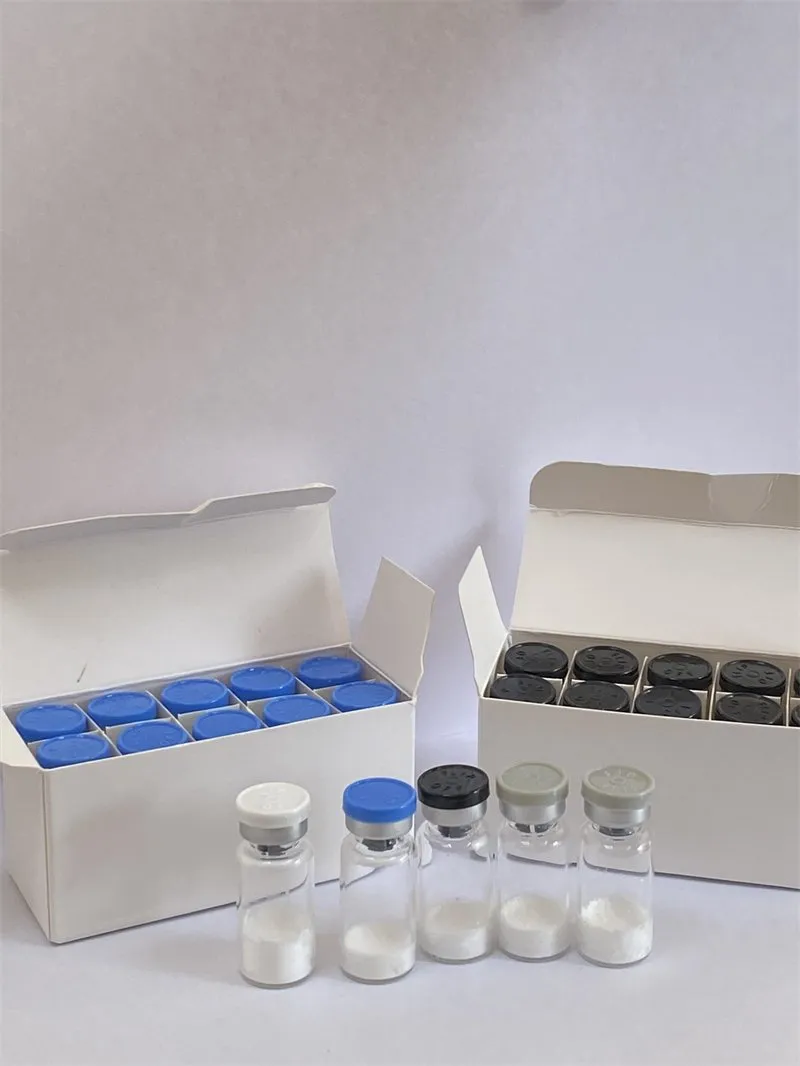
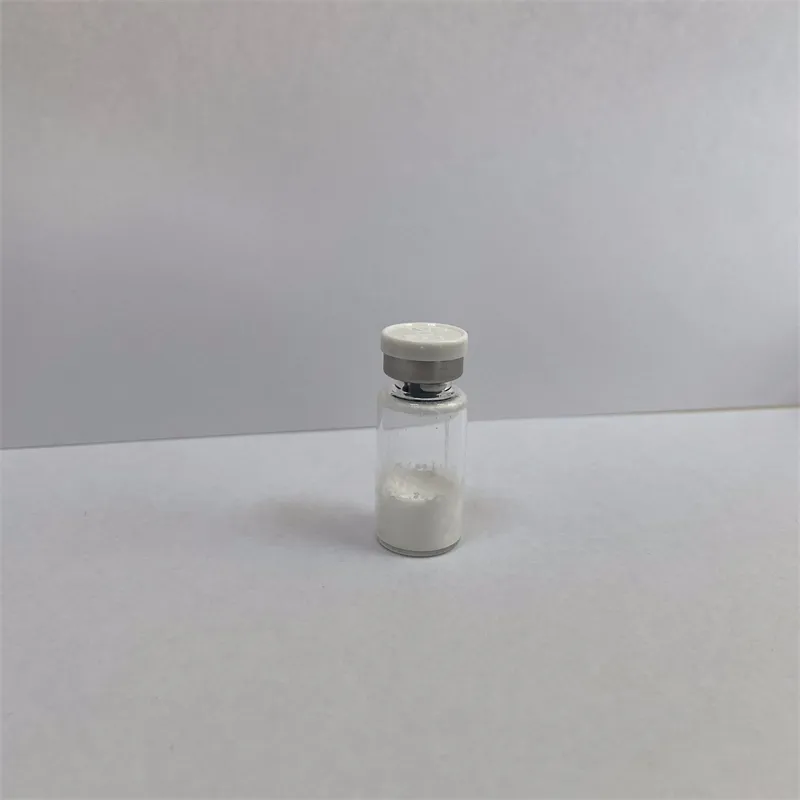
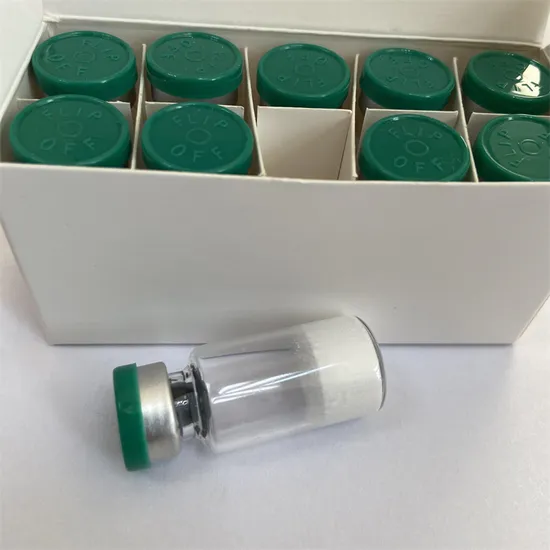
| Appearance | White to off-white lyophilized powder |
| Molecular Weight | Verified by MS |
| Solubility | Soluble in commonly used laboratory buffers |
| Manufacturing Method | Solid-phase peptide synthesis (SPPS) |
| Quality Control | HPLC, MS, sequence confirmation |
| Batch Consistency | High, with retained reference samples |
| Storage Recommendation | Low-temperature, desiccated conditions |
| Supply Format | Lyophilized powder |
| Customization | Available upon request (batch size, purity grade) |
| Supply Model | Factory-direct, bulk and wholesale supply |
Mechanism of Action
From a molecular research standpoint, Elamipretide is primarily studied as a membrane-interactive peptide with preferential affinity for specific phospholipid environments. Its sequence composition and charge distribution enable selective interaction with mitochondrial-associated lipid domains, making it a valuable tool for examining peptide–lipid organization and membrane-associated signaling processes in vitro.
Mechanistic investigations often focus on how Elamipretide associates with phospholipid head groups, influencing local membrane structure and microdomain stability. These interactions can be evaluated using biophysical assays, fluorescence-based membrane probes, and protein–lipid binding studies. By isolating these interactions under controlled laboratory conditions, researchers can assess how peptide structure contributes to membrane-associated molecular behavior.
Elamipretide is also employed in studies examining redox-related molecular processes at the membrane interface. In vitro experimental designs may evaluate how peptide–lipid interactions correlate with changes in electron transfer environments, protein conformation, or signaling molecule distribution. Importantly, such studies remain confined to molecular and cellular systems, emphasizing mechanistic interpretation rather than functional extrapolation.
Comparative analyses using Elamipretide and structurally related analogs further support structure–function mapping. Subtle sequence variations can be correlated with differences in membrane affinity or molecular stability, contributing to a deeper understanding of peptide design principles. These mechanistic insights are foundational for peptide chemistry, membrane biology, and bioenergetic research frameworks.System-level peptide analysis

Applications
Elamipretide is widely applied in in vitro research environments where controlled investigation of peptide–membrane interactions is required. Typical applications include mitochondrial membrane modeling, lipid–protein interaction assays, and mechanistic studies of peptide-mediated molecular organization.
In biochemical research, Elamipretide is utilized in artificial membrane systems such as liposomes or supported lipid bilayers to evaluate binding specificity and structural effects. These platforms allow precise manipulation of lipid composition, enabling researchers to dissect how Elamipretide responds to defined phospholipid environments.
Cell-based research models may also incorporate Elamipretide to explore intracellular membrane-associated molecular pathways. Such applications focus on signal modulation, oxidative balance at the molecular level, and peptide localization patterns within controlled experimental systems. Data generated from these studies support broader hypotheses related to peptide chemistry and membrane biology.
Additionally, Elamipretide is used in comparative peptide research, where it serves as a reference compound for evaluating novel analogs or modified sequences. Its well-characterized structure and reproducible performance make it a reliable benchmark in advanced laboratory studies.
Research Models
Elamipretide research is typically conducted using non-organismal experimental models designed to isolate molecular mechanisms. Commonly employed models include artificial lipid bilayers, mitochondrial membrane extracts, and cultured cell platforms optimized for biochemical analysis.
Lipid-based systems provide a simplified environment for studying peptide–membrane affinity and conformational effects. These models enable high-resolution analysis using spectroscopic, calorimetric, or imaging-based techniques. By controlling lipid composition and experimental parameters, researchers can directly correlate molecular structure with observed interaction patterns.
Cell-based research models further support investigation into intracellular peptide localization and membrane-associated signaling events. These systems allow integration of biochemical readouts with molecular imaging and proteomic profiling, facilitating multi-dimensional data interpretation while maintaining an in vitro research scope.
Together, these research models ensure that Elamipretide studies remain focused on fundamental molecular processes, providing reproducible and interpretable data suitable for advanced research programs.

Experimental Design Considerations
When designing experiments involving Elamipretide, researchers should prioritize standardization and comparability. Parallel testing conditions, consistent buffer systems, and appropriate controls are essential for reliable data interpretation. Concentration ranges should be selected based on assay sensitivity and detection limits rather than extrapolative assumptions.
Comparative studies benefit from inclusion of structurally related peptide analogs to support structure–function analysis. Documentation of peptide handling, reconstitution conditions, and storage history further enhances reproducibility across experimental runs.
Analytical endpoints should align with the intended mechanistic question, whether focusing on membrane binding affinity, molecular stability, or interaction-driven signaling patterns. Clear experimental objectives and transparent reporting practices are critical for generating interpretable results.

Laboratory Safety & Handling Guidelines
Elamipretide is supplied exclusively as a research-grade laboratory material. Standard laboratory safety practices should be followed when handling peptide reagents. Personnel should wear appropriate protective equipment, including gloves and lab coats, to minimize unintended exposure.
The lyophilized powder should be handled in a clean, controlled environment to prevent contamination. Reconstitution should be performed using suitable laboratory-grade solvents or buffers, and aliquoting is recommended to avoid repeated freeze–thaw cycles.
Storage under low-temperature, dry conditions helps preserve peptide integrity over extended periods. All handling procedures should align with institutional laboratory safety protocols and chemical hygiene guidelines.

Integration with Multi-Omic & Computational Studies
Elamipretide-based research increasingly integrates with multi-omic and computational approaches to enhance mechanistic interpretation. Proteomic and lipidomic analyses may be employed to assess molecular response patterns associated with peptide–membrane interaction studies.
Computational modeling supports visualization of peptide–lipid interfaces and prediction of conformational behavior under defined conditions. When combined with experimental data, these approaches provide a systems-level perspective on molecular interactions without extending beyond in vitro research boundaries.
Such integration strengthens hypothesis generation and supports data-driven refinement of experimental design in peptide research programs.

Keywords
Elamipretide peptide, Elamipretide CAS 1177324-86-3, research-grade Elamipretide, high-purity Elamipretide, Elamipretide wholesale, Elamipretide factory supply, Elamipretide in vitro research
Shipping Guarantee
All Elamipretide shipments are securely packaged with appropriate environmental protection to maintain product integrity during transit. Batch identification and tracking documentation are provided to support laboratory record-keeping. Packaging protocols are designed to minimize contamination and degradation risks. Each shipment is inspected prior to dispatch. Global laboratory delivery is supported. Consistent logistics ensure research continuity.
Trade Assurance
Factory-direct manufacturing ensures consistent peptide quality, stable supply capacity, and competitive pricing. Each batch is accompanied by analytical documentation verifying purity and identity. Bulk and customized production options are available for research institutions. Quality management systems support long-term supply reliability. Direct sourcing reduces intermediary risk. Long-term research partnerships are supported.
Payment Support
We support Credit Card, Bank Transfer (TT), and Cryptocurrency payments including BTC, ETH, and USDT. All payment channels use encrypted transaction systems. International procurement requirements are fully supported. Flexible payment options facilitate global laboratory sourcing. Documentation can be provided for institutional accounting. Secure processing is guaranteed.
Disclaimer
This product is supplied strictly for laboratory research use. It is not intended for diagnostic, therapeutic, or other applied purposes. No claims are made regarding suitability beyond in vitro experimental systems. Use is restricted to qualified research personnel. All applications must comply with applicable laboratory regulations. The supplier assumes no responsibility for misuse outside defined research contexts.
References
PubChem – Elamipretide (SS-31) Compound Summary
National Center for Biotechnology Information (NCBI).
Provides authoritative chemical identity, structure, molecular properties, and curated literature links relevant to Elamipretide research.
https://pubchem.ncbi.nlm.nih.gov/compound/ElamipretideDrugBank Online – Elamipretide (DB11675)
DrugBank Database, University of Alberta.
Offers detailed molecular information, peptide characteristics, and mechanistic annotations suitable for research background reference.
https://go.drugbank.com/drugs/DB11675NCBI – Peptide–Membrane Interaction and Mitochondrial Biology Resources
National Center for Biotechnology Information.
Comprehensive repository for peer-reviewed literature and mechanistic studies related to peptide–lipid interactions and mitochondrial-associated molecular processes.
https://www.ncbi.nlm.nih.gov/Nature Reviews Molecular Cell Biology – Mitochondrial Membrane Organization and Dynamics
Nature Publishing Group.
Authoritative review articles discussing mitochondrial membrane structure, lipid–protein interactions, and experimental approaches relevant to Elamipretide research frameworks.
https://www.nature.com/nrm/Journal of Biological Chemistry – Peptide–Lipid Interaction Mechanisms
American Society for Biochemistry and Molecular Biology (ASBMB).
Peer-reviewed studies addressing molecular mechanisms of peptide binding, membrane stabilization, and structure–function relationships.
https://www.jbc.org/RCSB Protein Data Bank (PDB)
Worldwide Protein Data Bank Consortium.
Structural biology resource supporting computational modeling and visualization of peptide conformations and membrane-associated molecular interactions.
https://www.rcsb.org/Frontiers in Molecular Biosciences – Peptide-Based Molecular Research
Frontiers Media SA.
Open-access reviews and research articles covering peptide chemistry, bioenergetics, and advanced experimental models applicable to Elamipretide studies.
https://www.frontiersin.org/journals/molecular-biosciences

Additional information
| Weight | 1 kg |
|---|---|
| Dimensions | 26 × 23 × 26 cm |
Q1: What is Elamipretide used for in laboratory research?
Elamipretide is used as a research-grade peptide for investigating mitochondrial membrane dynamics, peptide–lipid interactions, and molecular bioenergetic mechanisms under controlled in vitro conditions.
Q2: Is Elamipretide intended for in vitro research only?
Yes. Elamipretide is supplied strictly for laboratory-based research, including molecular mechanism studies and cell-based experimental systems. It is not intended for diagnostic or applied use.
Q3: What makes Elamipretide suitable for membrane interaction studies?
Its defined amino acid sequence and charge distribution enable selective interaction with specific phospholipid environments, making it a useful model peptide for studying membrane-associated molecular processes.
Q4: Can Elamipretide be used as a reference peptide in comparative studies?
Yes. Elamipretide is frequently used as a reference compound in comparative peptide research, including analog evaluation and structure–function relationship studies.
Q5: What experimental models are commonly used with Elamipretide?
Typical research models include artificial lipid bilayers, mitochondrial membrane extracts, and controlled cell-based systems designed for biochemical and molecular analysis.
Q6: Is Elamipretide compatible with cell-based research platforms?
Elamipretide can be incorporated into cell-based experimental systems for studying intracellular membrane-associated molecular events, provided that experimental conditions are carefully controlled and documented.
Q7: How is Elamipretide purity verified?
Each batch is analyzed using high-performance liquid chromatography (HPLC) and mass spectrometry (MS) to confirm chemical purity, molecular weight, and sequence integrity.
Q8: What form is Elamipretide supplied in?
Elamipretide is supplied as a white to off-white lyophilized powder to ensure stability during storage and transport for laboratory use.
Q9: Are bulk or wholesale quantities available for research institutions?
Yes. Factory-direct manufacturing enables bulk, wholesale, and customized supply options for academic and industrial research laboratories.
Q10: Can Elamipretide be integrated into multi-omic research workflows?
Yes. Elamipretide-based studies are often combined with proteomic, lipidomic, or computational analyses to support system-level interpretation of molecular interaction data.
Q11: Is Elamipretide suitable for peptide–lipid binding assays?
Elamipretide is widely used in peptide–lipid binding and membrane affinity assays due to its reproducible behavior and well-characterized interaction profile.
Q12: How should Elamipretide be handled in the laboratory?
Standard laboratory safety practices should be followed. The lyophilized peptide should be handled in a clean environment, reconstituted with appropriate laboratory-grade solvents, and stored under recommended conditions.
Q13: Does Elamipretide support structure–function analysis?
Yes. Elamipretide is commonly included in structure–function mapping studies to evaluate how peptide sequence and physicochemical properties influence molecular interactions.
Q14: Is batch-to-batch consistency maintained?
Yes. Manufacturing processes include standardized synthesis and quality control procedures to ensure high batch-to-batch consistency, which is critical for reproducible research outcomes.
Related products
USA-Peptide-Janoshik Lyophilized Peptide Raw Powder for Muscle Building & Weight Loss
Lyophilized peptide raw powder Moq:10 vials per box Appearance:Lyophilized powder Original price was: $32.00.$24.00Current price is: $24.00.Best-Selling Weight Loss Peptide: Slimming Peptide Reta with Safe Delivery
Weight Loss Peptide Lab-Tested Purity (99%+) – Ensures maximum effectiveness Original price was: $56.00.$23.00Current price is: $23.00.Wholesale Cibinetide Peptide Sterile Solution
Cibinetide Sterile Solution is a synthetic, tissue-protective erythropoietin-derived peptide engineered for research use in inflammation, neuroprotection, and cellular stress-response models. Its high purity, GMP-compliant preparation, and ready-to-use sterile formulation make it ideal for laboratories requiring consistent, reproducible peptide performance in advanced mechanistic studies.(For research use only. Not for human or veterinary use) Original price was: $38.00.$22.00Current price is: $22.00.Retatrutide Raw Material Factory: Low-Price Wholesale for High-Purity Peptides
Retatrutide MOQ 1 Box Source Dry Powder Original price was: $38.00.$22.00Current price is: $22.00.



Reviews
There are no reviews yet.