
No products in the cart.
Sale

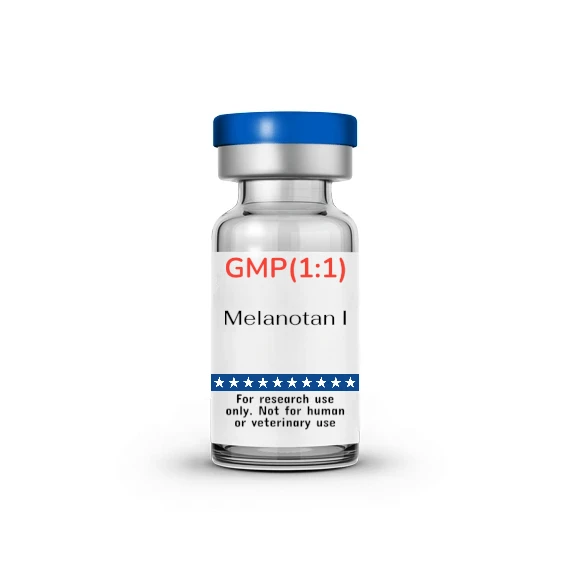
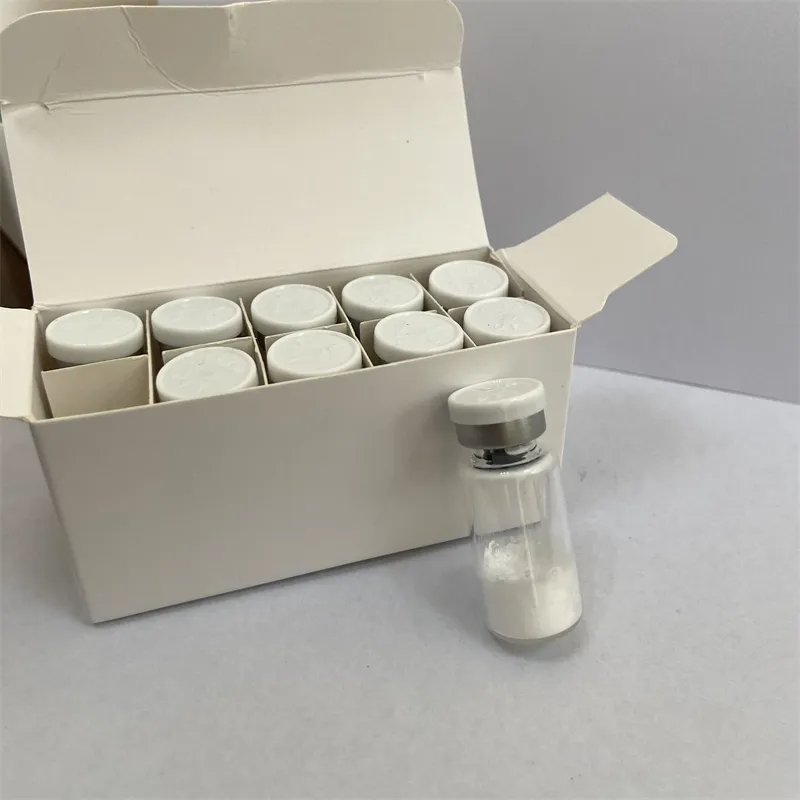
Melanotan I – 99.75%high-purity-peptide
Original price was: $38.00.$32.00Current price is: $32.00.
Melanotan I is a high-purity synthetic peptide supplied for in vitro molecular and receptor-level research. Factory-manufactured under controlled conditions, it supports mechanistic studies involving melanocortin receptor signaling, cAMP-mediated pathways, and peptide–receptor interaction profiling. Available for bulk, wholesale, and B2B export supply.

Description
Contents
hide
Product Description
Melanotan I is a synthetic peptide specifically supplied for advanced laboratory-based, in vitro molecular research, with a primary focus on melanocortin receptor signaling and peptide–receptor interaction mechanisms. As a structurally defined and analytically verified compound, Melanotan I serves as a reliable reference material for researchers investigating signal transduction pathways, receptor selectivity, and intracellular messenger modulation under controlled experimental conditions.
This Melanotan I product is manufactured using precision solid-phase peptide synthesis (SPPS) technology, ensuring high sequence fidelity, minimal impurity profiles, and excellent batch-to-batch reproducibility. The factory-controlled production environment enables consistent molecular quality, which is essential for comparative studies, longitudinal research projects, and multi-assay experimental designs. Each production lot is subjected to rigorous analytical characterization, including high-performance liquid chromatography (HPLC) and mass spectrometry, to confirm identity, purity, and structural integrity.
Within in vitro research frameworks, Melanotan I is widely employed as a model peptide for melanocortin receptor pathway exploration. Its defined amino acid sequence and stable physicochemical properties allow researchers to systematically examine ligand–receptor binding behavior, downstream second messenger responses, and pathway-specific activation profiles. These properties make Melanotan I particularly valuable in receptor-binding assays, signal amplification studies, and mechanistic pathway mapping where experimental precision is critical.
From a molecular research perspective, Melanotan I provides a standardized tool for structure–activity relationship (SAR) analysis. By comparing Melanotan I with structurally related peptides or modified analogs, researchers can assess how specific amino acid substitutions or conformational changes influence receptor interaction patterns and signaling efficiency. This application supports rational experimental design in peptide chemistry, molecular pharmacology modeling, and receptor biology studies conducted exclusively in vitro.
In addition to wet-lab experimentation, Melanotan I is also suitable for integration into computational and systems biology workflows. Experimental data generated using this peptide can be correlated with transcriptomic, proteomic, or bioinformatic analyses to enhance understanding of melanocortin-related signaling networks. Its well-documented molecular profile facilitates data standardization across experimental platforms and computational simulations.
As a factory-manufactured, China-based B2B export product, this Melanotan I offering is optimized for laboratories, contract research organizations, and institutional buyers requiring high-purity material, low-price wholesale supply, and scalable procurement options. Bulk availability, flexible packaging formats, and export-ready logistics support long-term research programs and international sourcing strategies. Customization services, including adjusted purity specifications, batch sizing, and technical documentation, are available to align with diverse experimental requirements.
Overall, Melanotan I functions as a research-grade molecular tool, designed to support reproducible, mechanism-focused investigations into melanocortin receptor signaling and peptide-mediated intracellular pathways. Its combination of analytical reliability, manufacturing consistency, and wholesale accessibility makes it a dependable choice for professional laboratory research conducted strictly within in vitro experimental environments.
Product Specifications
| Parameter | Description |
|---|---|
| Product Name | Melanotan I |
| Synonyms | α-MSH analog peptide |
| Molecular Type | Synthetic Peptide |
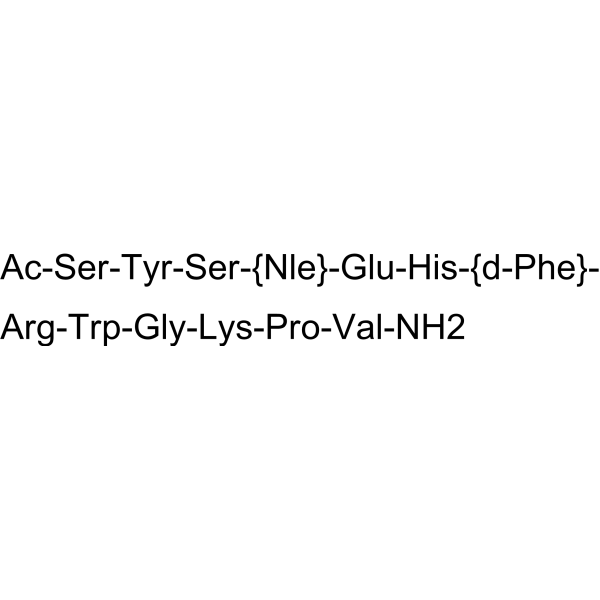
| Amino Acid Sequence | Ac-Ser-Tyr-Ser-Met-Glu-His-Phe-Arg-Trp-Gly-Lys-Pro-Val-NH₂ |
| Molecular Formula | C₇₈H₁₁₁N₂₁O₁₉ |
| Molecular Weight | ~1646.9 g/mol |
| Peptide Length | 13 Amino Acids |
| Structural Characteristics | Linear peptide with N-terminal acetylation and C-terminal amidation |
| Appearance | White to off-white solid |
| Purity Specification | ≥98% (HPLC) |
| Identity Confirmation | Mass Spectrometry (MS) |
| Analytical Methods | HPLC, MS |
| Solubility (Research Context) | Soluble in commonly used laboratory solvents |
| Hygroscopicity | Slightly hygroscopic under ambient laboratory conditions |
| Stability Profile | Stable under recommended laboratory storage conditions |
| Storage Recommendation | Low-temperature, light-protected environment |
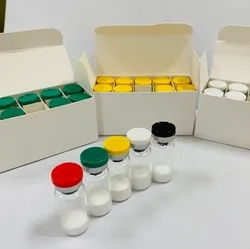
| Packaging Options | Research-grade sealed containers |
| Available Quantities | Milligram to gram scale |
| Supply Type | Bulk and wholesale supply |
| Custom Specifications | Purity, quantity, and documentation upon request |
| Intended Use | In vitro laboratory research only |
| Export Availability | International B2B export supply |
Technical Notes
The defined amino acid sequence and terminal modifications contribute to structural stability, making Melanotan I suitable for reproducible in vitro signaling and receptor interaction studies.
High purity (≥98%) minimizes background interference in biochemical assays and molecular pathway analysis.
Analytical verification via HPLC and MS ensures consistency across batches, supporting comparative and longitudinal research designs.
Flexible quantity options enable use in both exploratory research and large-scale experimental programs without altering material specifications.
All parameters are provided strictly to support laboratory-based experimental design, analytical validation, and molecular mechanism research.
Mechanism of Action
Melanotan I functions as a molecular-level signaling modulator within controlled in vitro experimental systems, primarily through its interaction with members of the melanocortin receptor (MCR) family. These receptors belong to the G protein–coupled receptor (GPCR) superfamily and serve as key nodes in intracellular signal transduction networks relevant to melanocortin-mediated pathways.
At the receptor interface, Melanotan I exhibits high affinity toward melanocortin receptor subtypes expressed in recombinant or engineered in vitro models. Upon ligand–receptor binding, conformational changes occur within the transmembrane domains of the receptor, facilitating coupling to intracellular G proteins. This interaction initiates downstream signaling cascades that can be quantitatively assessed using established biochemical and molecular readouts.
A primary signaling outcome associated with Melanotan I–mediated receptor activation is the modulation of cyclic adenosine monophosphate (cAMP) levels. Through Gs protein coupling, receptor engagement leads to activation of adenylyl cyclase, resulting in elevated intracellular cAMP concentrations. This second messenger serves as a central amplification signal, enabling researchers to trace pathway activation dynamics, signal intensity, and temporal response profiles within in vitro assay systems.
Downstream of cAMP generation, Melanotan I–associated signaling can influence protein kinase A (PKA)–dependent phosphorylation events and transcriptional regulator activation. These processes are frequently examined using reporter gene assays, phosphoprotein analyses, and transcript-level measurements to map pathway-specific responses. The defined molecular structure of Melanotan I allows for reproducible interrogation of these downstream effects across multiple experimental platforms.
Beyond canonical cAMP pathways, Melanotan I is also employed in biased signaling and receptor selectivity studies. By comparing its signaling profile with structurally related melanocortin peptides, researchers can evaluate differential pathway engagement, receptor subtype preference, and signaling efficiency. This supports advanced investigations into ligand bias, receptor conformational states, and signal diversification at the molecular level.
From a structural–functional perspective, Melanotan I serves as a reference ligand in structure–activity relationship (SAR) analyses. Its stable peptide backbone and known receptor interaction characteristics provide a benchmark for assessing how sequence modifications or conformational constraints influence receptor activation patterns. These studies contribute to a deeper mechanistic understanding of peptide–GPCR interactions within melanocortin-related signaling systems.
Overall, the mechanism of action of Melanotan I is characterized by precise receptor engagement, controlled intracellular signal propagation, and measurable downstream molecular responses. These properties make it a valuable research tool for dissecting melanocortin receptor signaling networks, validating in vitro assay systems, and supporting integrative molecular and computational studies focused on GPCR-mediated pathways.
Applications
Melanocortin Receptor Interaction Studies
Melanotan I is extensively applied in in vitro melanocortin receptor interaction studies to evaluate ligand–receptor binding characteristics, affinity profiles, and selectivity patterns. Its well-defined peptide sequence allows researchers to generate reproducible data when examining receptor engagement under controlled laboratory conditions. These studies are essential for mapping receptor subtype responses and understanding signal initiation mechanisms at the molecular level.
Signal Transduction Pathway Analysis
In laboratory research models, Melanotan I is utilized to investigate melanocortin-associated signal transduction pathways, particularly those involving second messenger regulation. By serving as a standardized molecular probe, Melanotan I supports pathway dissection, signal amplification analysis, and downstream response characterization within in vitro experimental systems.
Structure–Activity Relationship (SAR) Research
Melanotan I functions as a reference peptide in structure–activity relationship (SAR) studies, enabling comparative evaluation against modified peptides or structural analogs. Researchers employ Melanotan I to assess how specific amino acid sequences, peptide length, or conformational constraints influence receptor interaction efficiency and signaling behavior, supporting rational peptide design strategies.
Receptor Selectivity and Comparative Ligand Profiling
Melanotan I is suitable for comparative ligand profiling experiments, where it is used to benchmark receptor selectivity and signaling bias relative to other melanocortin-related ligands. These applications assist in distinguishing pathway-specific activation trends and contribute to mechanistic clarity in receptor biology research.
Molecular Pharmacology Modeling
In molecular pharmacology research, Melanotan I is incorporated into in vitro modeling frameworks to support quantitative analysis of receptor-mediated responses. Data generated from these experiments can be used to refine signaling models, validate hypothesis-driven research designs, and improve experimental reproducibility across laboratories.
Computational and Systems Biology Integration
Experimental outcomes obtained using Melanotan I are frequently integrated into computational biology and systems-level analyses. The peptide’s consistent molecular profile supports correlation of in vitro signaling data with bioinformatic modeling, network simulations, and pathway visualization tools, enhancing multi-dimensional interpretation of melanocortin-related signaling systems.
Method Development and Assay Validation
Melanotan I is also applied as a method development and assay validation standard in laboratory environments. Its stability and reproducibility make it suitable for optimizing receptor-binding assays, signaling detection platforms, and analytical workflows prior to large-scale experimental deployment.
Reference Material for Comparative Research
As a high-purity, factory-manufactured peptide, Melanotan I serves as a reliable reference material in comparative research studies. Laboratories utilize it to ensure cross-study consistency, validate experimental controls, and support inter-laboratory data comparison in melanocortin receptor research programs.
Research Models
Melanotan I is integrated into a wide range of in vitro and molecular-level research models designed to investigate melanocortin receptor signaling, peptide–receptor interaction dynamics, and downstream intracellular pathway modulation. Its defined peptide structure and reproducible analytical profile make it particularly suitable for standardized experimental systems requiring high control and repeatability.
Recombinant Receptor Expression Systems
Melanotan I is frequently applied in recombinant systems expressing specific melanocortin receptor subtypes. These models enable precise evaluation of ligand–receptor affinity, selectivity, and activation characteristics under controlled laboratory conditions. Such systems support comparative analysis across receptor variants and facilitate detailed signaling pathway dissection.
Cell-Based Signaling Platforms
In vitro cell-based platforms incorporating engineered signaling reporters are commonly used to assess second messenger responses associated with melanocortin receptor activation. Melanotan I functions as a reference ligand within these models, allowing researchers to quantify pathway responsiveness, signal intensity, and temporal activation patterns without introducing biological variability.
Cell-Free Biochemical Assays
Cell-free systems provide a simplified experimental environment for studying direct peptide–protein interactions. Within these models, Melanotan I supports investigation of receptor binding kinetics, conformational changes, and downstream effector coupling at the molecular level. These assays are particularly valuable for reducing background interference and enhancing mechanistic clarity.
Structure–Function Evaluation Models
Melanotan I is incorporated into experimental frameworks focused on structure–function relationships. By serving as a baseline reference peptide, it allows researchers to compare modified sequences, truncated analogs, or labeled derivatives, enabling systematic evaluation of how molecular alterations influence receptor engagement and signaling efficiency.
High-Throughput Screening-Compatible Models
Due to its stability and consistent quality, Melanotan I is suitable for integration into high-throughput experimental formats. These models support large-scale screening of receptor interactions, pathway modulators, or signaling modifiers while maintaining assay robustness and data comparability across multiple experimental runs.
Computationally Integrated Research Models
Data generated from in vitro experiments using Melanotan I are often incorporated into computational modeling and systems biology frameworks. These hybrid research models combine experimental results with in silico simulations to map signaling networks, predict pathway behavior, and refine hypotheses related to melanocortin receptor–mediated mechanisms.
Collectively, these research models position Melanotan I as a versatile, research-grade peptide tool for laboratories conducting controlled, mechanism-oriented investigations. Its compatibility with diverse experimental platforms supports reproducible data generation, cross-model validation, and long-term research program continuity within professional laboratory environments.
Experimental Design Considerations
When designing experiments involving Melanotan I, careful attention to peptide handling, assay setup, and data integrity is essential to achieve reproducible, mechanism-focused results. Researchers should begin by ensuring the use of high-purity, analytically verified peptide batches, prepared and stored under low-temperature, light-protected conditions to preserve molecular stability. Reconstitution in compatible laboratory solvents should be optimized for solubility and stability, avoiding repeated freeze–thaw cycles.
Assay design should consider peptide concentration ranges, incubation times, and buffer composition, tailored to the specific in vitro system. Pilot studies are recommended to determine optimal working concentrations for receptor-binding and signaling pathway analysis. Selection of appropriate readouts, such as cAMP accumulation, reporter gene activation, or secondary messenger quantification, is critical for capturing mechanistic details accurately.
Standardization of experimental parameters—including receptor expression levels, incubation conditions, and technical replicates—is necessary to minimize variability. Incorporating positive and negative controls allows differentiation between specific peptide-mediated responses and background activity. Analytical verification of peptide integrity during experiments, through methods like HPLC or mass spectrometry, further ensures experimental reliability.
Integration with complementary in vitro platforms and computational modeling can strengthen mechanistic interpretation, while cross-validation across multiple experimental systems enhances confidence in results. Careful record-keeping of batch numbers, solvent conditions, assay protocols, and readout methods supports traceability and reproducibility.
By following these guidelines, researchers can optimize the experimental design for Melanotan I, enabling accurate exploration of melanocortin receptor signaling, peptide–receptor interactions, and downstream molecular pathways in controlled laboratory environments.
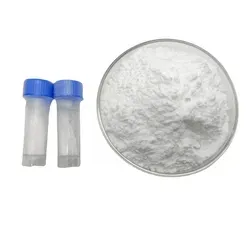
Laboratory Safety & Handling Guidelines
Melanotan I is supplied as a research-grade synthetic peptide intended exclusively for in vitro molecular and mechanistic studies. Proper laboratory handling and safety practices are essential to maintain material integrity, ensure experimental reproducibility, and protect laboratory personnel.
All manipulations should be performed in accordance with institutional safety protocols. Researchers are advised to wear appropriate personal protective equipment (PPE), including laboratory coats, gloves, and eye protection, when handling peptide powders or solutions. Work surfaces should be clean and free from contamination, and designated areas should be used for peptide preparation to prevent cross-contamination with other reagents.
Peptide storage is critical for maintaining stability. Melanotan I should be stored at low temperatures, protected from light, and maintained under conditions that prevent moisture exposure. Lyophilized peptide should be handled minimally and reconstituted in suitable laboratory solvents immediately prior to use. Avoid repeated freeze–thaw cycles, as these can compromise structural integrity and experimental consistency.
During experimental use, all solutions and reagents should be clearly labeled with batch number, preparation date, and concentration to maintain traceability. Containers should be tightly sealed when not in use. Any leftover or waste peptide solutions must be disposed of following institutional chemical waste regulations, ensuring compliance with local laboratory and environmental safety guidelines.
It is recommended to use analytical verification methods, such as HPLC or mass spectrometry, to confirm peptide integrity prior to and after experiments, particularly for longitudinal studies or multi-batch comparisons. Proper documentation of all handling steps, storage conditions, and experimental parameters supports both reproducibility and regulatory compliance, which is particularly important for B2B procurement and bulk supply chains.
By following these guidelines, laboratories can ensure safe handling, maintain peptide quality, and achieve reliable experimental outcomes, while reinforcing confidence in Melanotan I as a high-purity, factory-manufactured peptide suitable for international B2B export and large-scale research applications.
Integration with Multi-Omic & Computational Studies
Melanotan I can be effectively integrated into multi-omic and computational research workflows, enabling comprehensive exploration of melanocortin receptor signaling and peptide–receptor interactions. Data generated from in vitro studies using Melanotan I can serve as a foundation for transcriptomic, proteomic, and metabolomic analyses, facilitating identification of downstream molecular responses, signaling networks, and pathway crosstalk under controlled laboratory conditions.
In transcriptomic applications, Melanotan I–induced receptor activation can be correlated with gene expression profiles to assess pathway-specific transcriptional regulation. Proteomic studies benefit from peptide-mediated modulation of signaling effectors, allowing researchers to quantify dynamic protein-level changes, post-translational modifications, and interaction networks. When combined with metabolomic datasets, these studies provide additional insight into the biochemical consequences of receptor engagement and intracellular signaling cascades.
Computational approaches further enhance mechanistic understanding by integrating in vitro experimental data with molecular modeling, systems biology, and network analysis. Melanotan I serves as a benchmark peptide for simulation of receptor binding, conformational dynamics, and signal propagation, supporting in silico prediction of ligand specificity and downstream pathway activation. Cross-validation of experimental results with computational models strengthens reproducibility and provides a more robust framework for mechanistic interpretation.
For B2B and research institutions, the ability to integrate Melanotan I data into multi-platform workflows reinforces the value of a high-purity, factory-manufactured peptide. Controlled production, analytical verification, and batch consistency ensure that in vitro and computational results are reliable and transferable across experimental platforms. This integrated approach allows laboratories to optimize research strategies, improve mechanistic insights, and streamline peptide-based experimentation for advanced molecular studies.

Keywords
Melanotan I peptide, Melanotan I high purity, Melanotan I factory manufactured, Melanotan I wholesale supply, Melanotan I China exporter, Melanotan I in vitro research, melanocortin receptor peptide, research-grade Melanotan I, bulk Melanotan I supplier
Shipping Guarantee
Secure, research-grade packaging ensures the integrity and stability of Melanotan I during international transit. All shipments are carefully packed to protect against moisture, light exposure, and mechanical damage. Temperature-controlled logistics are available for long-distance or high-humidity transport to preserve peptide quality. Tracking and shipment monitoring are provided to guarantee on-time delivery. This system ensures that laboratories receive material ready for immediate experimental use without compromise to purity or functionality.

Trade Assurance
Factory-direct manufacturing provides full batch traceability, ensuring each lot of Melanotan I meets strict analytical verification standards. Comprehensive documentation, including certificates of analysis (COA), is supplied with every shipment. Bulk and wholesale procurement options support long-term research programs, facilitating consistent supply for extended projects. Quality-controlled production and standardized handling practices minimize variability between batches. This assurance enhances trust for B2B buyers and international research institutions seeking reliable peptide sources.
Payment Support
Multiple secure payment options are available to facilitate smooth international transactions. Credit card payments are accepted for convenience and rapid processing. T/T (Telegraphic Transfer) is supported for bulk orders or institutional procurement. Cryptocurrency payments are also available with encrypted channels for added security. Flexible payment methods ensure that buyers from different regions can confidently complete transactions while maintaining financial security.
Disclaimer
This product is supplied exclusively for laboratory research and in vitro experimental use. It is not intended for clinical, diagnostic, or therapeutic applications. Use is strictly limited to controlled laboratory settings, ensuring compliance with institutional safety and regulatory guidelines. Researchers must adhere to appropriate handling, storage, and disposal protocols to maintain safety and integrity. The disclaimer reinforces that Melanotan I is intended solely as a mechanistic and molecular research tool, not for external or human use.
References
PubChem – Melanotan‑I (Melanocortin Peptide Analogue)
A comprehensive chemical profile of Melanotan I (also known as Afamelanotide), including molecular structure, synonyms, and receptor classification as a melanocortin receptor agonist. PubChemBinding and cAMP Studies of Melanotropin Peptides with the Cloned Human Melanocortin Receptor (hMC1R)
Peer‑reviewed biochemical research demonstrating receptor binding affinity and cAMP activation by [Nle⁴,D‑Phe⁷]α‑MSH (Melanotan I) at the human melanocortin receptor, providing mechanistic insight into peptide‑receptor signaling in vitro. PubMedMelanocortin 1 Receptor (MC1R): Pharmacological and Therapeutic Aspects (PMC Article)
An open‑access review article describing melanocortin peptides including Melanotan I and its interactions with MC1R and related receptors, with detailed discussion of sequence modifications and in vitro mechanisms. PMCAfamelanotide: Mechanism of Action and Biological Profile (DrugBank)
DrugBank entry summarizing afamelanotide (Melanotan I) binding to MC1R and subsequent stimulation of eumelanin synthesis via MC1R‑mediated pathways, relevant for mechanistic understanding of receptor signaling. DrugBankMC1R, the cAMP Pathway and the Response to Solar Ultraviolet Radiation (PMC Article)
Open‑access overview of MC1R signaling and downstream cAMP pathway activation upon melanocortin peptide binding, establishing mechanistic context relevant to receptor‑mediated signal transduction studies. PMCNovel Approaches to the Design of Bioavailable Melanotropins (PMC Article)
A mechanistic review of peptide framework design targeting melanocortin receptors, providing broader context on receptor selectivity and in vitro peptide research strategies. PMCDiscovery of a Highly Selective MC1R Agonist Pentapeptide (MDPI Article)
An MDPI research article detailing structural analogs of α‑MSH and their relative activity at MC1R, reinforcing peptide structure–function relationships relevant for in vitro melanocortin studies. MDPI

Additional information
| Weight | 1 kg |
|---|---|
| Dimensions | 26 × 23 × 26 cm |
What is Melanotan I used for in research?
Melanotan I is used as a high-purity synthetic peptide for in vitro studies focused on melanocortin receptor signaling, peptide–receptor interactions, and intracellular cAMP-mediated pathways. It serves as a reference compound for mechanistic and molecular pathway investigations under controlled laboratory conditions.
Is Melanotan I suitable for cell-free assays?
Yes. Melanotan I is compatible with cell-free biochemical assays, receptor-binding experiments, and signal transduction models, providing reliable activity for mechanistic studies without requiring live-cell systems.
What purity level does this peptide offer?
Each batch of Melanotan I is analytically verified to have ≥98% purity via HPLC, ensuring high reproducibility and minimal variability in experimental results.
Can Melanotan I be used in computational modeling?
Absolutely. Experimental data derived from in vitro assays with Melanotan I can be integrated into molecular docking, systems biology, and network modeling workflows to study receptor dynamics and pathway simulations.
What analytical methods verify the peptide?
Melanotan I undergoes high-performance liquid chromatography (HPLC) and mass spectrometry (MS) to confirm molecular integrity, sequence accuracy, and purity, supporting reliable experimental outcomes.
Is bulk or wholesale procurement available?
Yes, we offer bulk, wholesale, and factory-direct supply with consistent batch quality, supporting long-term research projects and multi-assay experimental setups.
Can custom orders be accommodated?
Yes. Customization options include adjusted purity, batch size, and documentation to meet specific experimental or procurement requirements.
How should Melanotan I be stored?
Store at low temperatures, protected from light and moisture. Reconstituted solutions should be aliquoted and used promptly to maintain peptide stability.
Are there recommended solvent systems for reconstitution?
Melanotan I is soluble in standard laboratory solvents compatible with in vitro assays. Researchers should verify solubility in their chosen buffer system prior to experiments.
What type of experimental models is Melanotan I suitable for?
It is suitable for recombinant receptor systems, engineered cell lines, cell-free signaling assays, and peptide–receptor interaction models, strictly within in vitro research environments.
Does Melanotan I support SAR studies?
Yes. Its defined peptide structure allows structure–activity relationship (SAR) analysis, enabling comparisons with modified peptides and evaluation of receptor binding and signaling efficiency.
How does Melanotan I integrate with multi-omic studies?
Experimental data can be correlated with transcriptomics, proteomics, and metabolomics to investigate downstream signaling networks and molecular pathway responses.
Is international shipping available?
Yes. Melanotan I is shipped with secure, research-grade packaging and optional temperature-controlled logistics, ensuring peptide integrity during long-distance export.
What payment methods are supported?
We accept Credit Card, T/T (Telegraphic Transfer), and encrypted Cryptocurrency payments, providing flexibility for international B2B procurement.
Is this product strictly for research use?
Yes. Melanotan I is intended exclusively for laboratory research and in vitro experiments, and not for clinical, diagnostic, or therapeutic use. Proper handling, storage, and disposal are required to maintain safety and regulatory compliance.
Related products
Anti-Aging Peptide Raw Powder CAS 307297-39-8 Epitalon – Low Price Wholesale
Anti-Aging Moq:10 vials per box Appearance:Lyophilized powder Purity:99% Original price was: $29.00.$23.00Current price is: $23.00.Retatrutide cost with insurance
Retatrutide cost with insurance Original price was: $38.00.$26.00Current price is: $26.00.99.9% Effective Weight Loss Shaping Peptide – Beauty Peptide Factory Direct Low Price Wholesale
Peptide Purity 99% Specification 5mg/vial, 10mg/vial, 15mg/vial Original price was: $38.00.$23.00Current price is: $23.00.Cosmetic Peptide Raw Material Factory – Low Price Wholesale Direct from China
Cosmetic Peptide Appearance: Lyophilized powder Dose 2mg 5mg 10mg 15mg 20mg Higher Original price was: $42.00.$22.00Current price is: $22.00.




Reviews
There are no reviews yet.