
No products in the cart.
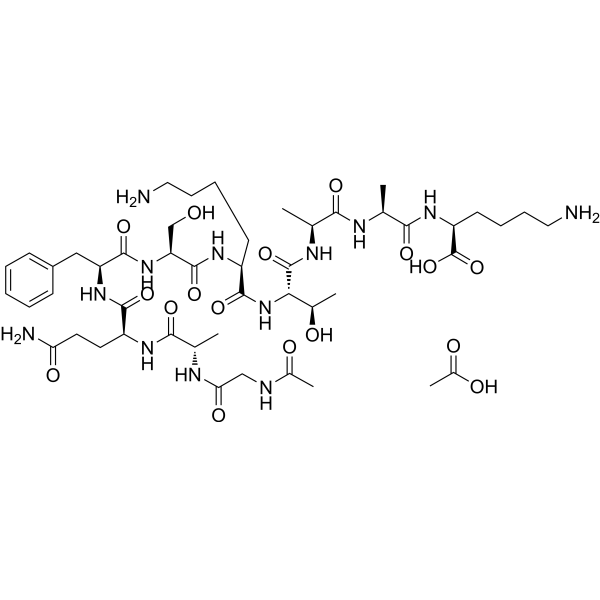
BIO-11006 Acetate – Purity 99.92% | GMP Manufacturer
$2.00
BIO-11006 Acetate is a bioactive peptide analog of the MANS peptide, acting as a potent MARCKS inhibitor. With demonstrated efficacy in reducing airway inflammation and mucus hypersecretion, it provides 99.92% purity and GMP manufacturing, ideal for pulmonary or inflammation model research.?For wholesale prices, other specifications and uses, please consult our staff?

Description
BIO-11006 Acetate is a refined peptide analog derived from the first ten amino acids of the MANS peptide, designed to competitively inhibit the MARCKS (myristoylated alanine-rich C kinase substrate) protein. MARCKS plays key roles in regulating actin dynamics, mucin secretion, and inflammatory responses via calcium-calmodulin and PKC pathways. By disrupting MARCKS’ membrane association, BIO-11006 attenuates processes like cytokine secretion and neutrophil trafficking in airway inflammation models. Studies in murine lungs show it significantly suppresses ozone or LPS-induced neutrophil infiltration and key cytokines like IL-6, TNF, and KC, more effectively than MANS itself. With 99.92% purity and GMP-grade production, this peptide is a reliable choice for respiratory inflammation, immunology, and cell signaling research.
BIO-11006 Acetate Product Category
Peptide Signal Modulators — specialized peptides targeting intracellular signaling proteins, used in respiratory, immunology, and cell motility studies.
Product Specifications
| Parameter | Details |
|---|---|
| Product Name | BIO-11006 Acetate |
| Synonyms | MARCKS peptide inhibitor, MANS analog |
| Purity | ?99.92% (HPLC) |
| Molecular Basis | Analog of first 10 aa of MANS peptide |
| Function | MARCKS inhibitory peptide |
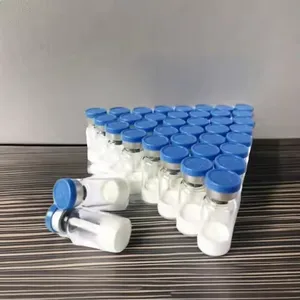
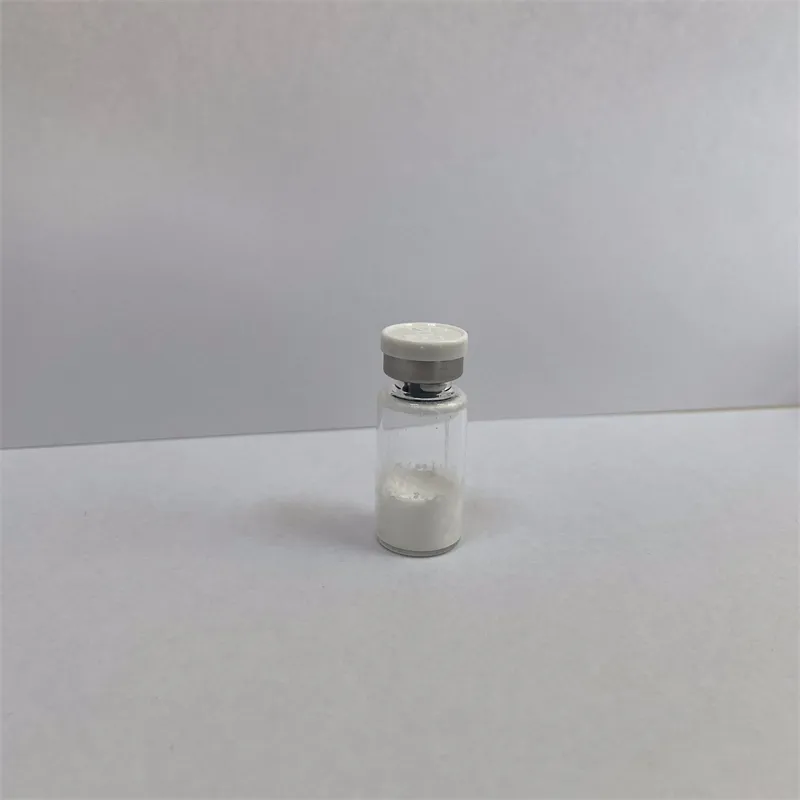
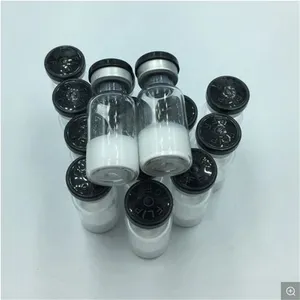
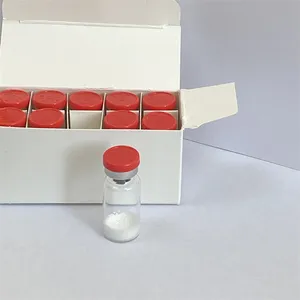
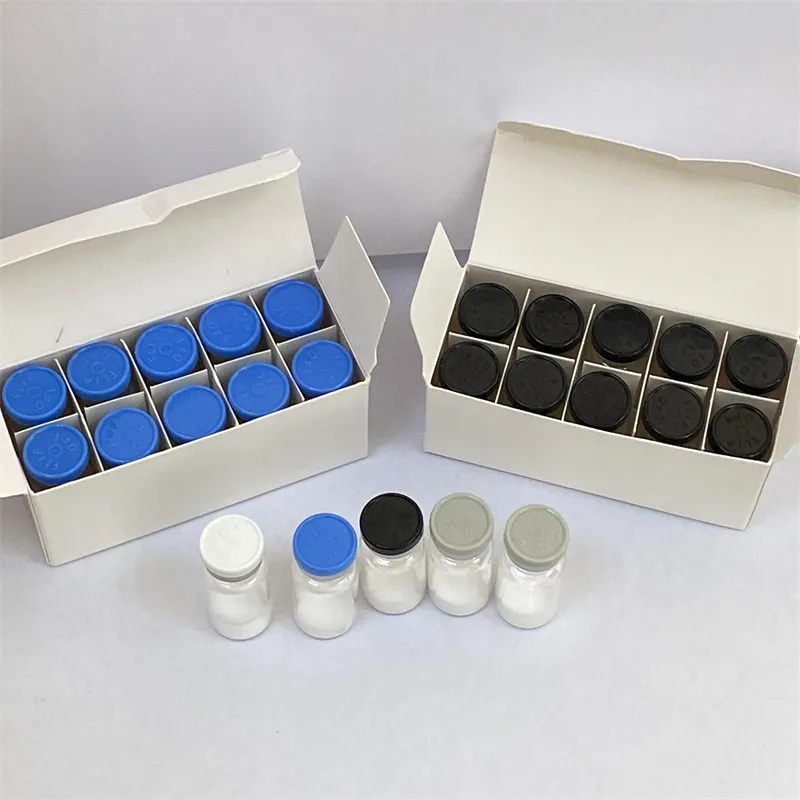
| Appearance | White to off-white lyophilized powder |
| Solubility | Soluble in water and DMSO; sonication aids dissolution |
| Storage | –20 °C, protected from light and moisture |
| GMP Compliance | Yes — GMP-certified manufacturer |
BIO-11006 Acetate Mechanism of Action & Research Applications
MARCKS associates with cell membranes to regulate actin structure, vesicle trafficking, and signal transduction. BIO-11006 competes with MARCKS for membrane binding, displacing it and thereby disrupting cortical cytoskeletal dynamics and mucin secretion. This mechanism mitigates inflammation and mucus overproduction in pulmonary models. It’s been used to explore:
Airway inflammation and mucin regulation
Ozone or allergen-induced neutrophil recruitment
Cytokine secretion pathways (IL-6, TNF, KC)
Intracellular signaling disruption via MARCKS modulation
BIO-11006 Acetate Side Effects (For Research Context Only)
In preclinical use, BIO-11006 shows low systemic toxicity. However, inhibition of MARCKS signaling may affect cellular motility, secretion, and immune cell function—consider this when designing inflammatory or migration-related models.
Logistics Transportation
All shipments are delivered with transport insurance and expedited handling. We ensure 100% compensation for any lost, detained, or damaged package.
Disclaimer
BIO-11006 Acetate is strictly for laboratory research use only. It is not approved for clinical, therapeutic, veterinary, or diagnostic applications.
Additional information
| Weight | 0.6 kg |
|---|---|
| Dimensions | 26 × 23 × 26 cm |
1 review for BIO-11006 Acetate – Purity 99.92% | GMP Manufacturer
Related products
Wholesale Cibinetide Peptide Sterile Solution
Cibinetide Sterile Solution is a synthetic, tissue-protective erythropoietin-derived peptide engineered for research use in inflammation, neuroprotection, and cellular stress-response models. Its high purity, GMP-compliant preparation, and ready-to-use sterile formulation make it ideal for laboratories requiring consistent, reproducible peptide performance in advanced mechanistic studies.(For research use only. Not for human or veterinary use) Original price was: $38.00.$22.00Current price is: $22.00.USA Warehouse 99% IV Infusion Therapy Anti-Aging Injection Peptide for Weight Loss & Muscle Building
USA Warehouse 99% IV Infusion Therapy Anti-Aging Injection Peptide for Weight Loss & Muscle Building Original price was: $38.00.$23.00Current price is: $23.00.Best Price with Peptides 10mg Vials – High-Purity Weight Loss Peptide in Stock with Safe Delivery
Weight Loss Peptide Moq: 10 vials per box Package: plastic or paper box Purity:99% Original price was: $36.00.$24.00Current price is: $24.00.USA-Peptide-Janoshik Lyophilized Peptide Raw Powder for Muscle Building & Weight Loss
Lyophilized peptide raw powder Moq:10 vials per box Appearance:Lyophilized powder Original price was: $32.00.$24.00Current price is: $24.00.
MOHAMMED –
Delivery was timely, and the packaging was secure.