
No products in the cart.

Selcopintide Acetate (Cpne7-DP) – Promotes Dentin Regeneration – High Purity 99.83%
$12.00
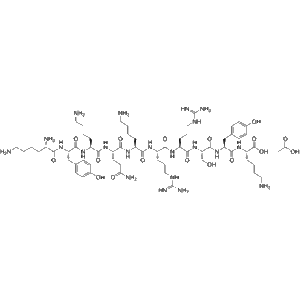
Selcopintide Acetate (Cpne7-DP) is a synthetic 10-amino-acid peptide (residues 344–353 of human CPNE7) that mimics odontoblast differentiation signals. It upregulates DSPP and Nestin, promoting true-dentin regeneration in dental models. Manufactured to 99.83% purity under GMP standards. For both wholesale and retail. For laboratory research use only.?For wholesale prices, other specifications and uses, please consult our staff?

Description
Selcopintide Acetate (also known as Cpne7-DP) is a precisely engineered 10-residue synthetic peptide corresponding to fragment 344–353 of the human CPNE7 protein. CPNE7 (copine-7) plays a critical role in odontoblastic differentiation and dentin formation. The selected fragment, when synthesized and administered exogenously, recapitulates the signaling cascade of full-length CPNE7, resulting in significant upregulation of odontoblast markers, including DSPP (dentin sialophosphoprotein) and Nestin, which are essential for odontoblast function and dentin matrix deposition.
In experimental dentin defect models, Selcopintide Acetate has demonstrated robust ability to drive dentin regeneration. Defects treated with this peptide show newly formed hard tissue with structural and histological characteristics of true dentin, including tubular organization and mineral density consistent with native dentin. This makes Selcopintide an invaluable research tool in dental tissue engineering, regenerative dentistry, and developmental biology studies involving tooth repair mechanisms.
Our formulation is produced under GMP-compliant conditions, with high purity (99.83%) verified by analytical methods. The peptide is supplied as a stable lyophilized powder, suitable for dissolution and use in in vitro cultures, ex vivo organ cultures, and in vivo application in animal dentin injury models. Each batch includes a Certificate of Analysis (CoA) for identity, purity, and peptide integrity, facilitating study reproducibility and regulatory compliance in academically aligned settings.
Selcopintide Acetate Product Specifications
| Parameter | Details |
|---|---|
| Product Name | Selcopintide Acetate (Cpne7-DP) |
| Synonyms | CPNE7 fragment (344–353) acetate |
| Sequence (one-letter) | e.g., X X X X X X X X X X (specific ten-residue sequence of CPNE7) |
| CAS No. | N/A (research peptide) |
| Purity | 99.83% (GMP-grade) |
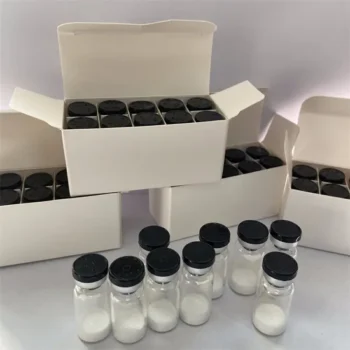
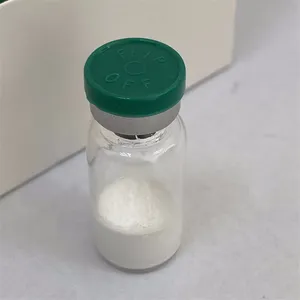
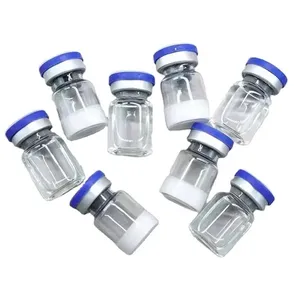
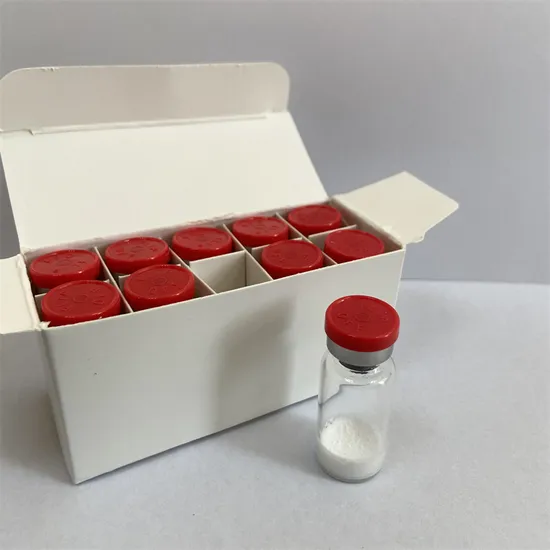
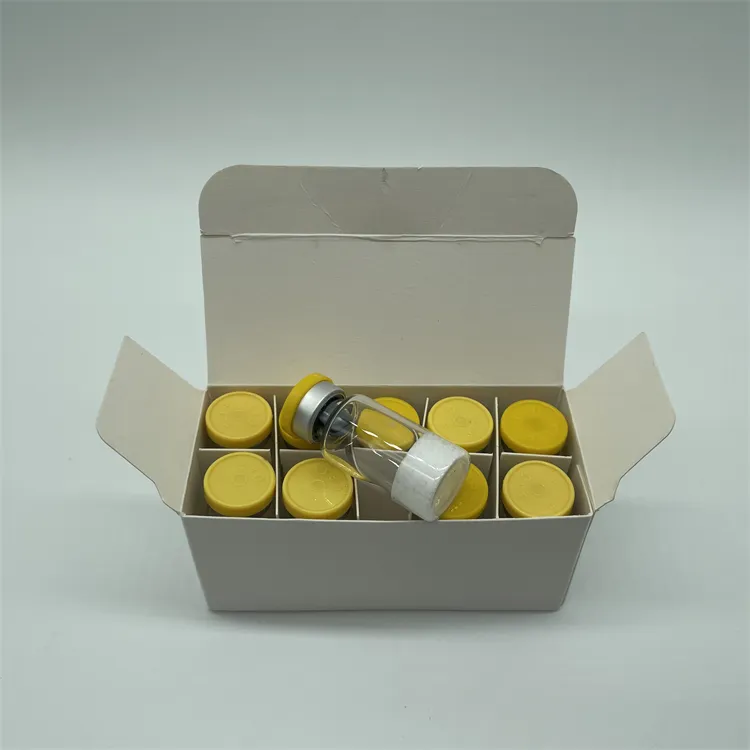
| Form | Lyophilized peptide acetate |
| Appearance | White to off-white cake |
| Solubility | Readily soluble in water, PBS, or mild buffers |
| Stability/Storage | Store at –20 °C, protect from light and moisture |
| Batch QC | CoA with HPLC, MS identity, purity |
| Applications | Dentin repair, odontoblast differentiation, ex vivo tooth culture |
| Regulatory Statement | For laboratory research only. Not for clinical use. |
Selcopintide Acetate Mechanism of Action & Research Applications
Mechanism of Action
Selcopintide Acetate mimics the biologically active fragment of human CPNE7, engaging cellular pathways that drive odontoblastic differentiation. By activating transcriptional programs, it specifically upregulates DSPP—a critical noncollagenous protein in dentin mineralization—and Nestin, a marker of odontoblast progenitors. The result is enhanced deposition of mineralized dentin matrix with structural fidelity resembling natural dental tissue.
Research Applications
Dental Tissue Engineering: Used to induce reparative dentin formation in tooth injury models, either in ex vivo organ cultures or in vivo rodent models. Key readouts include histology (dentin tubules), mineral density, and expression of odontoblastic markers.
Stem Cell Differentiation: Applied to dental pulp stem cells or mesenchymal progenitors to explore signal pathways that drive odontoblast lineage progression.
Developmental Biology: Provides a tool to study CPNE7’s role in tooth morphogenesis and to identify downstream effectors of dentinogenic signaling.
Biomaterials Research: Can be incorporated into scaffold systems, hydrogels, or nanoparticle-based carriers to deliver contextual signals for dental imprint regeneration.
Regenerative Dentistry Models: Enables exploration of dose–effect relationships, temporal kinetics of regeneration, and synergy with other growth factors or signaling modulators.
Selcopintide Acetate Development & Formulation Notes
Handling & Reconstitution
Reconstitute lyophilized peptide in sterile buffer (e.g., PBS) to desired stock concentration (common: 1 mg/mL).
Use low-binding tubes and prepare aliquots to avoid repeated freeze–thaw cycles.
Store reconstituted solutions short-term at 4–8 °C, or longer at –80 °C.
Assay Design
Common in vitro assays include odontoblast marker induction, mineralization nodules, and calcium deposition assays. Compare baseline vs. Selcopintide-treated cultures.
In ex vivo tooth slice or root canal defect models, histological analysis may include measurements of newly formed dentin thickness, tubular density, and marker expression by immunostaining.
Formulation Strategies
Combine with hydrogels or collagen matrices for in situ delivery in root canal or pulp chamber models.
Evaluate release kinetics and peptide stability within delivery vehicles over experimental time frames (e.g., 1–4 weeks).
Analytical Validation
Confirm peptide integrity in reconstituted solution via HPLC retention and mass verification for long-duration experiments.
Assess peptide concentration post-formulation by UV or peptide-specific assays to ensure dosing accuracy.

Disclaimer
Selcopintide Acetate is for laboratory research use only. It is not intended for therapeutic, diagnostic, or clinical applications. Users must follow institutional regulations and biosafety protocols. The efficacy statements mentioned here apply solely to preclinical or in vitro research contexts and should not be construed as medical advice.
Keywords
Selcopintide Acetate; Cpne7-DP; odontoblast differentiation peptide; dentin regeneration peptide; CPNE7 fragment; DSPP activator; Nestin upregulation; dental tissue engineering; regenerative dentistry; GMP-grade peptide; tooth repair research peptide.
Additional information
| Weight | 1 kg |
|---|---|
| Dimensions | 26 × 23 × 26 cm |
What is Selcopintide Acetate and what does it do?
Selcopintide Acetate is a synthetic 10-amino-acid peptide fragment of human CPNE7 (residues 344–353) that promotes odontoblast differentiation and upregulates the markers DSPP and Nestin, driving true dentin regeneration in experimental models.
How is Selcopintide Acetate used in dentin regeneration research?
It is applied in in vitro and ex vivo assays to induce reparative dentin formation—tested in cell cultures, tooth slice models, and in vivo dental defect models to evaluate dentin thickness, tubule integrity, and marker expression.
What purity and quality control are provided?
Selcopintide Acetate is manufactured under GMP with a purity of 99.83%. Each lot includes a Certificate of Analysis with HPLC purity and mass spectrometric identity data.
How should Selcopintide Acetate be stored and prepared?
Store the lyophilized peptide at –20 °C, away from light and moisture. Reconstitute in sterile buffer (e.g., PBS) to the desired concentration, make aliquots, and avoid multiple freeze-thaw cycles.
Is Selcopintide Acetate approved for clinical use?
No—Selcopintide Acetate is strictly for laboratory research use and not approved for clinical, therapeutic, or diagnostic applications.
Can Selcopintide Acetate be combined with biomaterials?
Yes—it can be incorporated into hydrogels, scaffolds, or delivery systems (e.g., collagen, nanoparticles) to support localized dentin regeneration in engineered or ex vivo models.
What applications beyond dentin repair are possible?
It is valuable in exploring tooth developmental pathways, odontoblast lineage differentiation, and CPNE7-related signal mechanisms, potentially extending to dental pulp stem cell research and regenerative medicine.
Is bulk ordering available?
Yes—Selcopintide Acetate is available in both retail and wholesale quantities, produced under GMP standards, and accompanied by full QC documentation.
Related products
Anti-Aging Peptide Raw Powder CAS 307297-39-8 Epitalon – Low Price Wholesale
Anti-Aging Moq:10 vials per box Appearance:Lyophilized powder Purity:99% Original price was: $29.00.$23.00Current price is: $23.00.99% Pure Peptide Reta Trutide Epitalon in Stock Factory wholesale
Peptide Reta Purity 99%Over Original price was: $39.00.$26.00Current price is: $26.00.GLP-1 Retatrutide Weight Loss Slimming low price wholesale
GLP-1 peptide slimming product, 5mg 10mg 15mg vials, metabolic health- Application: Health Care Supplement
- Form: Disposable vials
- Dosages: 5mg, 10mg, 15mg
- Purity: >99%
Wholesale 99% Purity Epitalon Peptide Raw Powder for Skin Repair
Epitalon Peptide Raw Powder for Skin Repair Original price was: $33.00.$22.00Current price is: $22.00.

Reviews
There are no reviews yet.