
No products in the cart.

Pegsebrenatide (NLY01) – low price wholesale supplier
$15.00
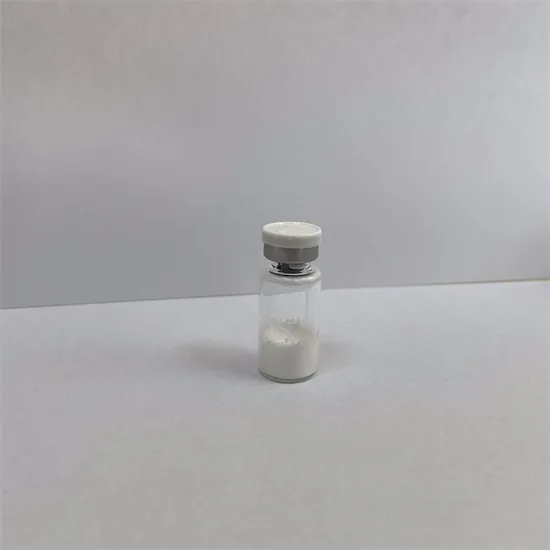
Pegsebrenatide (NLY01) is a GMP-grade, long-acting GLP-1 receptor agonist with favorable brain penetration. It inhibits A1 astrocyte transformation, reducing dopaminergic neuron loss and improving motor phenotypes in mouse models of Parkinson’s disease. Purity 95.50%. Available for wholesale and retail. For laboratory research use only.?For wholesale prices, other specifications and uses, please consult our staff?

Description
Pegsebrenatide, also known as NLY01, is a pegylated exendin-4-based GLP-1 receptor agonist engineered for extended half-life and enhanced blood–brain barrier (BBB) penetration. This unique design maintains GLP-1R agonism while enabling sustained receptor engagement and superior CNS access, differentiating it from conventional incretin analogues.
In neurodegenerative disease models—particularly Parkinson’s disease (PD)—Pegsebrenatide demonstrates potent neuroprotective and anti-inflammatory effects. By blocking microglia-mediated conversion of astrocytes into neurotoxic A1 phenotype, it protects dopaminergic neurons from degeneration. Preclinical Parkinson’s models show that Pegsebrenatide administration preserves motor function, reduces neuronal loss, and suppresses behavioral deficits.
The compound is produced in GMP-compliant facilities and purified to 95.50% purity, ensuring consistent delivery of high-quality peptide for preclinical research. Supplied as a lyophilized powder, Pegsebrenatide is well-suited for in vitro assays, rodent models, and neurodegeneration studies. Each batch includes a Certificate of Analysis (CoA) detailing purity, identity, and stability to support reproducibility.
Product Specifications
| Parameter | Details |
|---|---|
| Product Name | Pegsebrenatide (NLY01) |
| Synonyms | NLY01; pegylated exendin-4 analogue |
| CAS No. | 2243292-26-2 |
| Chemical Nature | Pegylated GLP-1R agonist peptide |
| Mechanism | GLP-1R agonism with BBB penetration |
| Purity | 95.50% (GMP-grade) |
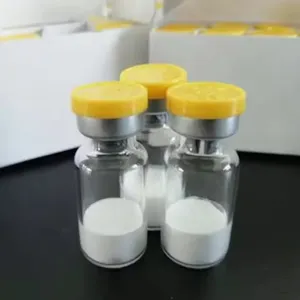
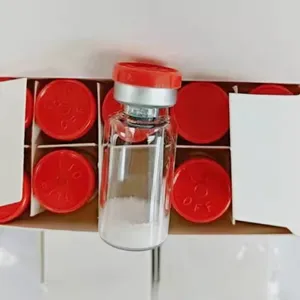
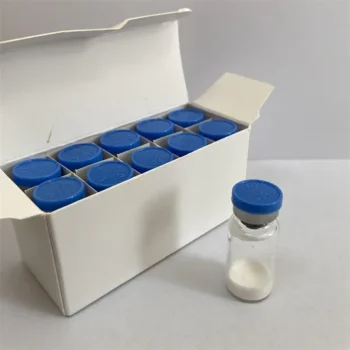
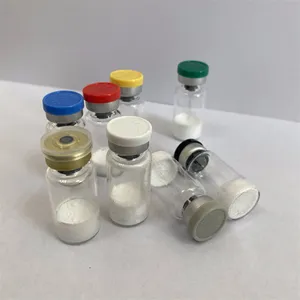
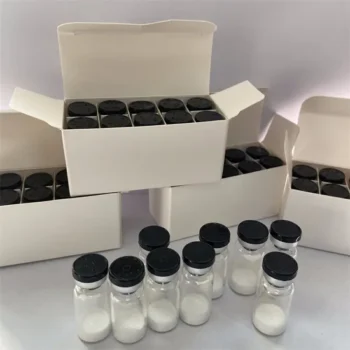
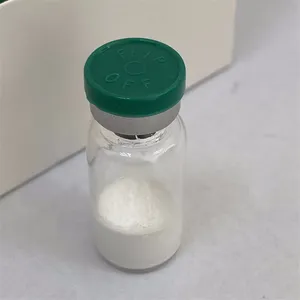
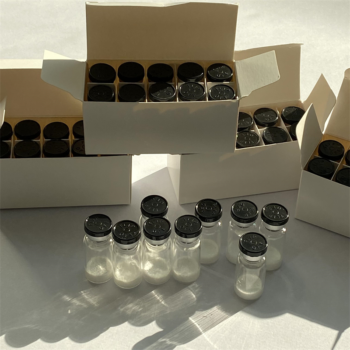
| Formulation | Lyophilized peptide powder |
| Appearance | White to off-white cake |
| Solubility | Soluble in sterile water, PBS, mild buffer solutions |
| Storage Conditions | Store at –20 °C, shielded from light and humidity |
| Quality Documentation | CoA with HPLC, MS identity included |
| Applications | PD neuroprotection, astrocyte modulation, neuroinflammation, GLP-1R studies |
| Regulatory Statement | For laboratory research use only. Not for clinical or human use. |
Mechanism of Action & Research Applications
Mechanism of Action
Pegsebrenatide is a GLP-1R agonist optimized for sustained activation and brain entry. By activating GLP-1 receptors, particularly on microglia and astrocytes, it intervenes in neuroinflammatory cascades. It prevents A1 astrocyte formation, a harmful reactive glial phenotype, and through that, protects dopaminergic neurons from degenerative processes commonly seen in PD.
Research Applications
Parkinson’s Disease Models
In multiple mouse models—including ?-synuclein PFF and hA53T transgenic mice—Pegsebrenatide preserves motor function and neuron viability, offering a tool for studying neuroprotective pathways.Glial Cell Modulation Studies
Used to examine microglia-to-astrocyte signaling dynamics, cytokine profiles, and astrocyte reactivity, offering insights into neuroinflammation mechanisms.Neurodegeneration & Neuroprotection Research
Investigates how GLP-1R agonism accelerates survival pathways, mitochondrial resilience, and reduction of neurotoxic glial responses.Drug Pharmacokinetics & Delivery
Ideal for examining CNS-targeted pharmacotherapy effects, exploring dosing regimens, sustained release, and PEGylated peptide stability in animal models.
Development & Formulation Notes
Reconstitution & Storage
Reconstitute with sterile, endotoxin-free buffer to desired concentration (e.g., 1 mg/mL). Store aliquots at –20 °C or –80 °C to preserve activity; avoid repeated freeze–thaw.Dosing Strategies
In rodent models, dose levels (e.g., 0.1–1 mg/kg, subcutaneously) should be calibrated based on pilot data. Monitor motor function and neuroprotection outcomes.Analytical Validation
Include validation steps via HPLC or mass spectrometry for long-term stability studies. Check concentration and integrity periodically.Combination & Mechanistic Studies
Combine Pegsebrenatide with anti-inflammatory agents, neurotrophic factors, or PD models to dissect additive or synergistic benefits.
Disclaimer
Pegsebrenatide (NLY01) is strictly for laboratory research use only. It is not intended for clinical, diagnostic, therapeutic, or veterinary use. Users must follow institutional safety and biosafety protocols.
Keywords
Pegsebrenatide; NLY01; GLP-1R agonist; long-acting peptide; BBB-penetrant GLP-1 analogue; PD neuroprotection; A1 astrocyte blockade; dopaminergic neuron preservation; neuroinflammation; GMP peptide.
Additional information
| Weight | 0.8 kg |
|---|---|
| Dimensions | 62 × 32 × 62 cm |
What is Pegsebrenatide and how does it function?
Pegsebrenatide (NLY01) is a pegylated, long-acting GLP-1 receptor agonist with good brain penetration. It blocks harmful A1 astrocyte formation and protects dopaminergic neurons, offering neuroprotection in Parkinson’s disease models.
Why use Pegsebrenatide in Parkinson’s research?
Because Pegsebrenatide (NLY01) activates GLP-1R and modulates glial reactivity, it helps reduce neuroinflammation and neuron death. It has shown efficacy in multiple PD models, improving motor symptoms and survival rates.
What purity and manufacturing quality does Pegsebrenatide have?
Pegsebrenatide is produced to 95.50% purity under GMP conditions. Each batch includes a Certificate of Analysis confirming identity and quality data.
How should Pegsebrenatide be stored and prepared?
Store at –20 °C, protected from light and moisture. Reconstitute in sterile buffer, aliquot to avoid freeze-thaw, and store working stocks at –80 °C.
Is Pegsebrenatide approved for clinical use?
No — Pegsebrenatide (NLY01) is strictly for laboratory research, not for clinical or diagnostic use.
Can Pegsebrenatide be combined with other neuroprotective agents?
Yes — Pegsebrenatide can be integrated in experimental protocols with anti-inflammatory drugs or neurotrophic factors to study combination effects in neuroprotection.
Does Pegsebrenatide cross the blood–brain barrier?
Yes — Pegsebrenatide (NLY01) is pegylated to enable brain penetration, essential for its neuroprotective action in central nervous system models.
Related products
Cosmetic Peptide Raw Material Factory – Low Price Wholesale Direct from China
Cosmetic Peptide Appearance: Lyophilized powder Dose 2mg 5mg 10mg 15mg 20mg Higher Original price was: $42.00.$22.00Current price is: $22.00.Wholesales Weight Loss Peptides Raw Powder CAS 129954-34-3 with Safe Delivery
$2.00Function Weight Loss Peptides Color White Purity 99%OverAnti-Aging Peptide Raw Powder CAS 307297-39-8 Epitalon – Low Price Wholesale
Anti-Aging Moq:10 vials per box Appearance:Lyophilized powder Purity:99% Original price was: $29.00.$23.00Current price is: $23.00.High Purity 99.9% Weight Loss Peptide – Raw Material Factory Wholesale at Low Price
Weight Loss Peptide Appearance:Lyophilized powder Grade Standard:Top Quality Original price was: $12.00.$9.80Current price is: $9.80.
Reviews
There are no reviews yet.