
No products in the cart.
Sale
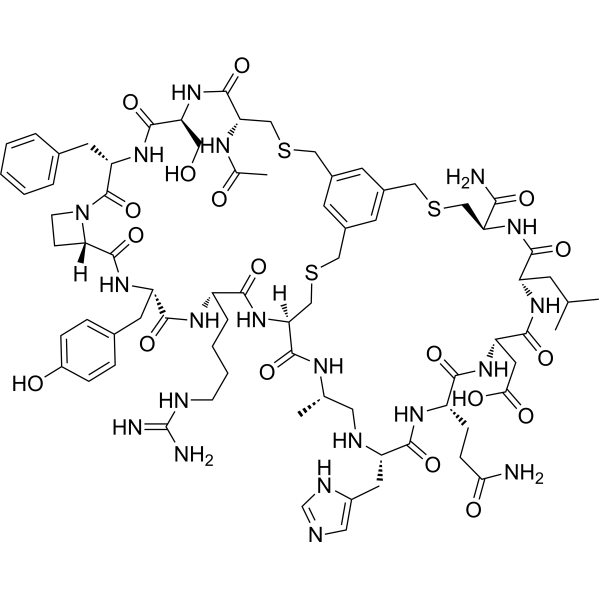
Irucalantide (CAS No. 1631160-47-8) – High Purity Kallikrein Inhibitor for Research Use | GMP Supplier
Original price was: $16.00.$14.00Current price is: $14.00.
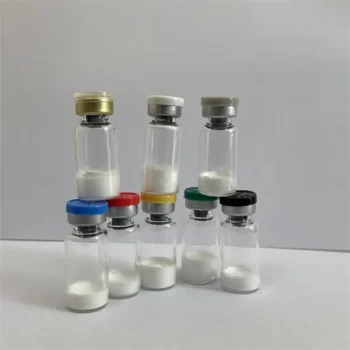
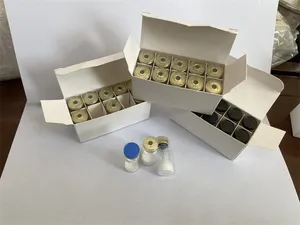
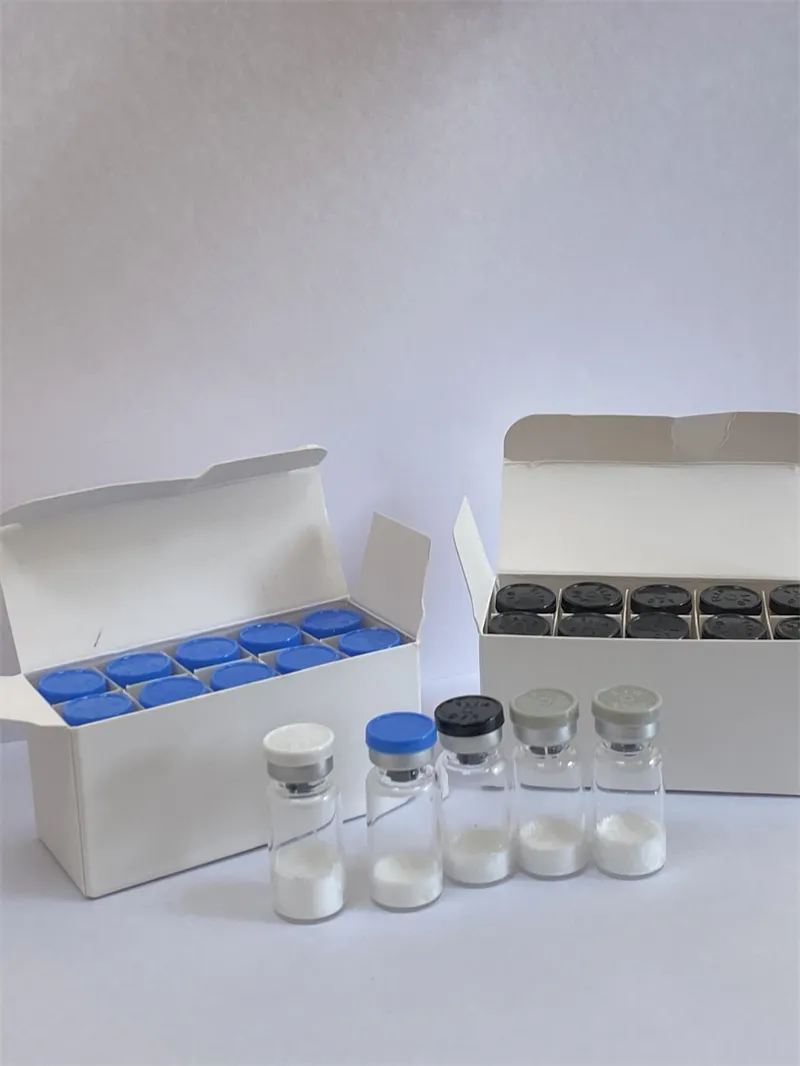
Irucalantide (CAS No. 1631160-47-8) is a potent kallikrein inhibitor manufactured by a GMP-certified supplier. With a purity of 99.72%, it is widely used in experimental studies involving inflammation, cardiovascular research, and protease regulation. Available for both bulk and small-scale orders. For laboratory research use only.
?If you need to place an order or inquire about wholesale product prices, specifications and uses, please contact our staff?

Description
Irucalantide is a synthetic peptide molecule specifically developed as a kallikrein inhibitor, providing precise modulation of proteolytic activity in various biological systems. With a high purity of 99.72%, this compound is ideally suited for scientific laboratories investigating kinin–kallikrein pathways, inflammatory cascades, and cardiovascular regulation.
The compound’s mechanism centers on the suppression of plasma kallikrein activity, which is a key regulator of the kinin–bradykinin axis. Dysregulation of this pathway has been linked to a wide range of conditions, including hereditary angioedema (HAE), inflammation-related disorders, and vascular permeability dysfunction.
Research interest in Irucalantide also extends to renal biology, cardiovascular physiology, and immunology, where modulation of kallikrein activity provides insight into novel therapeutic approaches.
Manufactured under GMP-compliant conditions, Irucalantide ensures consistent quality, reproducibility, and traceability for laboratory research projects. It is offered in both bulk and smaller quantities, making it suitable for academic, preclinical, and pharmaceutical studies.
Product Specifications
| Parameter | Details |
|---|---|
| Product Name | Irucalantide |
| CAS Number | 1631160-47-8 |
| Molecular Type | Kallikrein inhibitor (synthetic peptide) |
| Purity | 99.72% |
| Supplier Standard | GMP-Certified Manufacturing Facility |
| Applications | Research on kallikrein inhibition, inflammation, hereditary angioedema, cardiovascular biology |
| Form | Lyophilized peptide (research-grade) |
| Storage Conditions | Store at -20°C or below, avoid repeated freeze-thaw cycles |
| Research Use | For laboratory research only, not for human or veterinary applications |
Mechanism of Action & Research Applications
Irucalantide functions as a direct inhibitor of kallikrein, a serine protease involved in the conversion of kininogen to bradykinin. By blocking this enzymatic step, Irucalantide helps reduce excessive bradykinin formation, which is known to cause inflammation, vasodilation, and increased vascular permeability.
Key areas of research include:
Inflammation Studies: Investigating bradykinin-mediated signaling in chronic inflammatory conditions.
Cardiovascular Research: Exploring the role of kallikrein in blood pressure regulation, vascular tone, and endothelial permeability.
Hereditary Angioedema Models: Evaluating kallikrein inhibition as a therapeutic strategy to reduce angioedema attacks.
Protease Regulation: Studying protease–inhibitor balance within the broader serine protease cascade.
Renal Research: Assessing the kallikrein–kinin system’s involvement in kidney function and salt homeostasis.
Through these diverse applications, Irucalantide offers researchers a versatile tool for exploring disease pathways and developing potential new therapies.
Development & Research Background
The study of kallikrein inhibitors has grown significantly due to the central role of the kinin–kallikrein system in inflammation and vascular biology. Irucalantide, as a synthetic peptide inhibitor, represents a new class of molecules designed for improved stability and selectivity.
Research on kallikrein has revealed its dual involvement in both normal physiological processes (such as blood flow and renal salt balance) and pathological states (such as angioedema, inflammatory disorders, and cardiovascular dysfunction). By offering a precise tool to block kallikrein activity, Irucalantide provides researchers with the ability to dissect complex biochemical pathways.
Its development has been supported by studies showing that selective inhibition of kallikrein may reduce vascular leakage, tissue swelling, and inflammatory response, while maintaining critical systemic functions. This balance makes Irucalantide a valuable compound for preclinical models of disease and translational research efforts.
Side Effects
In laboratory models, potential side effects of kallikrein inhibition include:
Altered vascular tone and blood pressure regulation
Reduced bradykinin-mediated vasodilation
Possible impairment of protective inflammatory responses
Modulation of renal salt handling
These findings are research observations only and not indicative of safety or efficacy in humans.
Disclaimer
Irucalantide is supplied strictly for laboratory research use only. It is not approved for human or veterinary use, medical treatment, or diagnostic procedures. Handling should only be conducted by trained professionals in a laboratory environment.
Keywords
Irucalantide, CAS 1631160-47-8, kallikrein inhibitor, bradykinin pathway research, inflammation research peptide, hereditary angioedema research, GMP peptide supplier, high purity peptide inhibitor, protease regulation studies, cardiovascular research compound
Additional information
| Weight | 0.6 kg |
|---|---|
| Dimensions | 62 × 86 × 62 cm |
What is Irucalantide?
Irucalantide is a synthetic peptide that functions as a potent kallikrein inhibitor. It is used in research studies focusing on inflammation, vascular permeability, and hereditary angioedema.
What is the CAS number of Irucalantide?
The CAS number for Irucalantide is 1631160-47-8.
What is the purity of Irucalantide provided?
Irucalantide is manufactured to a high purity of 99.72%, ensuring reliable and consistent results in laboratory experiments.
What are the primary research applications of Irucalantide?
Irucalantide is primarily used in studies of kallikrein inhibition, bradykinin signaling, cardiovascular regulation, renal physiology, and hereditary angioedema models.
How does Irucalantide work?
Irucalantide works by inhibiting plasma kallikrein activity, thereby preventing excessive bradykinin production that can cause inflammation and vascular leakage.
Is Irucalantide produced under GMP standards?
Yes, Irucalantide is manufactured in a GMP-certified facility, ensuring quality, purity, and compliance with international laboratory standards.
Can Irucalantide be used for clinical or therapeutic purposes?
No, Irucalantide is strictly intended for laboratory research use only and is not approved for clinical or diagnostic use.
What storage conditions are recommended for Irucalantide?
Irucalantide should be stored at -20°C or below, with precautions taken to avoid repeated freeze-thaw cycles.
What type of studies benefit most from Irucalantide?
Irucalantide is especially valuable in cardiovascular, immunological, renal, and inflammatory research projects, where kallikrein pathways play a key role.
Does Irucalantide have potential side effects in experiments?
Yes, research models indicate possible effects on vascular tone, bradykinin signaling, and renal salt balance. These are strictly research-related findings.
Can Irucalantide be ordered in bulk quantities?
Yes, Irucalantide is available for both wholesale and retail supply, making it suitable for academic labs and pharmaceutical research institutions.
Is Irucalantide suitable for autoimmune disease studies?
Yes, because the kallikrein–kinin system is involved in immune regulation, Irucalantide may be used in experimental autoimmune models to explore new therapeutic approaches.
Related products
Retatrutide cost with insurance
Retatrutide cost with insurance Original price was: $38.00.$26.00Current price is: $26.00.Factory Supply Peptide Healthcare 99% with Safe Delivery
Peptide Healthcare Usage Delta-Sleep Inducing Peptides Purity 99%Over Dose 2mg 5mg 10mg 15mg 20mg Highe Original price was: $28.00.$23.00Current price is: $23.00.USA Warehouse 99% IV Infusion Therapy Anti-Aging Injection Peptide for Weight Loss & Muscle Building
USA Warehouse 99% IV Infusion Therapy Anti-Aging Injection Peptide for Weight Loss & Muscle Building Original price was: $38.00.$23.00Current price is: $23.00.Top Quality Peptides Lyophilized Powder – Reta Trutide Fitness and Weight Loss Peptide in Stock | Factory Wholesale
Peptides Function Weight Loss Peptides Moq:10 vials per box Original price was: $38.00.$22.00Current price is: $22.00.

Reviews
There are no reviews yet.