
No products in the cart.
Sale

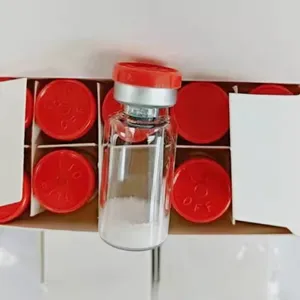
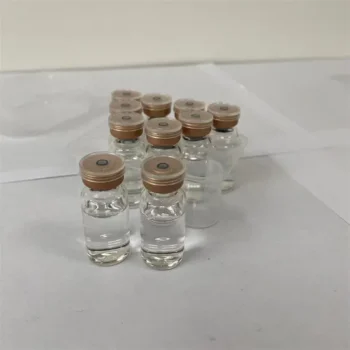
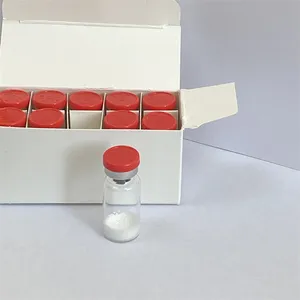
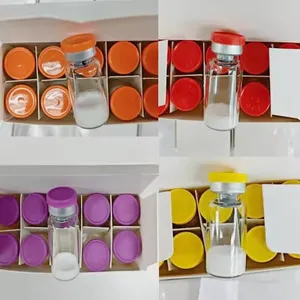
Tetracosactide Acetate (Tetracosactrin Acetate) – GMP Grade Research Peptide
Original price was: $20.00.$16.00Current price is: $16.00.
Tetracosactide Acetate (CAS 60189-34-6) is a synthetic analogue of adrenocorticotrophic hormone (ACTH) and a potent melanocortin-4 receptor (MC4R) agonist. Supplied at 99.26% purity by a GMP-certified manufacturer, this research-grade peptide is studied for its ability to stimulate corticosteroid release and is applied in models of autoimmune and inflammatory diseases. Available for wholesale and retail. For laboratory research use only.?If you need to place an order or inquire about wholesale product prices, specifications and uses, please contact our staff?

Description
Tetracosactide Acetate, also known as Tetracosactrin Acetate, is a synthetic peptide derived from the adrenocorticotrophic hormone (ACTH) sequence. With a CAS number of 60189-34-6 and a verified purity of 99.26%, this compound is manufactured under GMP-certified conditions, ensuring consistency and high quality suitable for advanced laboratory applications.
Functionally, Tetracosactide Acetate is an agonist of the melanocortin-4 receptor (MC4R), activating this receptor with high potency (EC50 = 0.65 nM). This activity makes it an important research tool in exploring adrenal physiology, neuroendocrine signaling, and immune regulation. By mimicking the biological activity of ACTH, Tetracosactide Acetate stimulates the adrenal cortex to release corticosteroids such as cortisol, which play central roles in metabolism, inflammation, and immune response.
In research contexts, Tetracosactide Acetate has been widely investigated for its applications in autoimmune and inflammatory disease models, including ulcerative colitis, Crohn’s disease, juvenile/adult rheumatoid arthritis, and osteoarthrosis. These studies help scientists better understand the therapeutic potential of ACTH analogues in modulating immune responses and alleviating chronic inflammation.
Unlike the natural hormone, Tetracosactide Acetate provides a stable, synthetic form that can be studied in controlled conditions, making it especially valuable for preclinical pharmacology and biochemical studies.
This product is supplied as a high-purity peptide in its acetate salt form, which improves stability for laboratory use. It is designed exclusively for scientific research purposes and is not intended for clinical, veterinary, or human use.
Product Specifications
Product Name: Tetracosactide Acetate (Tetracosactrin Acetate)
CAS Number: 60189-34-6
Synonyms: Tetracosactrin, ACTH (1-24) analogue, Corticotropin analogue
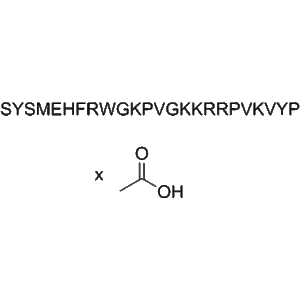
Chemical Formula: C136H210N40O31S
Molecular Weight: ~2933.4 g/mol
Purity: 99.26% (HPLC)
Form: Acetate salt, lyophilized powder
Sequence: Ser-Tyr-Ser-Met-Glu-His-Phe-Arg-Trp-Gly-Lys-Pro-Val-Gly-Lys-Lys-Arg-Arg-Pro-Val-Lys-Val-Tyr-Pro (ACTH 1-24 fragment)
Receptor Activity: MC4R agonist (EC50 = 0.65 nM)
Function: Stimulates corticosteroid release from adrenal glands
Stability: Stable in acetate salt form under recommended storage
Storage: Store at –20°C, protect from light and moisture
Origin: GMP-Certified Manufacturer
Applications: Research in endocrinology, immunology, inflammation, and autoimmune disease models
Intended Use: For laboratory research only; not for diagnostic, therapeutic, or human consumption
Mechanism of Action & Research Applications
Tetracosactide Acetate functions as a synthetic analogue of adrenocorticotrophic hormone (ACTH). By binding to melanocortin receptors, particularly the melanocortin-2 receptor (MC2R) in adrenal glands and melanocortin-4 receptor (MC4R) in the central nervous system, it triggers a cascade of intracellular events that result in the production and release of glucocorticoids (cortisol), mineralocorticoids, and androgens.
This hormone-like activity makes it a valuable research tool in the study of:
Adrenal Function & Stress Response – Cortisol secretion plays a vital role in regulating stress responses, metabolism, and immune modulation. Tetracosactide Acetate is commonly used in laboratory tests to investigate adrenal gland activity and feedback mechanisms.
Autoimmune Disease Research – Due to its immunomodulatory effects, it is studied in models of ulcerative colitis, Crohn’s disease, rheumatoid arthritis, and osteoarthrosis, where corticosteroid release can reduce inflammation.
Neuroendocrine Regulation – By acting on melanocortin receptors, the compound also provides insights into the crosstalk between the endocrine and nervous systems.
Pharmacology of Steroidogenesis – Tetracosactide Acetate enables the examination of how synthetic ACTH analogues regulate adrenal steroid synthesis, making it critical in endocrinology and pharmacological research.
Researchers are especially interested in its receptor selectivity and potency, as this makes it a more controlled and predictable alternative to natural ACTH for experimental applications.
Side Effects (For Reference in Models)
In preclinical and laboratory settings, models using Tetracosactide Acetate have reported responses similar to those seen with natural ACTH stimulation. Observed effects may include:
Elevated cortisol and aldosterone levels
Changes in blood pressure (hypertension in some models)
Altered glucose metabolism
Potential electrolyte imbalances (sodium retention, potassium excretion)
Local irritation at the site of administration (in animal models)
Immune modulation leading to reduced inflammation
These effects provide important insights into the therapeutic and biological impact of ACTH analogues. However, it is essential to note that Tetracosactide Acetate supplied here is strictly for laboratory research use and is not approved for clinical or human application.
Disclaimer
This product is provided exclusively for laboratory research purposes. It is not intended for human, veterinary, or therapeutic use. Researchers must handle according to GMP-grade laboratory safety protocols.
Keywords
Tetracosactide Acetate, Tetracosactrin Acetate, CAS 60189-34-6, ACTH analogue peptide, melanocortin-4 receptor agonist, MC4R agonist research, ACTH fragment 1-24, corticosteroid release research, autoimmune disease peptide, GMP peptide supplier
Additional information
| Weight | 0.8 kg |
|---|---|
| Dimensions | 65 × 85 × 65 cm |
What is Tetracosactide Acetate?
Tetracosactide Acetate is a synthetic analogue of adrenocorticotrophic hormone (ACTH) used in research to study adrenal gland function and corticosteroid release.
What is the CAS number of Tetracosactide Acetate?
The CAS number is 60189-34-6.
How pure is Tetracosactide Acetate supplied?
Our GMP supplier provides Tetracosactide Acetate with a verified purity of 99.26%.
What receptor does Tetracosactide Acetate target?
It acts as a potent MC4R agonist with an EC50 of 0.65 nM, and also stimulates adrenal melanocortin receptors.
What are the main research applications of Tetracosactide Acetate?
It is used in models of ulcerative colitis, Crohn’s disease, rheumatoid arthritis, osteoarthrosis, and endocrinology research.
How should Tetracosactide Acetate be stored?
It should be stored at –20°C, protected from light and moisture.
Is Tetracosactide Acetate suitable for wholesale orders?
Yes, we support both wholesale and retail supply with GMP-grade quality assurance.
Does Tetracosactide Acetate affect cortisol release?
Yes, it stimulates the adrenal glands to release cortisol and other corticosteroids.
Is Tetracosactide Acetate stable in its free form?
The acetate salt form offers improved stability for research use.
Is Tetracosactide Acetate intended for human use?
No, this compound is intended strictly for laboratory research and is not approved for human or veterinary applications.
Related products
High Purity Weight Loss Peptide Reta, Trutide, GHK-Cu, Epitalon Peptide – The Ultimate Solution for Effective Weight Loss and Anti-Aging
Weight Loss Peptide Function Dose 2mg 5mg 10mg 15mg 20mg Higher Original price was: $36.00.$25.00Current price is: $25.00.Cosmetic Peptide Raw Material Factory – Low Price Wholesale Direct from China
Cosmetic Peptide Appearance: Lyophilized powder Dose 2mg 5mg 10mg 15mg 20mg Higher Original price was: $42.00.$22.00Current price is: $22.00.Best Price with Peptides 10mg Vials – High-Purity Weight Loss Peptide in Stock with Safe Delivery
Weight Loss Peptide Moq: 10 vials per box Package: plastic or paper box Purity:99% Original price was: $36.00.$24.00Current price is: $24.00.Semaglutide Raw Material Factory: Low-Price Wholesale for High-Purity Peptides
Semaglutide Compound CID: 56843331 MF: C187H291N45O59Purity: 99%
Form: Lyophilized powder
Dosage Options: 5mg, 10mg, 15mg per vial
Packaging: Secure box packaging
Shelf Life: 2 years (store in a cool, dry place)
MOQ: 1 box

Reviews
There are no reviews yet.