
No products in the cart.
Sale
BPC 157 Acetate | GMP Supplier & Manufacturer
Original price was: $17.00.$15.00Current price is: $15.00.
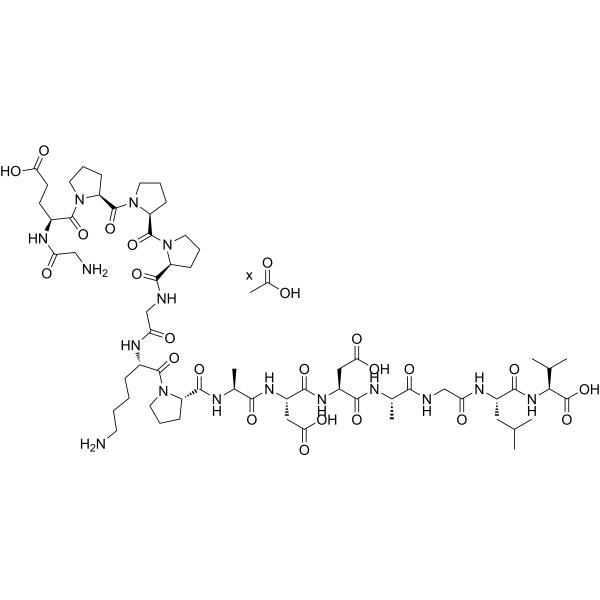
BPC 157 acetate is the acetate salt of BPC 157, a 15-amino acid fragment of gastric peptide BPC. It shows wound healing, neuroprotective, and gastrointestinal protective properties. Available in bulk and retail quantities from GMP manufacturer. For laboratory research use only.?If you need to place an order or inquire about wholesale product prices, specifications and uses, please contact our staff?

Description
BPC 157 acetate is the acetate salt form of BPC 157, a synthetic peptide fragment derived from the naturally occurring gastric protective protein known as “Body Protection Compound.” Comprising 15 amino acids, BPC 157 acetate has gained significant attention in biomedical research due to its regenerative, cytoprotective, and neuroprotective potential.
Researchers have demonstrated that BPC 157 acetate supports wound healing by accelerating angiogenesis, collagen synthesis, and tissue regeneration. It enhances recovery in musculoskeletal injuries such as tendon, ligament, and bone healing models, making it a valuable tool in experimental regenerative medicine.
In addition, BPC 157 acetate exhibits strong gastrointestinal protective properties. Studies indicate that it maintains the structural and functional integrity of the gastrointestinal mucosa under stress conditions, helping counteract damage from NSAIDs, ethanol exposure, and other harmful agents. Its unique protective role makes it highly relevant in gastrointestinal research models.
Neuroprotection is another area of interest. BPC 157 acetate has been shown to modulate neurotransmitter systems, including serotonergic and dopaminergic pathways. Through these mechanisms, it may mitigate neurological damage, behavioral disturbances, and neurotoxicity associated with overstimulation or chemical exposure.
Furthermore, BPC 157 acetate has been explored in research involving metabolic and systemic toxicity. It has demonstrated protective activity against insulin overdose, copper-induced toxicity, and various other chemically induced models of organ stress.
With a purity of 99%+ and GMP-compliant manufacturing, BPC 157 acetate is supplied in both bulk and retail formats for laboratory and experimental use. Its versatility across wound healing, gastrointestinal protection, and neurological research makes it a highly sought-after peptide in modern scientific investigations.
Note: BPC 157 acetate is strictly for laboratory research use and is not approved for human or veterinary administration.
Product Specifications
| Parameter | Details |
|---|---|
| Product Name | BPC 157 Acetate |
| CAS Number | 1628202-19-6 |
| Synonyms | Body Protection Compound 157 Acetate |
| Molecular Formula | C62H98N16O22 (for BPC 157 base; acetate salt form included) |
| Sequence | Gly-Glu-Pro-Pro-Pro-Gly-Lys-Pro-Ala-Asp-Asp-Ala-Gly-Leu-Val (15 AA) |
| Purity | ? 98.32% |
| Form | Acetate salt |
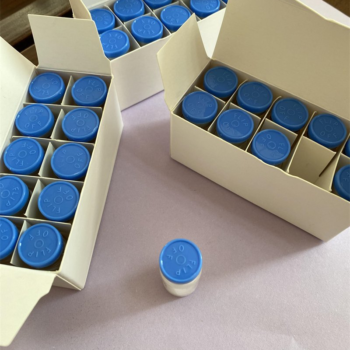
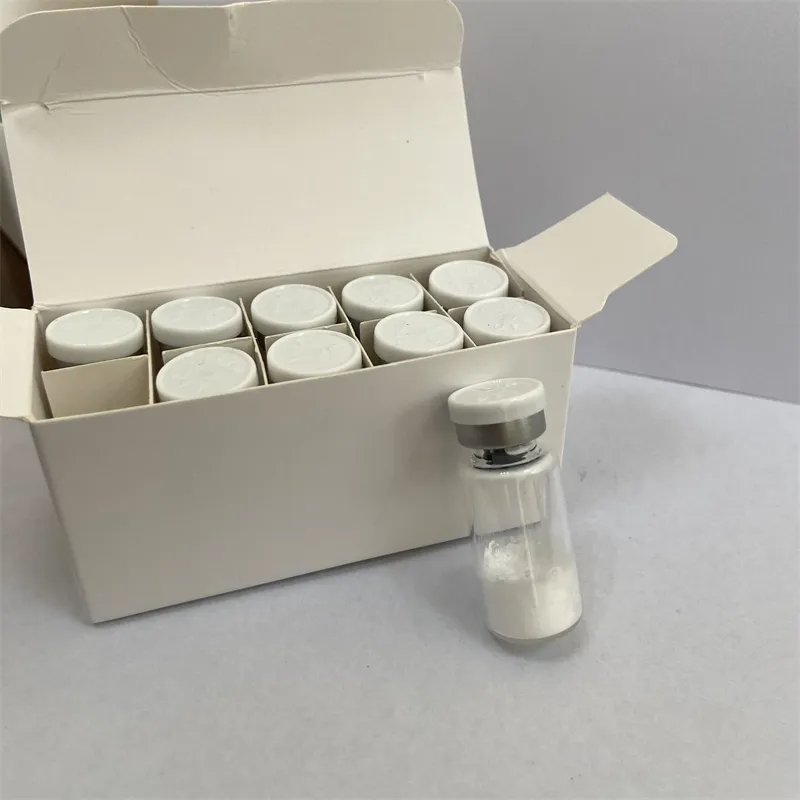
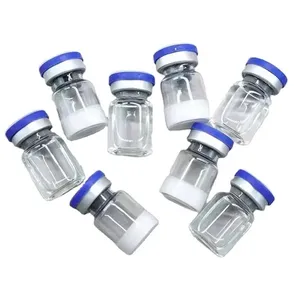
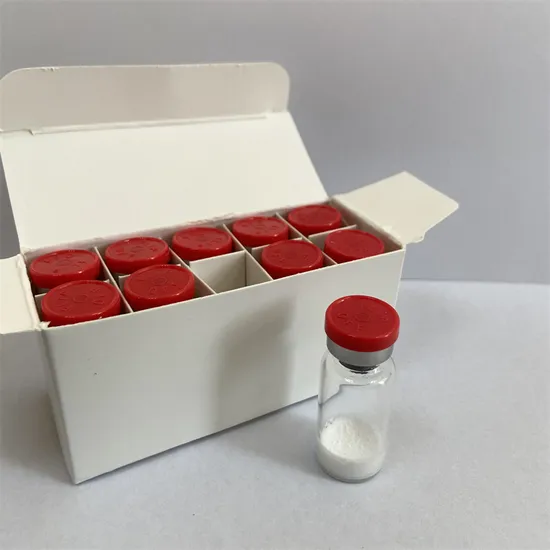
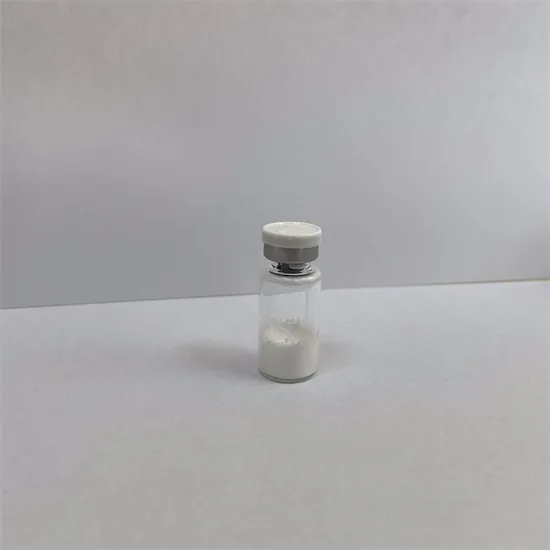
| Appearance | White to off-white lyophilized powder |
| Storage Condition | -20°C (long-term); protect from light and moisture |
| Grade | GMP-compliant research grade |
| Applications | Wound healing, gastrointestinal research, neuroprotection, toxicity models |
| Availability | Bulk and retail supply |
Mechanism of Action & Research Applications
BPC 157 acetate acts through multiple biological pathways, making it one of the most versatile peptides studied in experimental biology.
Wound Healing and Angiogenesis
BPC 157 acetate enhances angiogenesis (formation of new blood vessels), which accelerates tissue repair.
It supports fibroblast migration, collagen deposition, and extracellular matrix remodeling, processes crucial for tendon, ligament, and bone regeneration models.
Gastrointestinal Protection
The peptide protects the gastrointestinal mucosa from damage caused by NSAIDs, ethanol, and stress-related lesions.
It enhances blood flow to gastric tissues, supporting mucosal healing and preserving epithelial integrity.
Neuroprotection and Neurotransmitter Modulation
BPC 157 acetate interacts with the dopaminergic and serotonergic systems.
Research suggests it can mitigate behavioral changes caused by neurotoxic overstimulation, protect against seizure activity, and promote functional recovery in central nervous system injuries.
Toxicity Counteraction
Laboratory findings indicate that BPC 157 acetate can counteract systemic toxicity, including insulin overdose and copper-induced toxicity.
This makes it a valuable research tool in experimental toxicology.
Anti-Inflammatory Potential
BPC 157 acetate reduces inflammatory cytokine expression, thereby supporting tissue repair and regeneration under inflammatory stress conditions.
Research Applications:
Wound healing and musculoskeletal regeneration
Gastrointestinal protection and ulcer healing
Neurological research (dopaminergic and serotonergic models)
Toxicology and systemic stress models
Anti-inflammatory research

Side Effects (For Reference in Research Models)
In preclinical and experimental studies, BPC 157 acetate has shown a favorable safety profile. Notable points include:
Low toxicity: No significant systemic toxicity observed in animal studies.
Gastrointestinal tolerance: Promotes mucosal stability without evidence of irritation.
Neurological safety: No major adverse neurological events reported in preclinical models.
Potential limitations: Long-term safety in human administration is not established; hence, use is restricted to laboratory research only.
Disclaimer
is supplied for laboratory research use only. It is not intended for human consumption, medical use, or veterinary applications. Wholesale and retail supply available from GMP-compliant facilities.
Keywords
Buy BPC 157 acetate
GMP supplier
BPC 157 acetate wholesale
acetate research use
wound healing peptide
neuroprotective peptide
gastrointestinal protection
Additional information
| Weight | 0.8 kg |
|---|---|
| Dimensions | 53 × 82 × 53 cm |
2 reviews for BPC 157 Acetate | GMP Supplier & Manufacturer
Related products
Retatrutide cost with insurance
Retatrutide cost with insurance Original price was: $38.00.$26.00Current price is: $26.00.99% Pure Peptide Reta Trutide Epitalon in Stock Factory wholesale
Peptide Reta Purity 99%Over Original price was: $39.00.$26.00Current price is: $26.00.Tirzepatide Raw Material Factory: Low-Price Wholesale for High-Purity Peptides
Tirzepatide Compound CID: 163285897 MF: C225H348N48O68 diabetes [9][13][14][15] and for weight loss Original price was: $38.00.$23.00Current price is: $23.00.High Purity 99.9% Weight Loss Peptide – Raw Material Factory Wholesale at Low Price
Weight Loss Peptide Appearance:Lyophilized powder Grade Standard:Top Quality Original price was: $12.00.$9.80Current price is: $9.80.

shaunessyhart –
The product quality meets expectations, and communication was clear.
Kindie –
The parcel arrived very quickly.