
No products in the cart.
Sale
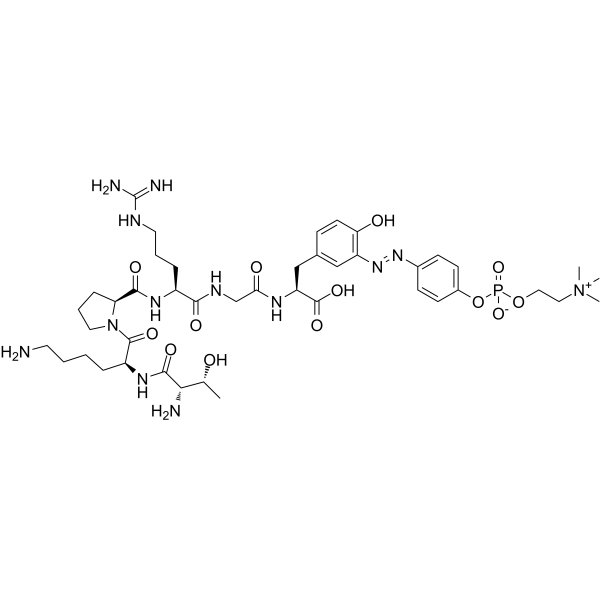
Dazdotuftide (CAS 2522933-44-2) | GMP Manufacturer/Supplier
Original price was: $20.00.$16.00Current price is: $16.00.
Dazdotuftide (TRS01) is a synthetic immunomodulatory compound that can modulate immune responses. Supplied by a GMP-certified manufacturer, it is suitable for preclinical research in immunology, inflammation, and translational immunotherapy studies.(Please contact our staff to place an order or learn about product wholesale prices, specifications, uses and lists)

Description
Product Description
Dazdotuftide (CAS 2522933-44-2, TRS01) is a synthetic small molecule compound with potent immunomodulatory properties. It functions by regulating key pathways in the immune system, influencing both innate and adaptive immune responses. Dazdotuftide is increasingly utilized in preclinical research to investigate immune regulation, inflammation control, and potential therapeutic interventions for autoimmune and inflammatory disorders.
Mechanistically, Dazdotuftide may modulate cytokine production, influence T-cell activation, and regulate inflammatory signaling pathways. By fine-tuning immune responses, it allows researchers to study disease models of chronic inflammation, autoimmune pathology, and immune-mediated tissue damage. Its potential applications extend to immunotherapy research, where modulation of immune checkpoints and cellular immunity is crucial.
Manufactured under GMP-certified conditions, Dazdotuftide ensures high purity, reproducibility, and stability for laboratory research. Supplied in lyophilized or powder form, it preserves its chemical integrity during storage and transport. Researchers may incorporate Dazdotuftide into cell-based assays, animal models, or mechanistic immunology studies to explore its effects on immune function and regulatory pathways.
Its experimental utility spans preclinical immunomodulation, translational immunotherapy models, inflammation research, and immune system mechanistic studies, making it a versatile reagent for both wholesale and retail laboratory use.
Disclaimer: For laboratory research use only, not for human or veterinary use.
Product Specifications
| Parameter | Details |
|---|---|
| Product Name | Dazdotuftide (TRS01) |
| Synonyms | TRS01, Dazdotuftide |
| CAS Number | 2522933-44-2 |
| Molecular Type | Synthetic small molecule |
| Purity | ? 98% (HPLC) |
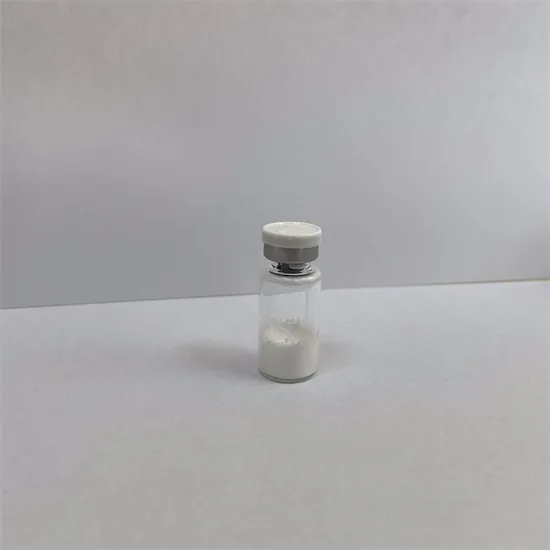
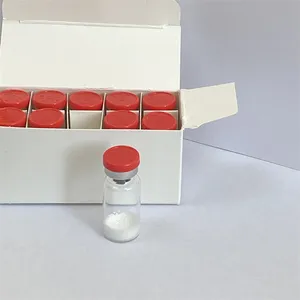
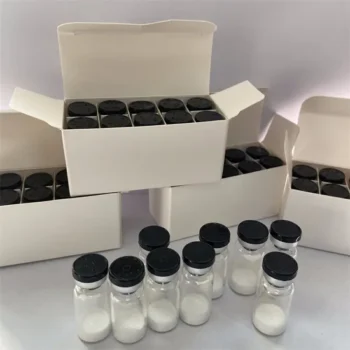
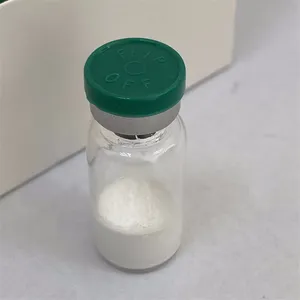
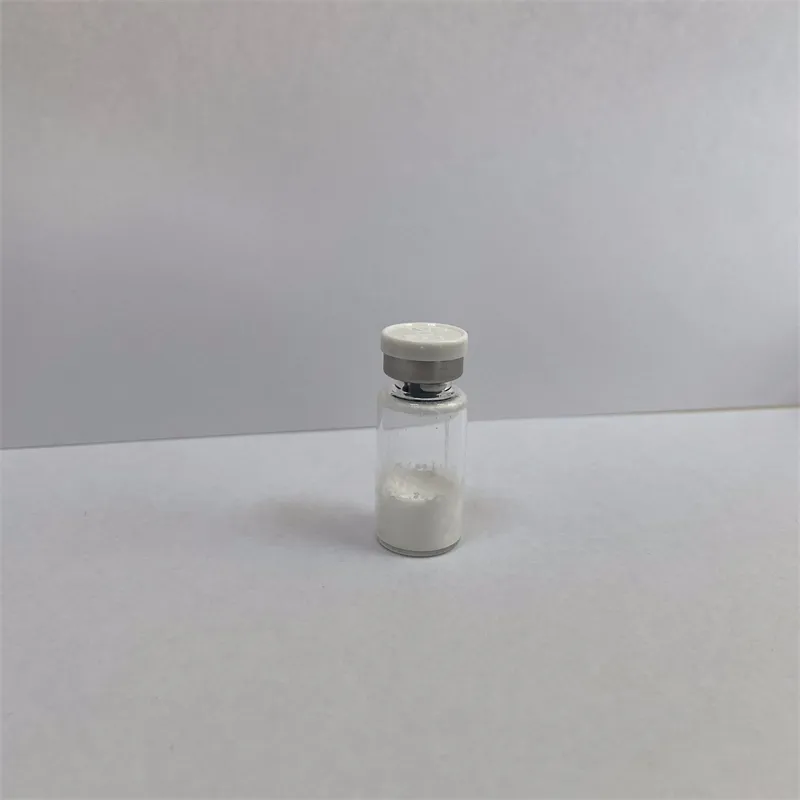
| Appearance | White to off-white lyophilized powder |
| Mechanism | Immunomodulator; regulates cytokines and immune signaling |
| Stability | Stable at -20°C; avoid repeated freeze-thaw cycles |
| Storage Conditions | Store at -20°C under inert atmosphere, protected from light and moisture |
| GMP Compliance | Produced in GMP-certified facility for high purity and reproducibility |
| Application | Laboratory research in immunomodulation, inflammation, autoimmune disease, and preclinical immunotherapy studies |
| Availability | Wholesale & retail supply |
| Solubility | Soluble in standard laboratory buffers or DMSO |
| Recommended Form | Lyophilized powder for stability and reproducibility |
| Research Models | Cell-based assays, animal models, immunology research |
Mechanism of Action & Research Applications
Mechanism of Action
Dazdotuftide acts as a potent immunomodulatory compound through the following mechanisms:
Cytokine modulation: Alters production of pro- and anti-inflammatory cytokines, balancing immune responses.
T-cell regulation: Modulates T-cell activation, differentiation, and proliferation in experimental models.
Inflammatory signaling regulation: Influences NF-?B, JAK/STAT, or other key immune signaling pathways.
Immune checkpoint modulation: May affect pathways related to immune tolerance and autoimmunity.
Innate immunity effects: Influences macrophage, dendritic cell, and NK cell activity in preclinical studies.
Research Applications
Immunomodulation studies: Assess regulatory effects on immune cell activation and cytokine profiles.
Autoimmune disease models: Evaluate potential therapeutic effects in preclinical autoimmune research.
Inflammation research: Investigate mechanisms underlying chronic and acute inflammatory conditions.
Translational immunotherapy models: Study immunomodulatory effects in combination with experimental therapies.
T-cell signaling studies: Explore T-cell differentiation, proliferation, and activation pathways.
Innate immunity research: Examine effects on macrophages, dendritic cells, and NK cells.
Cytokine profiling experiments: Quantify modulation of TNF-?, IL-6, IL-10, IFN-?, and other cytokines.
Cell-based assays: Test functional outcomes of immune modulation in vitro.
Animal models of immune disease: Assess systemic and tissue-specific immunomodulatory effects.
Mechanistic immune pathway research: Investigate NF-?B, JAK/STAT, or other signaling mechanisms.
Dazdotuftide’s versatility enables researchers to explore immune regulation, inflammatory responses, and potential preclinical immunotherapies across various experimental settings.
Side Effects (For Reference in Research Models)
In laboratory research, Dazdotuftide may induce the following experimental effects:
Altered cytokine levels: Changes in TNF-?, IL-6, IL-10, and IFN-? in dose-dependent manner.
T-cell modulation: Altered proliferation or differentiation of T lymphocytes.
Innate immunity effects: Changes in macrophage, dendritic cell, or NK cell activity.
Dose-dependent immune responses: High concentrations may enhance or suppress immune activity.
Inflammatory signaling modulation: Experimental changes in NF-?B or JAK/STAT pathways.
Note: These effects are strictly for laboratory research purposes and do not represent clinical safety or efficacy.
Keywords
Dazdotuftide
Dazdotuftide CAS 2522933-44-2
TRS01 immunomodulator
GMP supplier Dazdotuftide
Laboratory immune regulation peptide
Inflammation research compound
Autoimmune disease preclinical studies
Cytokine modulation peptide
Immunotherapy research reagent
Additional information
| Weight | 0.8 kg |
|---|---|
| Dimensions | 63 × 52 × 63 cm |
1 review for Dazdotuftide (CAS 2522933-44-2) | GMP Manufacturer/Supplier
Related products
High Purity 99.9% Weight Loss Peptide – Raw Material Factory Wholesale at Low Price
Weight Loss Peptide Appearance:Lyophilized powder Grade Standard:Top Quality Original price was: $12.00.$9.80Current price is: $9.80.Best Price with Peptides 10mg Vials – High-Purity Weight Loss Peptide in Stock with Safe Delivery
Weight Loss Peptide Moq: 10 vials per box Package: plastic or paper box Purity:99% Original price was: $36.00.$24.00Current price is: $24.00.Anti-Aging Peptide Raw Powder CAS 307297-39-8 Epitalon – Low Price Wholesale
Anti-Aging Moq:10 vials per box Appearance:Lyophilized powder Purity:99% Original price was: $29.00.$23.00Current price is: $23.00.Wholesale Cibinetide Peptide Sterile Solution
Cibinetide Sterile Solution is a synthetic, tissue-protective erythropoietin-derived peptide engineered for research use in inflammation, neuroprotection, and cellular stress-response models. Its high purity, GMP-compliant preparation, and ready-to-use sterile formulation make it ideal for laboratories requiring consistent, reproducible peptide performance in advanced mechanistic studies.(For research use only. Not for human or veterinary use) Original price was: $38.00.$22.00Current price is: $22.00.

hlaing –
Communication was clear throughout the process.