
No products in the cart.
Sale
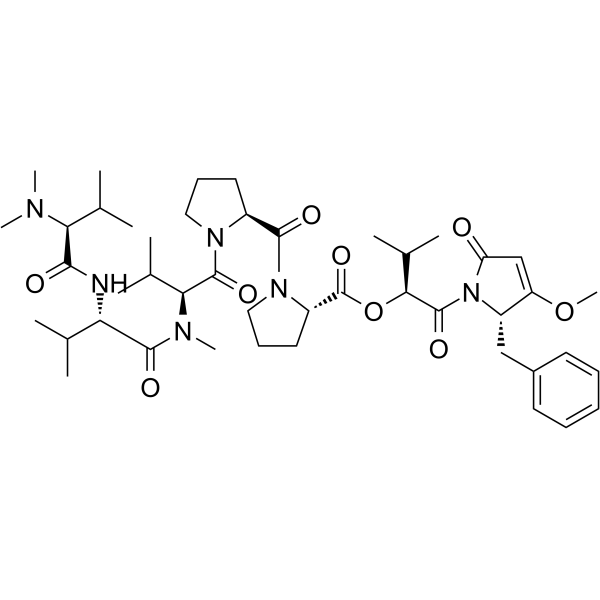
Dolastatin 15 (CAS 123884-00-4) | Potent Antimitotic ADC Cytotoxin | GMP Supplier
Original price was: $18.00.$16.00Current price is: $16.00.
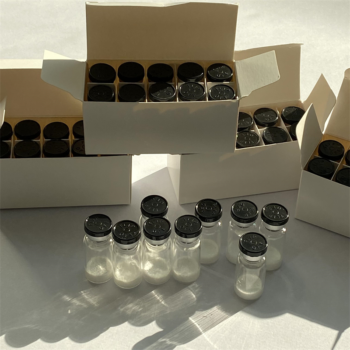
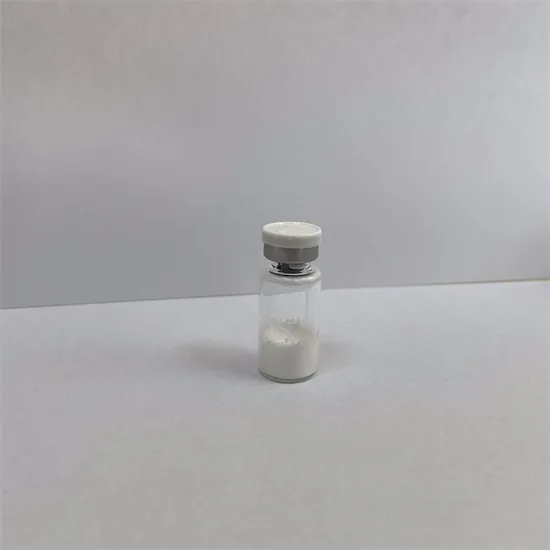
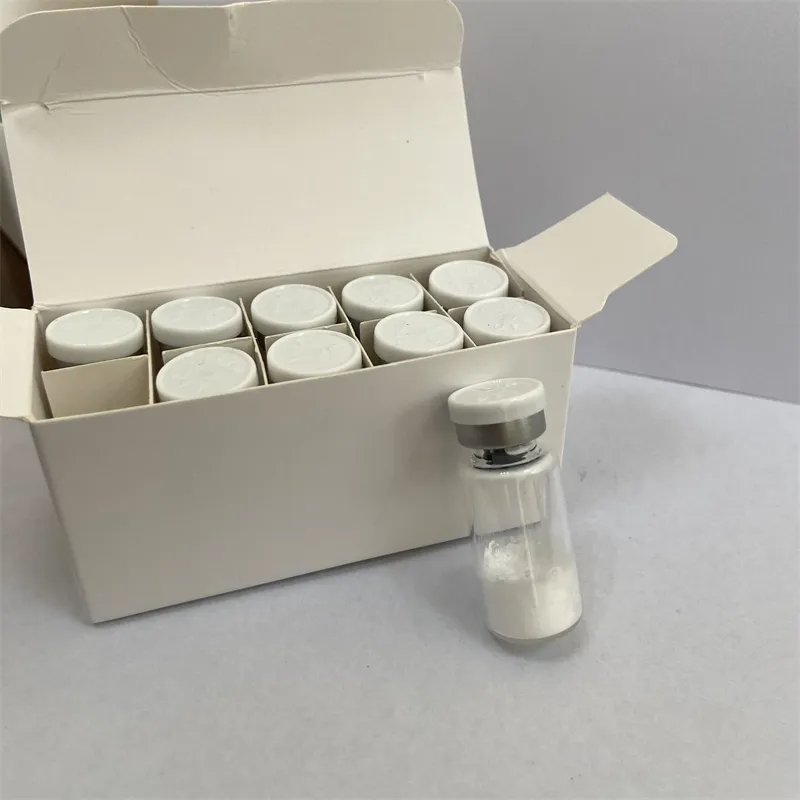
Dolastatin 15 (DLS 15) is a potent antimitotic depsipeptide structurally related to Dolastatin 10, designed for preclinical research. It induces cell cycle arrest and apoptosis in cancer cell lines, including multiple myeloma, and can be used as an ADC (antibody-drug conjugate) cytotoxin. Supplied in GMP-grade form for reproducible laboratory experiments, suitable for both wholesale and retail. For laboratory research use only.

Description
Product Description
Dolastatin 15 is a highly potent antimitotic agent derived from the marine mollusk Dolabella auricularia. As a depsipeptide, it belongs to a class of compounds known for strong cytotoxicity and unique mechanism of action. Structurally related to Dolastatin 10, Dolastatin 15 demonstrates selective interference with microtubule dynamics, making it a valuable tool for preclinical oncology research and ADC (antibody-drug conjugate) development.
The peptide exerts its cytotoxic effects primarily through tubulin binding and inhibition of microtubule polymerization, leading to cell cycle arrest at the G2/M phase and induction of apoptosis in tumor cells. Its high potency allows for effective experimental outcomes at low nanomolar concentrations, facilitating detailed mechanistic studies of mitotic inhibition, apoptotic pathways, and cytoskeletal disruption.
Preclinical studies have demonstrated that Dolastatin 15 is particularly effective in hematologic malignancy models, such as multiple myeloma and lymphoma. It has also been used in combination with antibody-based targeting systems, serving as the cytotoxic payload in antibody-drug conjugates (ADCs) to achieve targeted tumor cell killing while minimizing off-target toxicity.
The GMP-grade Dolastatin 15 ensures high purity, batch-to-batch consistency, and structural integrity, which are critical for reproducible laboratory research. Lyophilized powder allows for long-term storage and stability under standard laboratory conditions, supporting extensive in vitro and in vivo studies.
Dolastatin 15 also provides a platform for mechanistic studies in apoptosis, mitotic checkpoint regulation, and cell cycle progression. Researchers can use it to investigate molecular targets such as tubulin, cyclin-dependent kinases (CDKs), and apoptotic signaling proteins. Its combination with fluorescent markers or live-cell imaging allows visualization of mitotic spindle disruption, chromosomal missegregation, and apoptotic induction.
In addition, Dolastatin 15 is a versatile tool for drug discovery, particularly in oncology, enabling researchers to test novel delivery systems, ADC design strategies, and combination therapy protocols. Its chemical stability and reproducibility make it suitable for pharmacokinetic modeling and preclinical toxicology assays.
?? Disclaimer: For laboratory research use only. Not for human or veterinary use.
Product Specifications
| Parameter | Details |
|---|---|
| Product Name | Dolastatin 15 (DLS 15) |
| Synonyms | DLS 15, Dolastatin-15 |
| CAS Number | 123884-00-4 |
| Molecular Type | Depsipeptide |
| Purity | ? 98% (HPLC) |
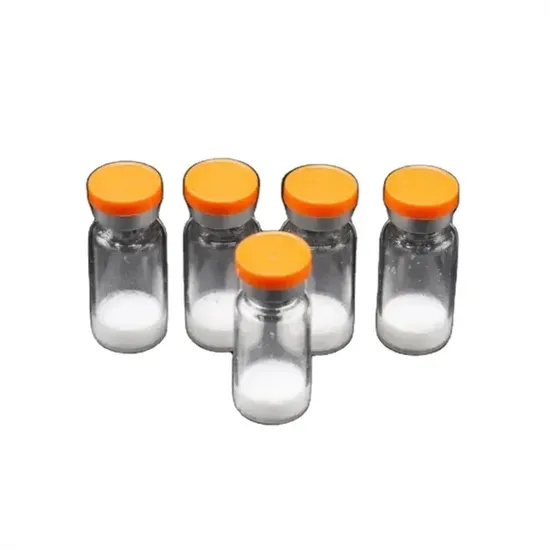
| Appearance | White to off-white lyophilized powder |
| Solubility | Soluble in DMSO and aqueous buffers |
| Stability | Stable ? 24 months in lyophilized form |
| Storage Conditions | Store at -20°C; avoid repeated freeze-thaw cycles |
| Mechanism | Microtubule inhibitor, antimitotic cytotoxin |
| GMP Compliance | Manufactured in GMP-certified facility |
| Application | Laboratory research in oncology, ADC cytotoxin development, multiple myeloma research |
| Experimental Models | Cell lines, xenograft mouse models, ADC conjugates |
| Safety Considerations | Standard laboratory precautions; research-use only |
Dolastatin 15’s specifications ensure consistent potency, reproducible cytotoxicity, and suitability for comprehensive oncology and ADC preclinical studies.
Mechanism of Action & Research Applications
Dolastatin 15’s primary mechanism involves microtubule inhibition, which disrupts the polymerization of tubulin filaments required for proper mitotic spindle formation. This disruption leads to cell cycle arrest at G2/M phase, preventing chromosomal segregation and triggering apoptotic pathways.
Key Mechanisms:
Tubulin Binding and Microtubule Disruption
Dolastatin 15 binds to tubulin dimers, preventing their polymerization into microtubules. This interferes with mitotic spindle assembly, causing mitotic arrest.Cell Cycle Arrest
Arrest occurs predominantly at the G2/M checkpoint, activating checkpoint proteins and stress response pathways, including p53, cyclin B1, and CDK1 regulation.Apoptosis Induction
Prolonged mitotic arrest triggers intrinsic apoptotic pathways via mitochondrial cytochrome c release, caspase activation, and DNA fragmentation.ADC Cytotoxin Application
Dolastatin 15 can be conjugated to antibodies, directing its cytotoxic effect specifically to tumor cells. This allows targeted apoptosis while minimizing systemic toxicity in preclinical models.
Research Applications:
Multiple Myeloma and Hematologic Malignancy Studies
Investigate cytotoxic effects in plasma cells, lymphomas, and other hematologic tumors.Antibody-Drug Conjugate Development
Serve as a potent payload for ADCs to study targeted cytotoxicity and pharmacodynamics.Mechanistic Studies of Mitotic Checkpoints
Explore tubulin dynamics, spindle assembly checkpoint proteins, and apoptotic signaling.In Vitro and In Vivo Pharmacology
Evaluate dose-response relationships, pharmacokinetics, and tissue-specific cytotoxicity in preclinical models.Drug Discovery Platform
Test new ADC linkers, drug delivery systems, and combination therapies with chemotherapeutic agents.Cell Cycle and Apoptosis Research
Analyze signaling pathways, cell cycle progression, and mitochondrial-mediated apoptosis.Preclinical Toxicology Studies
Assess off-target effects, cytotoxic thresholds, and safety profiles in controlled laboratory experiments.
Dolastatin 15’s combination of potency, selectivity, and stability makes it ideal for highly reproducible research in oncology, ADC cytotoxicity, and mechanistic studies of mitotic regulation.
Side Effects (For Reference in Research Models)
Experimental observations in preclinical models include:
Cytotoxicity
Dose-dependent apoptosis and cell death in tumor cell lines; careful titration required.Cell Cycle Perturbation
G2/M arrest with mitotic spindle abnormalities.Off-target Cytotoxicity
Potential effect on rapidly dividing normal cells in in vivo models; requires careful experimental design.Injection/Administration Reactions
Local tissue reactions may occur in animal models.Pharmacokinetic Considerations
Lyophilized Dolastatin 15 remains stable; repeated freeze-thaw cycles may affect activity.Combination Therapy Observations
Effects may vary when used with ADC linkers or chemotherapeutic agents.
?? These observations are strictly for laboratory research reference. Dolastatin 15 is not intended for human or veterinary use. Researchers should follow standard laboratory safety protocols.
Disclaimer
For laboratory research use only. Not for human or veterinary use. We do not sell to patients.
Keywords
Dolastatin 15
DLS 15 depsipeptide
Antimitotic cytotoxin
ADC cytotoxin research peptide
GMP supplier Dolastatin 15
Multiple myeloma research peptide
Preclinical oncology peptide
Microtubule inhibitor research
Laboratory apoptosis research peptide
Additional information
| Weight | 0.8 kg |
|---|---|
| Dimensions | 26 × 53 × 26 cm |
Related products
Tesamorelin Raw Material Factory: Low-Price Wholesale for High-Purity Peptides
Tesamorelin Egrifta; Tesamorelin; 218949-48-5; 804475-66-9; TH9507; ... Compound CID: 16137828 MF: C221H366N72O67S Original price was: $38.00.$23.00Current price is: $23.00.High Purity 99.9% Weight Loss Peptide – Raw Material Factory Wholesale at Low Price
Weight Loss Peptide Appearance:Lyophilized powder Grade Standard:Top Quality Original price was: $12.00.$9.80Current price is: $9.80.Semaglutide Raw Material Factory: Low-Price Wholesale for High-Purity Peptides
Semaglutide Compound CID: 56843331 MF: C187H291N45O59Purity: 99%
Form: Lyophilized powder
Dosage Options: 5mg, 10mg, 15mg per vial
Packaging: Secure box packaging
Shelf Life: 2 years (store in a cool, dry place)
MOQ: 1 box
Retatrutide cost with insurance
Retatrutide cost with insurance Original price was: $38.00.$26.00Current price is: $26.00.

Reviews
There are no reviews yet.