
No products in the cart.
Sale
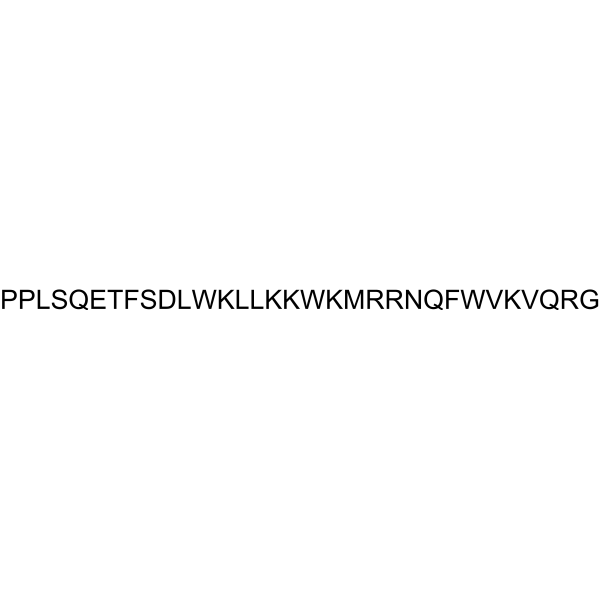
PNC-27 (CAS 1159861-00-3) | GMP Supplier & Manufacturer
Original price was: $20.00.$13.00Current price is: $13.00.
PNC-27 is a synthetic anticancer peptide combining a p53-derived sequence with the cell-penetrating penetratin domain. It binds HDM-2, disrupts cancer cell membranes via pore formation, and induces lysis with high selectivity. Supplied in GMP-grade form for reproducible cancer biology and acute myeloid leukemia research.

Description
Product Description
PNC-27 (CAS No. 1159861-00-3) is a chimeric therapeutic research peptide designed to model the tumor-suppressive functions of p53 while enhancing cell penetration and selectivity. It consists of a p53 peptide sequence fused to penetratin, a transduction domain known for facilitating intracellular delivery. This hybrid structure allows PNC-27 to mimic p53 tumor suppressor activity and directly induce cancer cell death.
Molecular Design and Origin
The peptide was engineered to bind HDM-2 (also known as MDM2), an oncogenic protein that normally degrades p53 and suppresses its activity. By mimicking p53’s binding interface, PNC-27 competitively associates with HDM-2, restoring tumor-suppressive signaling and destabilizing cancer cell survival pathways.
Unlike conventional small molecules, PNC-27 exhibits direct cytotoxicity through membrane pore formation. Upon binding HDM-2, it localizes to the cancer cell membrane, where it induces selective pore formation leading to osmotic imbalance, membrane rupture, and cell lysis. Notably, this activity shows selectivity for malignant cells, sparing normal tissues in multiple preclinical observations.
Research Relevance
Cancer Biology: Provides a model system for studying tumor-suppressor pathways.
Oncology Drug Discovery: Serves as a reference compound in peptide-based anticancer research.
Leukemia Models: Particularly relevant in acute myeloid leukemia (AML) research, where HDM-2 overexpression is common.
Membrane Biophysics: Allows researchers to study peptide-induced pore formation.
GMP-grade production ensures purity, consistency, and reproducibility, enabling preclinical investigations in both in vitro and in vivo models.
Disclaimer: For laboratory research use only. Not for human or veterinary use.
Product Specifications
| Parameter | Details |
|---|---|
| Product Name | PNC-27 |
| CAS Number | 1159861-00-3 |
| Synonyms | Chimeric p53-penetratin peptide |
| Molecular Type | Synthetic chimeric peptide |
| Target | HDM-2 (MDM2 oncoprotein) |
| Mechanism of Action | Binds HDM-2, induces selective membrane pore formation, cancer cell lysis |
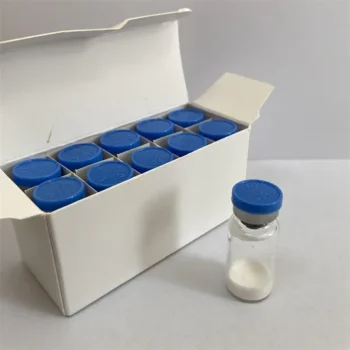
| Appearance | White to off-white lyophilized powder |
| Purity | 98% (HPLC) |
| Solubility | Soluble in aqueous buffers and DMSO |
| Stability | Stable 24 months (lyophilized) |
| Storage Conditions | Store at –20 °C; avoid repeated freeze-thaw cycles |
| GMP Compliance | Manufactured in GMP-certified facility |
| Applications | Oncology research, AML models, peptide therapeutics studies |
| Availability | Wholesale & retail supply |
| Experimental Models | AML cell lines, solid tumor xenografts, leukemia research |
| Safety Considerations | Laboratory research use only |
Mechanism of Action & Research Applications
PNC-27 represents a dual-function anticancer research peptide with unique molecular features:
Mechanism of Action
HDM-2 Binding
Mimics the p53 peptide structure to bind HDM-2.
Prevents HDM-2–mediated degradation of p53.
Restores tumor suppressor signaling.
Membrane Targeting
PNC-27 selectively associates with cancer cell membranes.
Incorporates into the lipid bilayer with high specificity.
Pore Formation and Cell Lysis
Induces pore formation across malignant cell membranes.
Causes osmotic imbalance, membrane rupture, and necrotic cell death.
Demonstrates selectivity: preferentially lyses malignant cells while sparing healthy cells.
Research Applications
Oncology Research: Provides a model for selective peptide-based anticancer activity.
Leukemia Studies: Evaluated for activity in acute myeloid leukemia cell lines and preclinical systems.
Cancer Cell Biology: Investigating mechanisms of pore-forming peptides.
Drug Resistance Studies: Exploring PNC-27 activity in multidrug-resistant cancer cells.
Translational Research: Potential insights into next-generation peptide therapeutics.


Side Effects (For Reference in Research Models)
In preclinical and in vitro research contexts, PNC-27 has shown:
Cancer Cell Selectivity: Strong lytic activity against malignant cells; negligible toxicity in normal cells at equivalent doses.
Membrane Sensitivity: Lysis depends on cell membrane composition and HDM-2 localization.
Dose-Dependent Cytotoxicity: Higher concentrations accelerate lytic kinetics.
Off-Target Risks: At supra-physiological doses, limited effects on normal cell membranes may occur.
Stability Considerations: Freeze-thaw cycles or prolonged exposure to aqueous solutions may reduce activity.
Experimental Variability: Activity levels differ among cancer cell types, requiring optimization in study design.
These data are derived from laboratory models only and do not imply clinical safety or efficacy.
Disclaimer
For laboratory research use only. Not for human or veterinary use.
Keywords
PNC-27
p53 penetratin chimeric peptide
HDM-2 binding peptide
Anticancer research peptide
Cancer cell lysis peptide
Acute myeloid leukemia research compound
GMP-grade PNC-27 supplier
Peptide pore-forming agent
Laboratory-only oncology peptide
Additional information
| Weight | 0.8 kg |
|---|---|
| Dimensions | 52 × 43 × 52 cm |
1. What is PNC-27?
PNC-27 is a chimeric p53-penetratin peptide designed for cancer research.
2. What is its CAS number?
1159861-00-3.
3. How does PNC-27 work?
It binds HDM-2, forms membrane pores, and selectively lyses cancer cells.
4. What makes PNC-27 selective for cancer cells?
Its pore formation mechanism preferentially targets malignant membranes with HDM-2 localization.
5. What are its main research applications?
AML models, solid tumor studies, and peptide-based anticancer research.
Related products
Best Price with Peptides 10mg Vials – High-Purity Weight Loss Peptide in Stock with Safe Delivery
Weight Loss Peptide Moq: 10 vials per box Package: plastic or paper box Purity:99% Original price was: $36.00.$24.00Current price is: $24.00.GLP-1 Retatrutide Weight Loss Slimming low price wholesale
GLP-1 peptide slimming product, 5mg 10mg 15mg vials, metabolic health- Application: Health Care Supplement
- Form: Disposable vials
- Dosages: 5mg, 10mg, 15mg
- Purity: >99%
Wholesales Weight Loss Peptides Raw Powder CAS 129954-34-3 with Safe Delivery
$2.00Function Weight Loss Peptides Color White Purity 99%OverTirzepatide Raw Material Factory: Low-Price Wholesale for High-Purity Peptides
Tirzepatide Compound CID: 163285897 MF: C225H348N48O68 diabetes [9][13][14][15] and for weight loss Original price was: $38.00.$23.00Current price is: $23.00.



Reviews
There are no reviews yet.