
No products in the cart.
Sale

Enavermotide (CAS 524060-93-3) | UCP2 Immunological Agent for Antineoplastic Research
Original price was: $28.00.$16.00Current price is: $16.00.
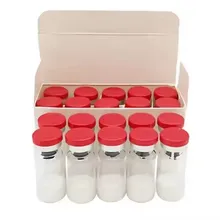
Enavermotide (UCP2) is a synthetic immunological agent developed for active immunization strategies in oncology research. It functions as a tumor-associated peptide, enabling laboratories to investigate immune activation against malignant cells. Supplied in GMP-grade quality, Enavermotide is ideal for research on cancer immunotherapy, vaccine design, and antineoplastic mechanisms. Available for wholesale and retail supply. For laboratory research use only.

Description
Product Description
Enavermotide (CAS 524060-93-3), also known as UCP2, is a novel immunological agent designed to facilitate active immunization against malignant cells in preclinical and translational cancer research. Unlike conventional chemotherapeutic drugs that directly target tumor growth, Enavermotide belongs to a new class of tumor-targeted immunopeptides, which stimulate the host immune system to identify and eliminate cancer cells.
The compound has been developed to mimic tumor-associated epitopes, enabling antigen presentation and T-cell mediated responses. By doing so, Enavermotide addresses one of the most critical aspects of cancer immunology: overcoming tumor immune evasion. Tumors often suppress or escape immune detection by downregulating antigen expression or modulating immune checkpoints. Agents such as Enavermotide provide a controlled platform for researchers to model and study mechanisms of tumor immunogenicity and immune reactivation.
Key research fields where Enavermotide has shown significance include:
Cancer vaccine research: Enavermotide acts as a peptide-based immunogen to evaluate tumor-specific immunity.
T-cell activation studies: Provides insights into how antigen presentation enhances cytotoxic responses against malignant cells.
Antineoplastic immunology: Facilitates the exploration of peptide-based immunotherapy as a complement or alternative to chemotherapy and checkpoint inhibitors.
Combination therapy modeling: Enables research into how peptide vaccines interact with checkpoint inhibitors, cytokine therapies, and adoptive T-cell transfer.
Mechanistically, Enavermotide is designed to trigger an adaptive immune response. The compound is processed and presented via MHC class I molecules, activating cytotoxic CD8+ T-cells, while also influencing CD4+ helper T-cell responses. This dual activation is critical for generating sustained antitumor immunity.
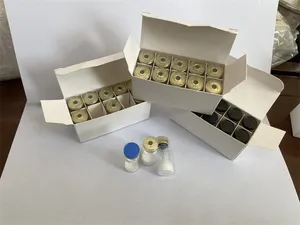
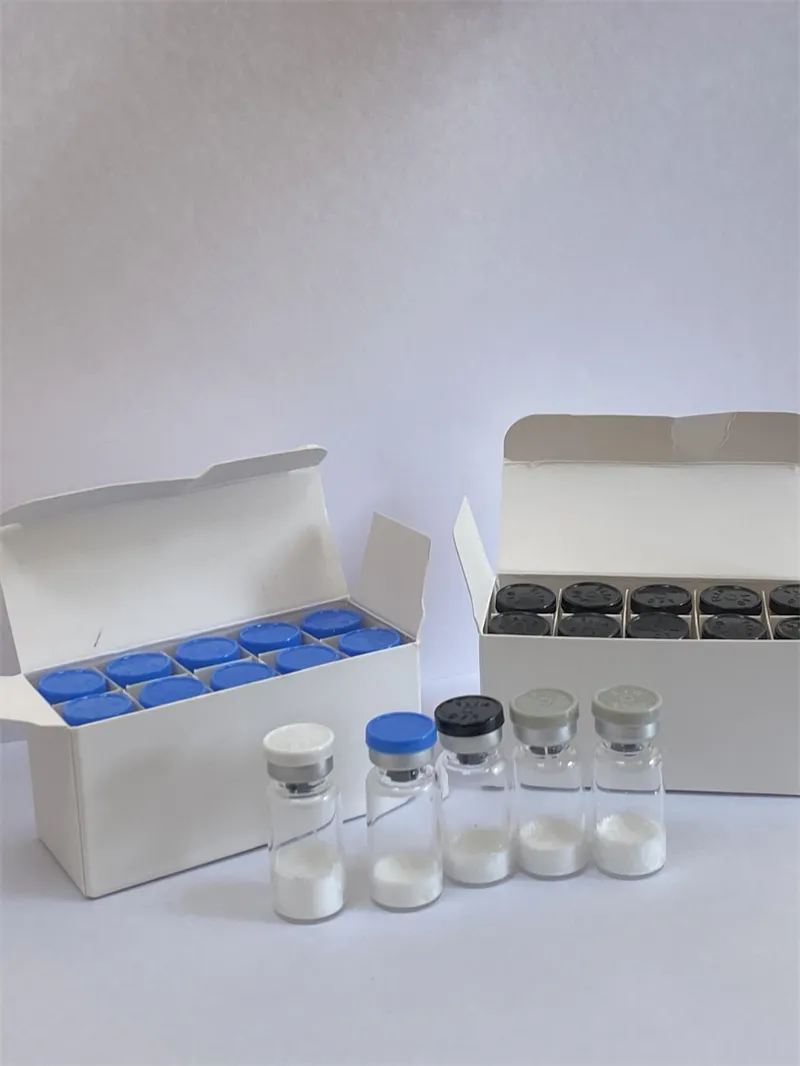
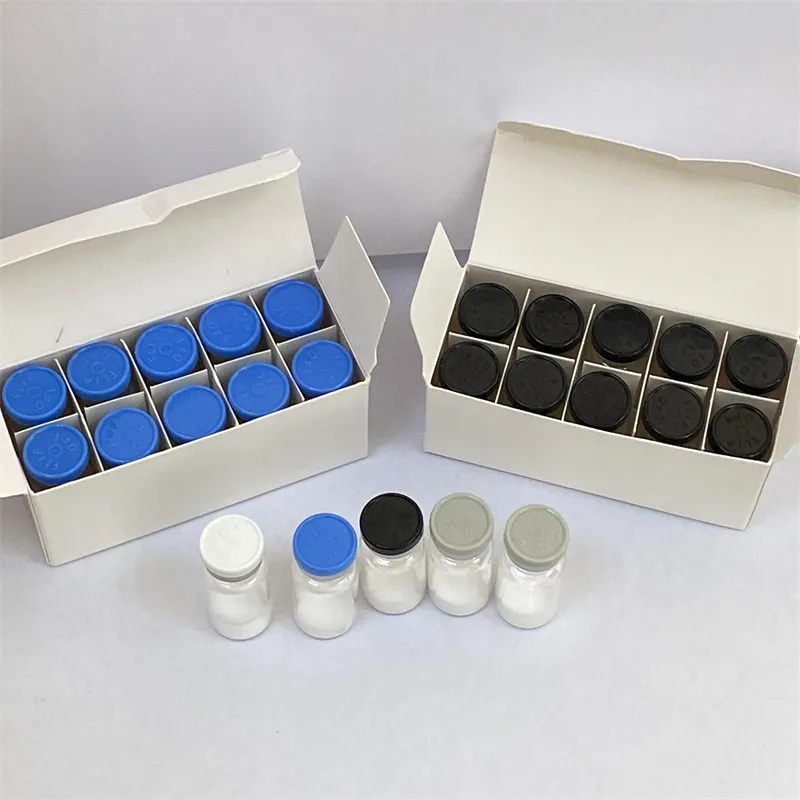
From a structural and chemical standpoint, Enavermotide is a synthetic peptide with a purity of ?98% (HPLC). The compound is provided as a lyophilized powder, ensuring long-term stability under standard storage conditions. Its solubility in aqueous buffers and DMSO makes it suitable for both in vitro assays and in vivo preclinical studies.
The development and supply of Enavermotide under GMP-grade conditions ensure batch-to-batch consistency, purity, and reproducibility—factors essential for laboratories conducting mechanistic studies and translational oncology research.
Preclinical applications have included tumor-bearing mouse models, peptide immunization experiments, and ex vivo T-cell activation assays. Research findings suggest that Enavermotide has the potential to enhance tumor antigen recognition, promote infiltration of cytotoxic lymphocytes, and reduce tumor progression in immunocompetent models.
By offering a reliable, high-purity immunological peptide, Enavermotide provides researchers with an indispensable tool to advance the field of cancer immunotherapy and vaccine development.
Product Specifications
| Parameter | Details |
|---|---|
| Product Name | Enavermotide (UCP2) |
| Synonyms | UCP2 peptide, tumor immunological peptide |
| CAS Number | 524060-93-3 |
| Molecular Type | Synthetic peptide, immunological agent |
| Purity | 98% (HPLC) |
| Appearance | White to off-white lyophilized powder |
| Solubility | Soluble in aqueous buffers, DMSO |
| Stability | Stable 24 months in lyophilized form |
| Storage Conditions | Store at -20°C; avoid repeated freeze-thaw cycles |
| Mechanism | Active immunization via T-cell mediated antitumor immunity |
| GMP Compliance | Manufactured in GMP-certified facility |
| Application | Oncology research, cancer vaccine design, immune response studies |
| Availability | Wholesale & retail supply |
| Experimental Models | In vitro T-cell assays, murine tumor models, translational cancer studies |
| Safety Considerations | Handle with standard laboratory precautions; research-use only |
Mechanism of Action & Research Applications
Mechanism of Action
Enavermotide’s activity is centered around its ability to initiate active immunization through peptide-mediated antigen presentation.
Antigen Presentation
Enavermotide is processed by antigen-presenting cells (APCs) such as dendritic cells. The peptide is loaded onto MHC class I molecules, which are then displayed on the cell surface for recognition by CD8+ T-cells.CD8+ Cytotoxic T-Cell Activation
Activated T-cells recognize tumor cells expressing similar epitopes and initiate cytotoxic killing through perforin and granzyme release.CD4+ Helper T-Cell Support
While primarily a CD8+ activator, Enavermotide also enhances CD4+ helper responses, which contribute to cytokine production (IL-2, IFN-?) and long-term immune memory.Immune Modulation
By increasing tumor immunogenicity, Enavermotide can overcome immune suppression mediated by checkpoint molecules (PD-1/PD-L1, CTLA-4), providing opportunities for synergistic therapy models.
Research Applications
Cancer Vaccine Development
Evaluate tumor-targeted immunization strategies for melanoma, lung cancer, breast cancer, and other malignancies.Immunotherapy Studies
Investigate how peptide immunization enhances responsiveness to checkpoint inhibitors.T-cell Biology
Study antigen-specific T-cell activation, memory generation, and clonal expansion.Tumor Microenvironment Research
Assess how immunization alters tumor infiltration by lymphocytes, macrophages, and dendritic cells.Combination Therapies
Explore integration with cytokine therapy, adoptive cell transfer, and monoclonal antibodies.Translational Oncology
Provide insights into designing next-generation cancer immunotherapies with better efficacy and safety profiles.

Side Effects (For Research Reference)
In preclinical studies, Enavermotide has been associated with several research-observed effects:
Local Inflammation: Injection site reactions (erythema, edema) are common in peptide immunization models.
Cytokine Release: Elevated cytokine levels may induce flu-like symptoms in animal models.
Autoimmunity Risk: Strong T-cell activation may cause off-target tissue effects in some experiments.
Tumor Lysis Effects: Rapid immune responses can lead to necrosis and inflammation in tumor-bearing models.
Systemic Immune Activation: Potential for transient fever, malaise, or lymphadenopathy in animal studies.
Note: These findings are strictly experimental observations. Enavermotide is not for human or veterinary use.
Disclaimer
For laboratory research use only. Not for human or veterinary use.
Keywords
- Enavermotide CAS 524060-93-3
UCP2 peptide
Antineoplastic immunological peptide
Cancer vaccine research peptide
GMP supplier Enavermotide
Immunotherapy research peptide
Tumor antigen peptide
Laboratory oncology peptide
Preclinical cancer immunology peptide

Additional information
| Weight | 0.8 kg |
|---|---|
| Dimensions | 26 × 36 × 26 cm |
What is Enavermotide?
A synthetic immunological peptide for active immunization studies in cancer research.
What is its CAS number?
CAS No. 524060-93-3.
What does UCP2 stand for?
It refers to Enavermotide’s designation as a tumor-associated immunological peptide.
What is its main research application?
Cancer vaccine development and antineoplastic immunology.
Is Enavermotide GMP-certified?
Yes, manufactured in GMP-certified facilities for reproducibility.
Related products
Top Quality Peptides Lyophilized Powder – Reta Trutide Fitness and Weight Loss Peptide in Stock | Factory Wholesale
Peptides Function Weight Loss Peptides Moq:10 vials per box Original price was: $38.00.$22.00Current price is: $22.00.Anti-Aging Peptide Raw Powder CAS 307297-39-8 Epitalon – Low Price Wholesale
Anti-Aging Moq:10 vials per box Appearance:Lyophilized powder Purity:99% Original price was: $29.00.$23.00Current price is: $23.00.99.9% Effective Weight Loss Shaping Peptide – Beauty Peptide Factory Direct Low Price Wholesale
Peptide Purity 99% Specification 5mg/vial, 10mg/vial, 15mg/vial Original price was: $38.00.$23.00Current price is: $23.00.USA-Peptide-Janoshik Lyophilized Peptide Raw Powder for Muscle Building & Weight Loss
Lyophilized peptide raw powder Moq:10 vials per box Appearance:Lyophilized powder Original price was: $32.00.$24.00Current price is: $24.00.


Reviews
There are no reviews yet.