
No products in the cart.
Sale

PNC-28 | CAS No. 392661-17-5
Original price was: $37.00.$26.00Current price is: $26.00.
PNC-28 is a p53-derived peptide containing a penetratin sequence. It selectively targets cancer cells through membrane disruption and apoptosis induction, with particular application in pancreatic cancer research. Both free peptide and acetate salt forms are biologically active, with the acetate form offering superior solubility and stability.

Description
Contents
hide
Product Description
PNC-28 (CAS 392661-17-5) is a synthetic peptide originally engineered from the mdm-2-binding domain (residues 17–26) of the tumor suppressor protein p53, conjugated with a penetratin sequence that enables efficient crossing of cellular membranes. The rationale behind its design is based on targeting p53-mdm2 interactions, a central regulatory mechanism in cancer biology.
Background on p53 and MDM2
p53 is a tumor suppressor protein that regulates the cell cycle, DNA repair, and apoptosis.
MDM2 is an E3 ubiquitin ligase that binds p53, promoting its degradation and inhibiting its tumor-suppressive activity.
In many cancers, overexpression of MDM2 leads to functional inactivation of p53, facilitating tumor survival and progression.
PNC-28 interrupts this critical interaction by mimicking the p53 binding motif while incorporating a penetratin sequence for cell entry. Importantly, it demonstrates tumor-selective cytotoxicity, with minimal effects on normal cells.
Research Applications
Pancreatic Cancer
One of the deadliest cancers with limited treatment options.
PNC-28 induces necrosis-like cell death in pancreatic cancer cell lines.
Preclinical models demonstrate its potential as a novel therapeutic peptide.
Mechanistic Cancer Studies
Used to study p53-MDM2 dynamics.
Explores mechanisms of membrane disruption, mitochondrial damage, and apoptosis induction.
Drug Formulation Research
Comparison between free form and acetate salt form:
Both exhibit comparable biological activity.
Acetate form demonstrates enhanced solubility, stability, and ease of formulation.
Broader Oncology Models
Beyond pancreatic cancer, PNC-28 has shown activity in breast cancer, glioblastoma, and other malignancies.
Serves as a tool compound in cancer biology laboratories.
Product Specifications
| Item | Details |
|---|---|
| Product Name | PNC-28 |
| CAS No. | 392661-17-5 |
| Synonyms | p53-derived penetratin peptide, PNC-28 acetate (salt form) |
| Sequence Origin | p53 residues 17–26 fused with penetratin sequence |
| Molecular Type | Synthetic peptide |
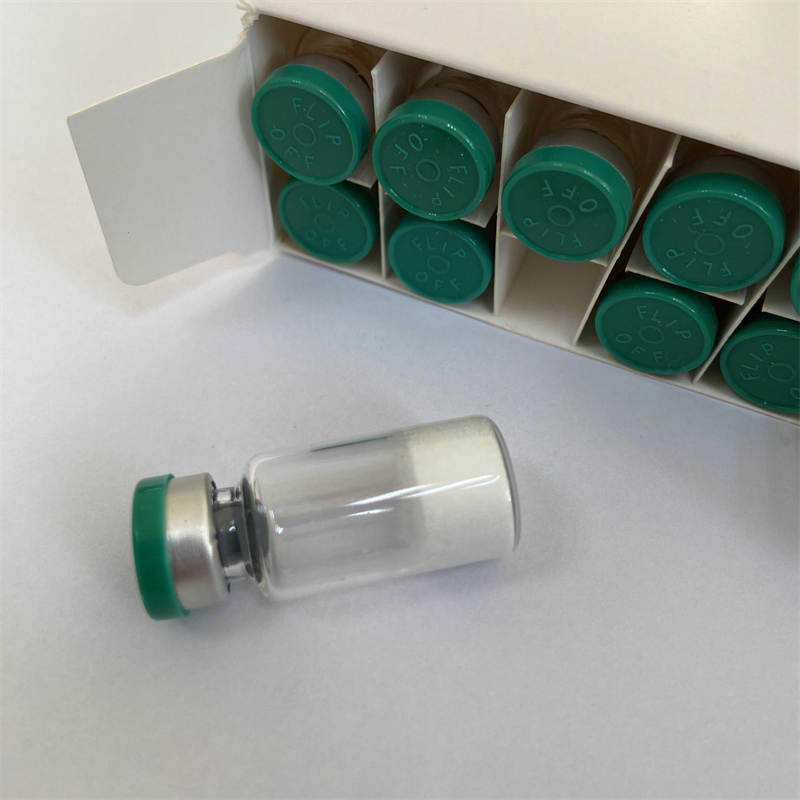
| Appearance | Lyophilized powder |
| Purity | ≥95% (HPLC) |
| Solubility | Soluble in aqueous buffers (acetate form more soluble) |
| Storage | -20°C to -80°C, desiccated, protected from light |
| Stability | Stable for 12 months under recommended conditions |
| Applications | Pancreatic cancer research, oncology, apoptosis studies, peptide-based therapeutics |
Notes
Supplied in free peptide and acetate salt forms.
Salt form enhances water solubility and stability.
For laboratory research use only.
Mechanism of Action
PNC-28 operates primarily via direct disruption of cancer cell membranes and induction of cell death, independent of canonical p53 pathways.
Cell Penetration
The penetratin sequence facilitates efficient translocation across cancer cell membranes.
Cancer cells demonstrate higher uptake due to altered membrane characteristics.
Membrane Disruption
PNC-28 inserts into the plasma membrane of tumor cells.
Leads to membrane destabilization, pore formation, and necrosis-like death.
Mitochondrial Damage
Induces loss of mitochondrial membrane potential.
Promotes release of cytochrome c and subsequent apoptotic cascades.
p53-MDM2 Pathway Interference
Mimics p53’s MDM2 binding domain, thereby blocking MDM2-mediated degradation of p53.
Stabilizes p53 activity, restoring its tumor-suppressor functions.
Tumor Selectivity
PNC-28 preferentially kills cancer cells while sparing normal cells.
Selectivity is attributed to differences in membrane composition between cancer and healthy cells.
Comparison of Free vs. Acetate Form
Free PNC-28: biologically active, but less stable in aqueous environments.
Acetate salt form: retains equal biological activity with superior solubility and shelf-life, making it more practical for experimental applications.


Side Effects
Research Observations
In vitro, PNC-28 demonstrates strong tumor-selective activity with minimal toxicity to normal fibroblasts and epithelial cells.
In vivo preclinical studies indicate potential for dose-dependent cytotoxic effects.
Potential Research Risks
May induce off-target membrane disruption at very high concentrations.
Long-term systemic administration effects remain under investigation.
Variability in cell line response requires careful optimization of dosing.
Laboratory Safety Notes
Handle under sterile conditions.
Not approved for therapeutic use in humans.
Use appropriate protective equipment.
Disclaimer
This product is intended for research purposes only. PNC-28 is not approved for clinical or diagnostic use in humans.
Keywords
PNC-28, CAS 392661-17-5, p53-derived peptide, MDM2 binding peptide, penetratin fusion peptide, PNC-28 acetate, pancreatic cancer research peptide, tumor-selective cytotoxic peptide.
Shipping Guarantee
We provide reliable global shipping services:
Customs-Cleared & Tax-Inclusive deliveries.
100% Compensation for any loss or damage in transit.
Trackable and efficient international logistics.
Transaction Guarantee
We support secure and flexible payment methods:
T/T bank transfer
PayPal
Cryptocurrency (BTC, ETH, USDT, etc.)
Additional methods available on request
We ensure safe, transparent, and convenient transactions for all research products.
Additional information
| Weight | 0.7 kg |
|---|---|
| Dimensions | 86 × 56 × 86 cm |
What is PNC-28?
PNC-28 is a p53-derived peptide fused with a penetratin sequence, designed to selectively kill cancer cells.
What is its CAS number?
392661-17-5.
What is the main research use of PNC-28?
It is primarily used for pancreatic cancer research, but also in studies of other tumors.
How does PNC-28 work?
It disrupts cancer cell membranes, induces mitochondrial damage, and stabilizes p53 by interfering with MDM2 binding.
Is PNC-28 selective for cancer cells?
Yes, studies show tumor-selective cytotoxicity with minimal effects on normal cells.
What is the difference between PNC-28 and PNC-28 acetate?
Both have comparable biological activity, but the acetate form is more water-soluble and stable.
Is PNC-28 used in clinical therapy?
No, it is only used for laboratory research.
What is the purity of the product?
≥95% confirmed by HPLC.
How should PNC-28 be stored?
At -20°C to -80°C, protected from light and moisture.
Can PNC-28 be used in apoptosis research?
Yes, it is widely used to study apoptosis, membrane disruption, and mitochondrial pathways.
Is PNC-28 safe for human use?
No, it is strictly for research purposes only.
Related products
Cosmetic Peptide Raw Material Factory – Low Price Wholesale Direct from China
Cosmetic Peptide Appearance: Lyophilized powder Dose 2mg 5mg 10mg 15mg 20mg Higher Original price was: $42.00.$22.00Current price is: $22.00.Tesamorelin Raw Material Factory: Low-Price Wholesale for High-Purity Peptides
Tesamorelin Egrifta; Tesamorelin; 218949-48-5; 804475-66-9; TH9507; ... Compound CID: 16137828 MF: C221H366N72O67S Original price was: $38.00.$23.00Current price is: $23.00.GLP-1/GIP/glucagon combination therapy The Future of Metabolic Treatment (Wholesale Supplier Guide)
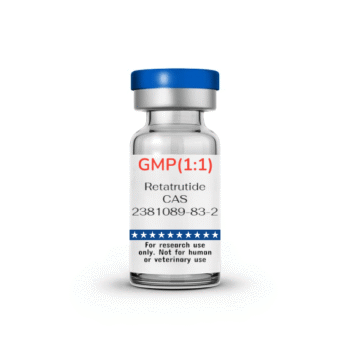
GLP-1/GIP/glucagon combination therapy Original price was: $38.00.$23.00Current price is: $23.00.Retatrutide | CAS 2381089-83-2 | Dual GLP-1/GIP/Glucagon Receptor Agonist
Retatrutide (CAS 2381089-83-2) is a high-purity research-grade peptide optimized for in vitro mechanistic studies. It supports investigations into signal transduction, receptor interactions, and molecular pathway modulation. Supplied as a lyophilized powder, it ensures stability and reproducibility for laboratory research applications. Original price was: $14.00.$12.00Current price is: $12.00.



Reviews
There are no reviews yet.