
No products in the cart.
Sale
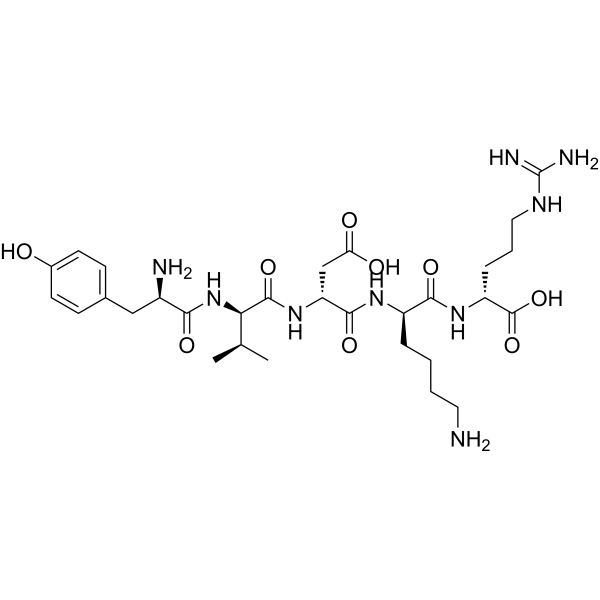
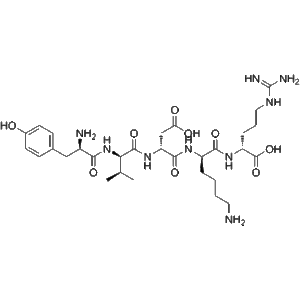
Riztunitide | CAS No. 2963586-07-2
Original price was: $36.00.$23.00Current price is: $23.00.
Riztunitide is an experimental peptide showing significant anti-inflammatory activity. It is valuable for studies on immune regulation, chronic inflammatory diseases, and therapeutic peptide development.

Description
Product Description
Riztunitide is a synthetic peptide that has been identified as a promising candidate for the study of inflammatory processes and immune system modulation. Inflammation is a highly conserved biological response, essential for host defense against pathogens and injury repair. However, uncontrolled or chronic inflammation is a hallmark of numerous pathological conditions, including autoimmune diseases, metabolic syndromes, neuroinflammation, cardiovascular disorders, and cancer.
As an anti-inflammatory peptide, Riztunitide has drawn attention from researchers due to its potential ability to:
Suppress excessive pro-inflammatory cytokine production (e.g., TNF-α, IL-1β, IL-6).
Enhance anti-inflammatory mediators such as IL-10.
Regulate the activation of innate immune cells (macrophages, neutrophils, dendritic cells).
Interfere with chronic inflammatory signaling pathways such as NF-κB, JAK/STAT, and MAPK.
Importance of Anti-Inflammatory Peptides
Conventional anti-inflammatory agents, such as NSAIDs and corticosteroids, often carry risks of gastrointestinal, renal, and metabolic side effects. Peptides like Riztunitide offer advantages:
High specificity – targeting defined molecular pathways.
Reduced systemic toxicity – biodegradable and less likely to accumulate in tissues.
Versatility – can be engineered for enhanced stability, bioavailability, or conjugation with drug carriers.
Research Applications of Riztunitide
Autoimmune Disease Models: Potential for investigating mechanisms in rheumatoid arthritis, lupus, and inflammatory bowel disease (IBD).
Neuroinflammation Studies: Useful in research on Alzheimer’s disease, multiple sclerosis, and Parkinson’s disease.
Cardiovascular Inflammation: Exploring its role in atherosclerosis and myocardial injury.
Cancer Research: Chronic inflammation drives tumor microenvironment remodeling; Riztunitide may provide new insights.
Drug Delivery & Peptide Engineering: Its structure may inspire next-generation bioactive peptides.
By serving as a tool for basic science, translational medicine, and therapeutic discovery, Riztunitide expands the toolkit available for inflammation research.
Product Specifications
| Parameter | Details |
|---|---|
| Product Name | Riztunitide |
| CAS No. | 2963586-07-2 |
| Molecular Type | Synthetic peptide |
| Activity | Anti-inflammatory |
| Mechanism | Suppresses pro-inflammatory signaling pathways, promotes immune homeostasis |
| Applications | Immunology, inflammation research, autoimmune disease models |
| Appearance | Lyophilized powder |
| Purity | ≥98% (HPLC validated) |
| Solubility | Soluble in water, PBS, DMSO |
| Stability | Stable for ≥12 months at -20°C |
| Storage | -20°C, avoid light and moisture |
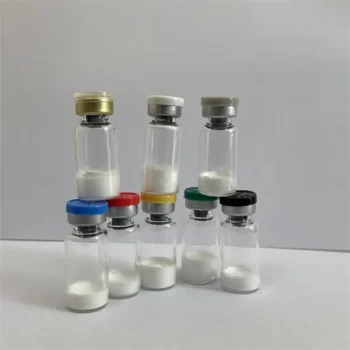
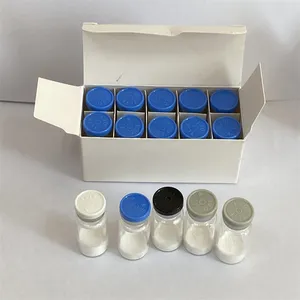
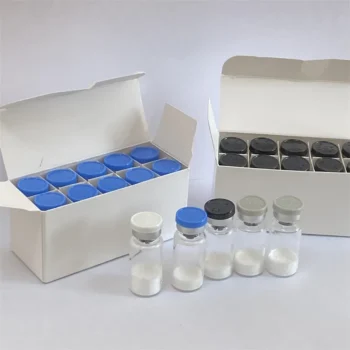
| Delivery Form | Sealed sterile vials |
| Quality Control | HPLC, Mass spectrometry, Bioactivity assays |
Extended Notes
Purity: High analytical validation ensures consistent results in experimental systems.
Solubility Profile: Compatible with both in vitro assays and in vivo models.
Stability: Lyophilized form allows extended shelf-life, with minimal degradation.
Research Versatility: Can be studied as a free peptide, nanoparticle conjugate, or fusion protein.
Mechanism of Action
The anti-inflammatory activity of Riztunitide is attributed to its regulation of cytokine expression and intracellular signaling cascades.
Cytokine Modulation
Downregulates TNF-α, IL-1β, IL-6 production.
Upregulates IL-10, a key anti-inflammatory cytokine.
Signal Pathway Interference
NF-κB inhibition: Prevents nuclear translocation of NF-κB, reducing pro-inflammatory gene transcription.
JAK/STAT modulation: Alters STAT3 activation, balancing immune responses.
MAPK regulation: Dampens ERK and p38 MAPK pathways associated with inflammation.
Innate Immune Cell Regulation
Modulates macrophage polarization from M1 (pro-inflammatory) to M2 (anti-inflammatory) phenotype.
Suppresses neutrophil overactivation, thereby limiting tissue damage.
Adaptive Immunity Balance
Influences T-cell subsets, potentially reducing Th17-mediated autoimmunity.
This multi-faceted mechanism highlights Riztunitide’s value in modeling complex immune-inflammatory networks in chronic disease.
Side Effects
As Riztunitide is for research use only, comprehensive safety data is not established. However, based on the pharmacology of similar peptides, potential considerations include:
Immune Suppression: Over-inhibition of inflammation could increase susceptibility to infections.
Allergic Reactions: Peptides may cause hypersensitivity responses in some animal models.
Off-Target Effects: Possible unintended modulation of cytokines outside the target pathway.
Dose-Dependent Toxicity: High concentrations may affect cellular viability in vitro.
Laboratory Safety Notes
Handle with appropriate protective equipment.
Dispose of unused material in compliance with biosafety protocols.
Not intended for diagnostic or therapeutic use in humans.
Disclaimer
For laboratory research use only. Not for human, veterinary, or clinical use.
Keywords
Riztunitide, anti-inflammatory peptide, immune regulation, cytokine inhibitor, NF-κB pathway, autoimmune research, inflammation modulator.
Shipping Guarantee
All products are shipped with double customs clearance and tax included. Customers do not need to submit extra import documents. Any loss or damage during shipping is fully compensated.
Transaction Guarantee
We support T/T, PayPal, cryptocurrency, and other secure payment methods. Please contact staff for additional options.

Additional information
| Weight | 0.8 kg |
|---|---|
| Dimensions | 56 × 26 × 56 cm |
1. What is Riztunitide?
Riztunitide is a synthetic peptide with demonstrated anti-inflammatory activity.
2. What is its CAS number?
2963586-07-2.
3. What is the main research application of Riztunitide?
It is used in inflammation and immune regulation research.
4. How does Riztunitide work?
It modulates cytokine release and interferes with inflammatory signaling pathways like NF-κB.
5. Can Riztunitide be used in autoimmune disease models?
Yes, it is promising for rheumatoid arthritis, lupus, and IBD studies.
6. Is it approved for medical use?
No, it is for laboratory research only.
7. What are its storage conditions?
Store at -20°C, protected from light and moisture.
8. What analytical methods confirm its purity?
HPLC and mass spectrometry validation.
9. Does it have potential in neuroinflammation research?
Yes, it may be studied in Alzheimer’s, Parkinson’s, and multiple sclerosis models.
10. What are possible side effects?
Immune suppression, allergic reactions, or dose-dependent cytotoxicity in research contexts.
11. What makes Riztunitide unique compared to NSAIDs?
It is peptide-based, with higher specificity and potentially fewer systemic toxicities.
12. Can Riztunitide be used in cancer research?
Yes, as chronic inflammation contributes to tumor microenvironment studies.
Related products
USA-Peptide-Janoshik Lyophilized Peptide Raw Powder for Muscle Building & Weight Loss
Lyophilized peptide raw powder Moq:10 vials per box Appearance:Lyophilized powder Original price was: $32.00.$24.00Current price is: $24.00.Factory Supply Peptide Healthcare 99% with Safe Delivery
Peptide Healthcare Usage Delta-Sleep Inducing Peptides Purity 99%Over Dose 2mg 5mg 10mg 15mg 20mg Highe Original price was: $28.00.$23.00Current price is: $23.00.Semaglutide finished product (lyophilized powder) wholesale Supplier
Semaglutide finished product (lyophilized powder) wholesale $1.00High Purity Weight Loss Peptide Reta, Trutide, GHK-Cu, Epitalon Peptide – The Ultimate Solution for Effective Weight Loss and Anti-Aging
Weight Loss Peptide Function Dose 2mg 5mg 10mg 15mg 20mg Higher Original price was: $36.00.$25.00Current price is: $25.00.


Reviews
There are no reviews yet.