
No products in the cart.
Sale
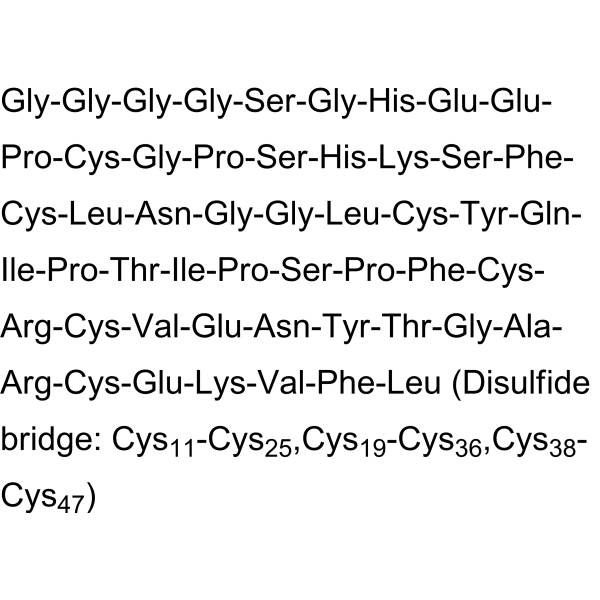
Rugecitide | CAS No. 2938226-27-6
Original price was: $36.00.$22.00Current price is: $22.00.
Rugecitide is a neuregulin 4 (NRG4) analog peptide. It plays a role in metabolic signaling and energy balance, making it a valuable tool in the study of obesity, diabetes, and related metabolic disorders.

Description
Product Description
The regulation of energy balance and glucose metabolism is central to understanding and addressing the global epidemics of obesity and type 2 diabetes mellitus (T2DM). Among the multiple regulatory pathways studied in recent years, neuregulins (NRGs) have emerged as key players in intercellular communication that influences energy homeostasis, adipocyte biology, and insulin sensitivity.
Rugecitide (CAS No. 2938226-27-6) is a synthetic peptide analog of neuregulin 4 (NRG4), a growth factor belonging to the epidermal growth factor (EGF) family. Unlike general metabolic regulators that act through broad systemic effects, Rugecitide exhibits selective NRG4-like activity, specifically binding to ErbB family receptors (particularly ErbB3/ErbB4 heterodimers). Through this interaction, Rugecitide activates downstream signaling cascades that modulate lipid metabolism, reduce hepatic steatosis, and improve systemic insulin sensitivity.
Research Significance of NRG4 Analogs
NRG4 has been identified as an adipokine secreted by brown adipose tissue (BAT), contributing to metabolic homeostasis by limiting hepatic lipogenesis and improving insulin sensitivity. However, natural NRG4 faces challenges such as short half-life, instability, and limited tissue penetration. Synthetic analogs like Rugecitide are engineered to overcome these limitations, offering enhanced stability, bioavailability, and receptor selectivity.
Rugecitide’s development is motivated by the increasing need for novel therapeutic candidates to treat metabolic diseases:
Obesity research: Modulates adipocyte signaling and energy expenditure.
Diabetes research: Enhances insulin sensitivity and reduces glucose intolerance.
Non-alcoholic fatty liver disease (NAFLD/NASH): Prevents hepatic lipid accumulation.
Cardiometabolic health: Reduces inflammatory burden associated with metabolic syndrome.
Advantages of Rugecitide Compared to Conventional Agents
Peptide-based signaling specificity: Targets ErbB receptors without widespread off-target effects.
Improved stability: Enhanced resistance to proteolytic degradation compared to native NRG4.
Versatility in research models: Applicable in in vitro adipocyte cultures, hepatocyte studies, and in vivo rodent metabolic models.
By combining molecular precision with metabolic relevance, Rugecitide is positioned as an important research tool for advancing endocrinology, metabolism, and therapeutic innovation.
Product Specifications
| Parameter | Details |
|---|---|
| Product Name | Rugecitide |
| CAS Number | 2938226-27-6 |
| Molecular Type | Synthetic NRG4 analog peptide |
| Target Receptor | ErbB3/ErbB4 heterodimer |
| Biological Activity | Improves insulin sensitivity, reduces hepatic steatosis, modulates adipocyte signaling |
| Applications | Obesity, diabetes, NAFLD/NASH, metabolic syndrome research |
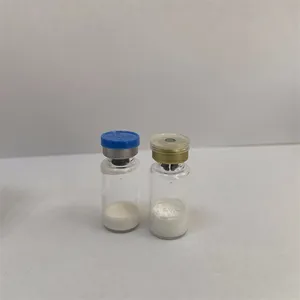
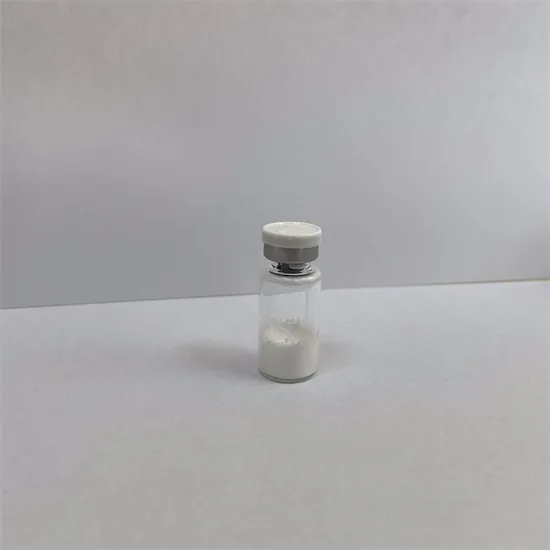
| Form | Lyophilized peptide powder |
| Purity | ≥98% (HPLC verified) |
| Solubility | Soluble in water, PBS, DMSO |
| Storage Conditions | -20°C, dry and light-protected |
| Stability | Stable for ≥12 months under recommended storage |
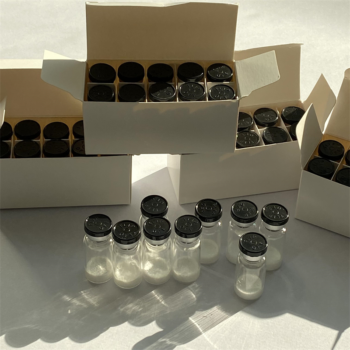
| Packaging | Sterile sealed vials |
| QC Methods | HPLC, Mass Spectrometry, Bioassays |
Extended Specifications Explanation
Target Receptor Specificity: Rugecitide mimics NRG4 signaling through ErbB3/ErbB4 activation, offering insights into receptor-mediated regulation of metabolism.
Purity & Validation: Analytical techniques ensure high purity for reproducible research outcomes.
Solubility & Formulation: Compatible with aqueous and organic solvents, enabling diverse laboratory applications.
Stability & Storage: Long shelf life ensures experimental reliability for extended projects.
These specifications underscore Rugecitide’s utility as a dependable and versatile research peptide.
Mechanism of Action
Rugecitide acts as an NRG4 analog, binding to ErbB3/ErbB4 receptor complexes and initiating downstream PI3K/Akt and MAPK signaling pathways. These cascades regulate diverse cellular and metabolic functions.
1. ErbB Receptor Activation
Rugecitide mimics NRG4, binding to ErbB4 and heterodimerizing with ErbB3.
This receptor activation triggers tyrosine phosphorylation events that initiate downstream signaling.
2. PI3K/Akt Pathway
Enhances glucose uptake in insulin-sensitive tissues.
Promotes glycogen synthesis in hepatocytes.
Reduces hepatic glucose output, improving systemic glycemic control.
3. MAPK/ERK Pathway
Regulates cellular growth, survival, and differentiation.
In metabolic tissues, this signaling supports adaptive responses to nutrient flux.
4. Regulation of Lipid Metabolism
Inhibits hepatic de novo lipogenesis, thereby reducing triglyceride accumulation.
Promotes fatty acid oxidation and energy expenditure in brown adipose tissue.
5. Crosstalk with Insulin Signaling
Enhances insulin receptor sensitivity by reducing inflammatory signaling and ER stress.
May act synergistically with incretin pathways (e.g., GLP-1) to improve glucose tolerance.
6. Impact on Inflammation
Downregulates pro-inflammatory cytokines (TNF-α, IL-1β) in metabolic tissues.
Supports immune-metabolic balance in obesity-associated inflammation.
Through these mechanisms, Rugecitide functions as a multi-faceted regulator of metabolic homeostasis, addressing both glucose and lipid dysregulation.
Side Effects
As Rugecitide is a research-use-only peptide, clinical safety profiles are not available. However, based on peptide biology and receptor signaling, potential laboratory observations may include:
Potential Adverse Effects
Off-target ErbB activation: Overstimulation could potentially trigger undesired proliferative signals.
Metabolic Overcompensation: Excessive activation of lipid oxidation might cause imbalances in energy storage.
Cytokine alterations: May shift immune balance in unpredictable ways during experimental use.
Peptide hypersensitivity: Like many peptides, could trigger mild allergic reactions in laboratory models.
Laboratory Safety Guidelines
Handle under biosafety level 2 (BSL-2) conditions.
Use personal protective equipment (gloves, lab coat, goggles).
Dispose of peptide waste following institutional safety protocols.
Not approved for human or veterinary therapeutic use.
These precautions ensure that Rugecitide research remains safe and scientifically rigorous.
Disclaimer
This compound is supplied strictly for laboratory research purposes only. Not approved for human or veterinary therapeutic use.
Keywords
Rugecitide, CAS 2938226-27-6, NRG4 analog, metabolic research peptide, ErbB4 activator, insulin sensitivity, obesity research, NAFLD peptide, diabetes research compound.
Shipping Guarantee
Worldwide shipping with customs clearance included.
Taxes and duties fully covered, no customer paperwork required.
Full compensation for loss or damage in transit.
Transaction Guarantee
We support T/T, PayPal, cryptocurrency, and secure wire transfers. Contact our sales team for additional payment options.

Additional information
| Weight | 0.8 kg |
|---|---|
| Dimensions | 28 × 43 × 28 cm |
1. What is Rugecitide?
Rugecitide is a synthetic NRG4 analog peptide used for metabolic research.
2. What is its CAS number?
2938226-27-6.
3. What receptors does Rugecitide target?
It primarily activates ErbB3/ErbB4 heterodimers, similar to native NRG4.
4. What are the main research applications of Rugecitide?
Obesity, diabetes, NAFLD/NASH, and metabolic syndrome.
5. How does Rugecitide improve insulin sensitivity?
By enhancing PI3K/Akt signaling and reducing hepatic glucose output.
6. Can Rugecitide be used in cardiovascular research?
Yes, due to its role in reducing inflammation and lipid accumulation.
7. How should Rugecitide be stored?
Store at -20°C, dry, protected from light and moisture.
8. What purity is available?
≥98% confirmed by HPLC and MS validation.
9. Is Rugecitide approved for clinical use?
No, it is for research use only.
10. What solvents are suitable for Rugecitide?
It dissolves in water, PBS, and DMSO.
11. Can Rugecitide be combined with other metabolic agents in research?
Yes, it may be used alongside GLP-1 analogs or insulin sensitizers in experimental models.
12. Does Rugecitide have anti-inflammatory properties?
Yes, it helps reduce pro-inflammatory cytokines in adipose and hepatic tissues.
Related products
99.9% Effective Weight Loss Shaping Peptide – Beauty Peptide Factory Direct Low Price Wholesale
Peptide Purity 99% Specification 5mg/vial, 10mg/vial, 15mg/vial Original price was: $38.00.$23.00Current price is: $23.00.High Purity Weight Loss Peptide Reta, Trutide, GHK-Cu, Epitalon Peptide – The Ultimate Solution for Effective Weight Loss and Anti-Aging
Weight Loss Peptide Function Dose 2mg 5mg 10mg 15mg 20mg Higher Original price was: $36.00.$25.00Current price is: $25.00.High Purity 99.9% Weight Loss Peptide – Raw Material Factory Wholesale at Low Price
Weight Loss Peptide Appearance:Lyophilized powder Grade Standard:Top Quality Original price was: $12.00.$9.80Current price is: $9.80.USA Warehouse 99% IV Infusion Therapy Anti-Aging Injection Peptide for Weight Loss & Muscle Building
USA Warehouse 99% IV Infusion Therapy Anti-Aging Injection Peptide for Weight Loss & Muscle Building Original price was: $38.00.$23.00Current price is: $23.00.


Reviews
There are no reviews yet.