
No products in the cart.
Sale
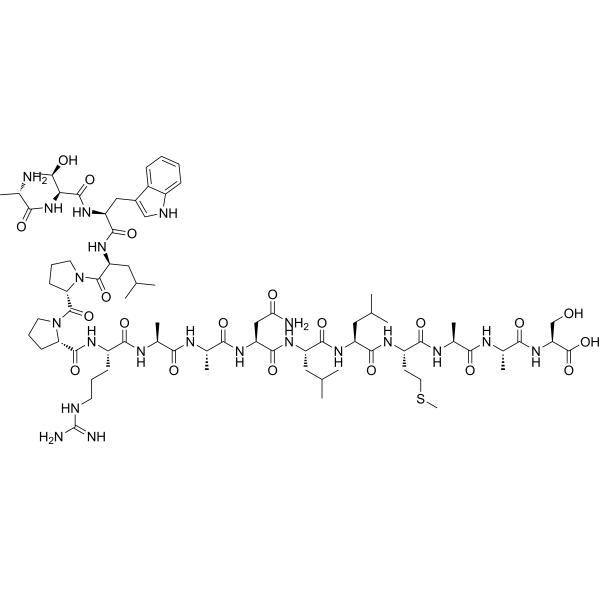
ATWLPPRAANLLMAAS | CAS 1228447-26-4 | Anti-Angiogenic and Anti-Tumor Chimeric Peptide
Original price was: $38.00.$25.00Current price is: $25.00.
ATWLPPRAANLLMAAS (CAS 1228447-26-4) is a chimeric peptide with anti-angiogenic and strong anti-tumor activity. It inhibits tumor growth by suppressing cell proliferation, migration, and invasion while inducing apoptosis.

Description
Product Description
ATWLPPRAANLLMAAS is a synthetic chimeric peptide designed to interfere with tumor angiogenesis and malignant cell growth. As a multifunctional bioactive peptide, ATWLPPRAANLLMAAS demonstrates a significant ability to suppress tumorigenic processes in hepatocellular carcinoma and other solid tumors.
Structurally, ATWLPPRAANLLMAAS integrates multiple amino acid sequences associated with anti-angiogenic and pro-apoptotic signaling pathways. By targeting the molecular mechanisms governing endothelial proliferation and vascular formation, it effectively disrupts tumor vascularization—an essential step for cancer growth and metastasis.
Research has shown that ATWLPPRAANLLMAAS can inhibit the proliferation, viability, migration, and invasion of hepatocellular carcinoma cells (HepG2, Huh7, and related lines). Its anti-tumor effect is closely linked to the activation of apoptotic signaling cascades, including upregulation of caspase-3 and -9, suppression of Bcl-2 expression, and promotion of mitochondrial membrane potential loss.
Beyond its direct cytotoxic effects, ATWLPPRAANLLMAAS modulates tumor microenvironmental factors, reducing the expression of vascular endothelial growth factor (VEGF) and matrix metalloproteinases (MMP-2, MMP-9). These molecular modulations inhibit extracellular matrix degradation and angiogenesis, thereby preventing tumor metastasis.
Given its stability and potency, ATWLPPRAANLLMAAS is a valuable tool in preclinical studies exploring novel anti-angiogenic therapies, tumor suppression mechanisms, and apoptosis induction. It provides a unique model for the design of peptide-based therapeutics targeting multiple tumor pathways.
Product Specifications
| Attribute | Description |
|---|---|
| Product Name | ATWLPPRAANLLMAAS |
| Synonyms | Anti-angiogenic chimeric peptide, ATW-LPPRA peptide |
| CAS Number | 1228447-26-4 |
| Molecular Formula | C₉₁H₁₆₀N₂₈O₂₁ |
| Molecular Weight | 1950.3 g/mol |
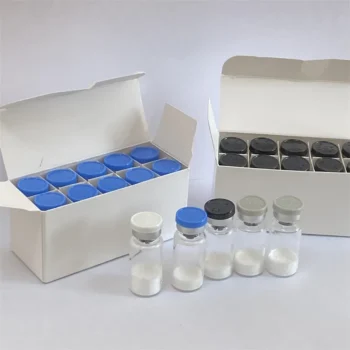
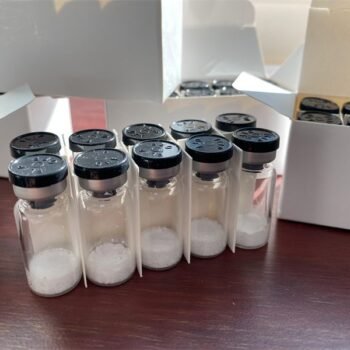
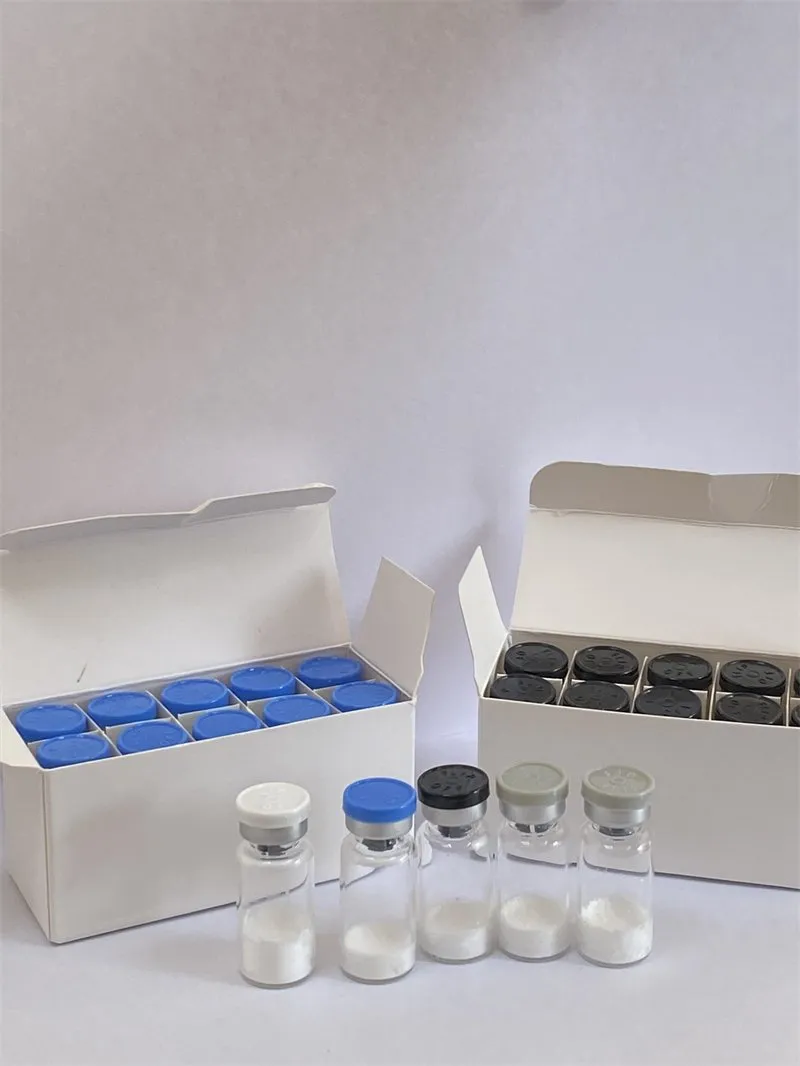
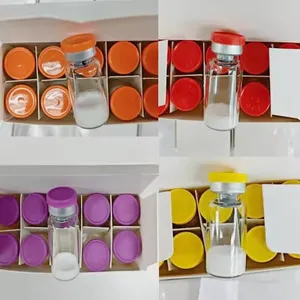
| Appearance | White to off-white lyophilized powder |
| Purity | ≥98% (HPLC) |
| Solubility | Soluble in water, PBS, or DMSO |
| Storage Conditions | Store at -20°C, protected from light and moisture |
| Stability | Stable under recommended storage conditions |
| Formulation | Supplied as lyophilized powder for research use only |
Mechanism of Action
ATWLPPRAANLLMAAS acts primarily through anti-angiogenic and pro-apoptotic mechanisms. By targeting endothelial and tumor cells simultaneously, it disrupts the vascular network essential for tumor growth. The peptide downregulates VEGF and MMPs, blocking angiogenesis and tumor invasion.
It also activates intrinsic apoptotic pathways, causing mitochondrial dysfunction, reactive oxygen species (ROS) accumulation, and activation of caspase cascades. These processes collectively lead to programmed cell death in tumor cells, without significantly affecting normal tissues.
Additionally, ATWLPPRAANLLMAAS modulates key signaling pathways such as PI3K/Akt, MAPK/ERK, and NF-κB, contributing to its broad-spectrum anticancer effects. This multifaceted mechanism makes it an attractive subject for peptide drug design and targeted cancer therapy research.
Side Effects
In experimental research, ATWLPPRAANLLMAAS has not demonstrated toxicity to normal cell lines at standard working concentrations. However, as an apoptosis-inducing peptide, it may cause mitochondrial stress and oxidative imbalance in non-target cells at high doses.
Potential experimental observations include:
Temporary mitochondrial depolarization in non-cancerous cells
Mild cytotoxicity at concentrations exceeding 100 μM
Minor inflammatory responses in long-term culture systems
Further in vivo evaluation is recommended to fully characterize its safety profile, biodistribution, and immunogenicity.
Disclaimer
This product is for research use only. It is not intended for diagnostic, therapeutic, or human use.
Keywords
ATWLPPRAANLLMAAS, Anti-Angiogenic Peptide, Anti-Tumor Peptide, Apoptosis Inducer, Cancer Research, VEGF Inhibitor, Angiogenesis Blocker, Peptide Therapeutics, Hepatocellular Carcinoma, MMP Inhibition
Shipping Guarantee
All products are shipped under strict temperature control and packaging protocols to maintain peptide integrity.
Transaction Guarantee
Secure payment processing and global delivery service ensure reliable and efficient transactions for all research clients.
Additional information
| Weight | 0.8 kg |
|---|---|
| Dimensions | 56 × 28 × 56 cm |
2 reviews for ATWLPPRAANLLMAAS | CAS 1228447-26-4 | Anti-Angiogenic and Anti-Tumor Chimeric Peptide
1. What is ATWLPPRAANLLMAAS used for?
It is used in cancer research, particularly for studying angiogenesis inhibition and tumor cell apoptosis.
2. How should ATWLPPRAANLLMAAS be stored?
Store lyophilized powder at -20°C, away from moisture and light.
3. What solvent is recommended for dissolution?
Water, PBS, or DMSO are suitable solvents for most experimental setups.
4. Is ATWLPPRAANLLMAAS toxic to normal cells?
At research concentrations, no significant cytotoxicity has been observed.
5. Does ATWLPPRAANLLMAAS affect VEGF pathways?
Yes, it downregulates VEGF expression, suppressing tumor angiogenesis.
6. Can ATWLPPRAANLLMAAS be used in vivo?
Yes, in controlled animal studies under institutional biosafety regulations.
7. What purity grade is supplied?
≥98%, confirmed by HPLC analysis.
8. Is the peptide synthetic or natural?
It is a synthetic chimeric peptide designed for research use.
9. Can it be combined with other anticancer agents?
Yes, it may exhibit synergistic effects when combined with chemotherapeutics or targeted agents.
10. Does ATWLPPRAANLLMAAS induce apoptosis directly?
Yes, it activates caspase-mediated apoptosis through mitochondrial disruption.
Related products
USA Warehouse 99% IV Infusion Therapy Anti-Aging Injection Peptide for Weight Loss & Muscle Building
USA Warehouse 99% IV Infusion Therapy Anti-Aging Injection Peptide for Weight Loss & Muscle Building Original price was: $38.00.$23.00Current price is: $23.00.High Purity Weight Loss Peptide Reta, Trutide, GHK-Cu, Epitalon Peptide – The Ultimate Solution for Effective Weight Loss and Anti-Aging
Weight Loss Peptide Function Dose 2mg 5mg 10mg 15mg 20mg Higher Original price was: $36.00.$25.00Current price is: $25.00.Best-Selling Weight Loss Peptide: Slimming Peptide Reta with Safe Delivery
Weight Loss Peptide Lab-Tested Purity (99%+) – Ensures maximum effectiveness Original price was: $56.00.$23.00Current price is: $23.00.Semaglutide Raw Material Factory: Low-Price Wholesale for High-Purity Peptides
Semaglutide Compound CID: 56843331 MF: C187H291N45O59Purity: 99%
Form: Lyophilized powder
Dosage Options: 5mg, 10mg, 15mg per vial
Packaging: Secure box packaging
Shelf Life: 2 years (store in a cool, dry place)
MOQ: 1 box

ismaelcamela –
Quality control appears reliable based on our inspections.
Sadey –
The procurement platform is excellent, transactions proceed smoothly