
No products in the cart.
Sale
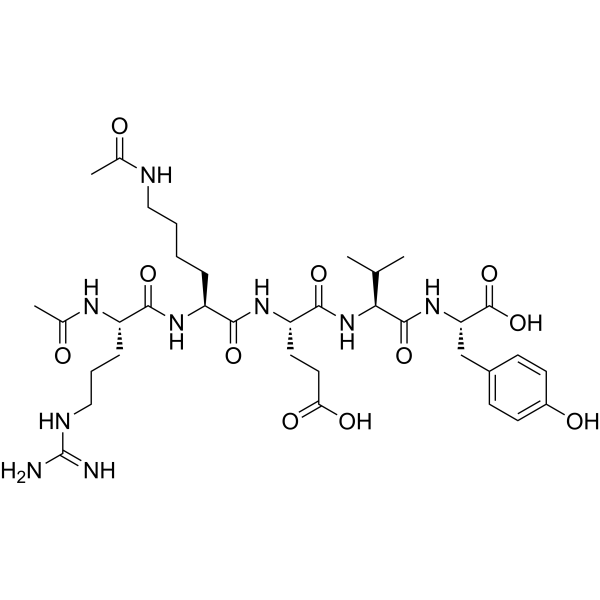
Diacetylsplenopentine | CAS 91418-71-2 | Immunostimulatory and Antiviral Peptide Protecting Against FMD Infection
Original price was: $18.00.$13.00Current price is: $13.00.
Diacetylsplenopentine (BCH 069) is a synthetic immunomodulatory and antiviral peptide with potent protective activity against foot-and-mouth disease (FMD) virus in animal models. It promotes immune cell activation and cytokine production, making it an important research compound in antiviral defense and immunostimulation studies.

Description
Product Description
Diacetylsplenopentine (CAS 91418-71-2), also known as BCH 069 or Berlopentin, is a small synthetic peptide with remarkable antiviral and immunostimulatory activities. This compound was originally developed as a broad-spectrum antiviral peptide and demonstrated potent protective effects against foot-and-mouth disease (FMD) infection in preclinical animal models, particularly guinea pigs.
Its mechanism of action involves enhancement of host immune defense, modulation of cytokine release, and promotion of cellular immunity. As such, Diacetylsplenopentine represents a promising lead compound for developing immunotherapeutic strategies against viral infections and immune deficiencies.
Biological Background
Foot-and-mouth disease virus (FMDV) is a highly contagious RNA virus affecting cloven-hoofed animals, posing major economic threats to livestock. Conventional vaccination strategies provide limited duration of protection and require multiple doses. Therefore, immunostimulatory peptides such as Diacetylsplenopentine have attracted significant research interest as immune adjuvants and host-directed antivirals.
The peptide enhances the immune system’s innate and adaptive responses, allowing better resistance to viral infection even without direct antiviral targeting.
Key Biological Features
Antiviral Properties: Demonstrates strong protection against FMDV in guinea pig models.
Immune Activation: Enhances the production of cytokines and activation of lymphocytes.
Host Immune Modulation: Acts as an immunostimulant promoting defense mechanisms rather than direct viral neutralization.
Adjuvant Potential: Can augment the effectiveness of vaccines by boosting immune responsiveness.
Research Applications
Antiviral Mechanism Studies:
Used in studying peptide-based antivirals and host immune defense mechanisms against viral pathogens.Immunostimulation Research:
Investigated for its ability to promote T-cell and macrophage activity, as well as the synthesis of interferons and interleukins.Vaccine Adjuvant Development:
Explored as an adjunct compound to improve vaccine efficacy in animal models.Comparative Immunology:
Serves as a molecular tool to study the cross-species immune activation pathways triggered by synthetic peptides.Foot-and-Mouth Disease Research:
Employed in experimental FMDV protection models as a prototype immune-enhancing peptide.
Overall, Diacetylsplenopentine provides a versatile experimental platform for antiviral defense, immune regulation, and adjuvant development.
Product Specifications
| Parameter | Details |
|---|---|
| Product Name | Diacetylsplenopentine |
| Synonyms | BCH 069; Berlopentin; Diacetyl-Splenopentin |
| CAS Number | 91418-71-2 |
| Molecular Formula | C₂₅H₄₅N₇O₉ |
| Molecular Weight | 591.67 g/mol |
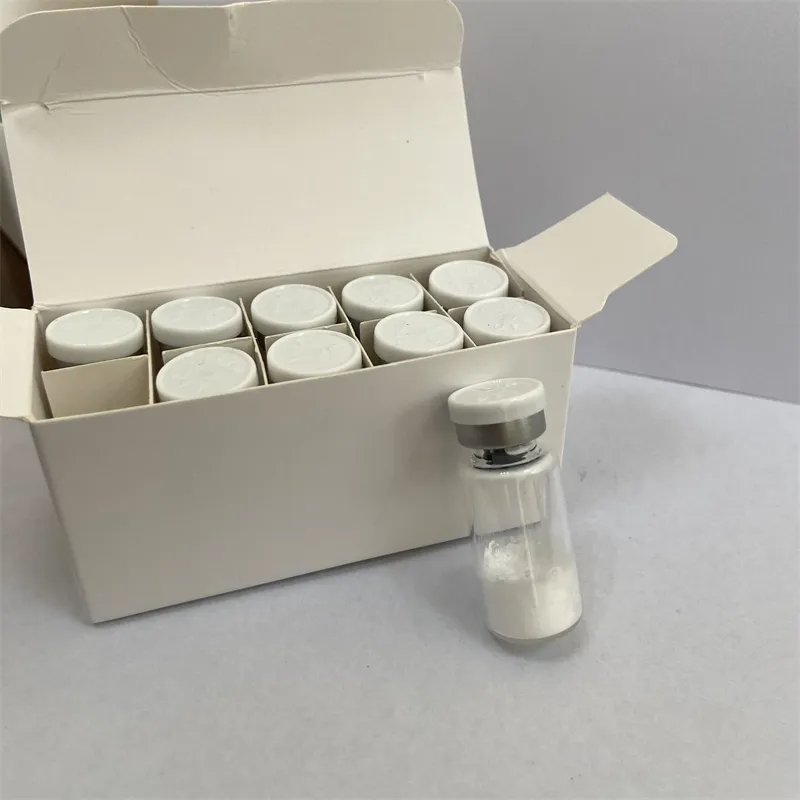
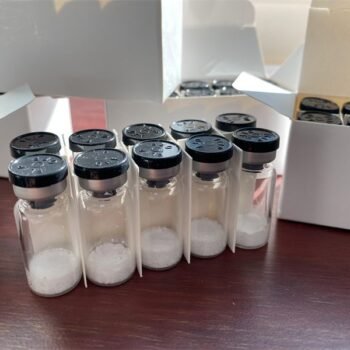
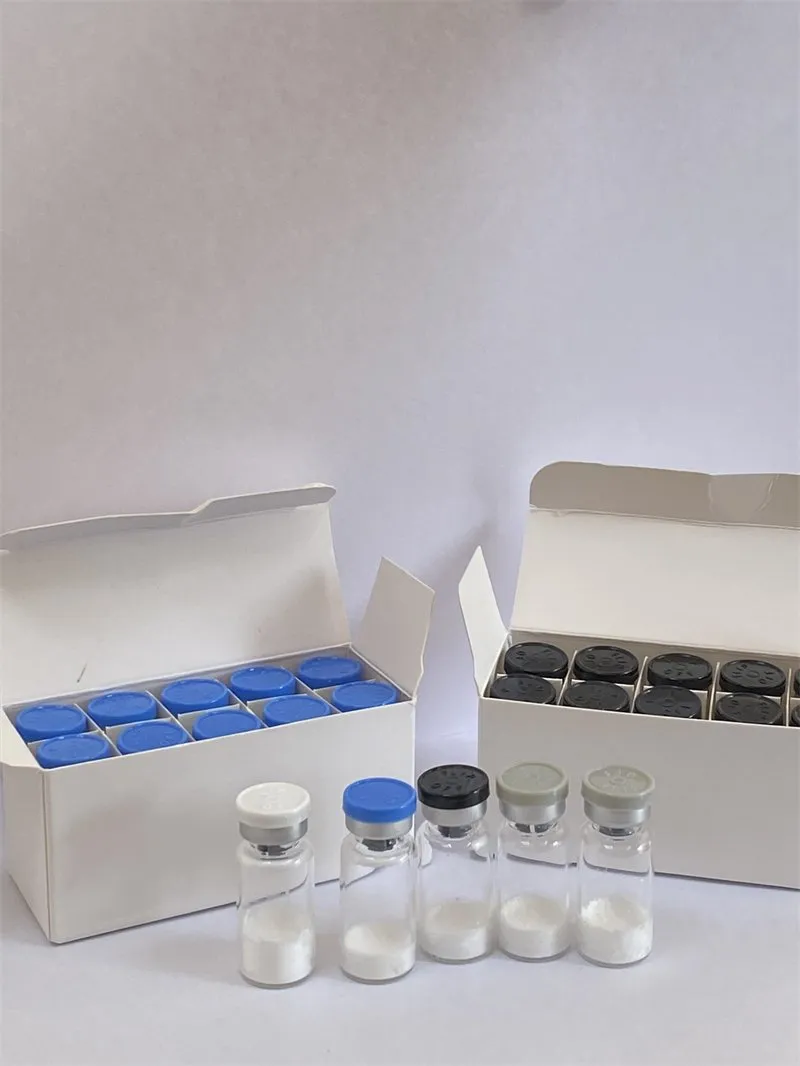
| Appearance | White to off-white lyophilized powder |
| Purity | ≥98% (HPLC) |
| Solubility | Soluble in water, PBS, or mild acidic buffer |
| Storage Conditions | -20°C, dry and protected from light |
| Stability | Stable for ≥24 months under recommended storage |
| Biological Activity | Antiviral, immunostimulatory |
| Applications | Viral infection studies, immune modulation, vaccine adjuvant research |
| Origin | Synthetic peptide |
| Quality Control Tests | HPLC purity, Mass Spectrometry, Amino Acid Analysis |
Mechanism of Action
The pharmacological activity of Diacetylsplenopentine arises primarily from immune system activation rather than direct viral inhibition. It acts as a bioregulatory peptide that modulates cellular immune responses to enhance host defense mechanisms.
1. Immune Cell Activation
Diacetylsplenopentine promotes the activation of T lymphocytes, macrophages, and natural killer (NK) cells. This activation increases the overall immunological surveillance and helps in the early clearance of viral infections.
2. Cytokine Modulation
The peptide upregulates key cytokines including interferon-gamma (IFN-γ), interleukin-2 (IL-2), and tumor necrosis factor-alpha (TNF-α), which are crucial mediators of antiviral defense and macrophage activation.
3. Enhancement of Antigen Presentation
By stimulating dendritic cell activity and MHC class II expression, Diacetylsplenopentine enhances antigen presentation, thereby strengthening the adaptive immune response and promoting effective antibody formation.
Though it doesn’t directly neutralize viral particles, the compound limits viral replication indirectly by reinforcing the host’s innate immune barriers and promoting antiviral signaling cascades.
5. Adjuvant Synergy
In vaccine research, it shows synergistic effects when co-administered with viral antigens, improving both humoral and cellular immunity.
These multifaceted mechanisms make Diacetylsplenopentine an effective model for exploring host-directed antiviral therapy and immune-enhancing pharmacology.
Side Effects
In experimental settings, Diacetylsplenopentine has exhibited high tolerability and low toxicity. However, as a potent immunostimulant, certain considerations are advised:
Immune Overactivation: At high concentrations, it may induce excessive cytokine release.
Mild Local Reactions: Possible transient redness or irritation at the site of administration in animal models.
No Known Organ Toxicity: Preclinical data show no systemic toxicity or hepatic/renal impairment.
In Vitro Stability: Peptide degradation may occur in serum-containing media; use freshly prepared solutions.
Standard laboratory safety practices should be followed during handling and storage.
Disclaimer
For research use only. Not for human or veterinary therapeutic use. Use only in controlled laboratory settings by qualified personnel.
Keywords
Diacetylsplenopentine, BCH 069, Berlopentin, antiviral peptide, immunostimulant, foot-and-mouth disease peptide, FMD antiviral, immune adjuvant peptide, cytokine inducer, host-directed antiviral, T-cell activator, peptide-based immunotherapy.
Shipping Guarantee
All products are shipped under validated cold-chain conditions with full insurance coverage against temperature excursions or transit damage.
Transaction Guarantee
We ensure transparent global transactions with batch-level quality certification, analytical data, and COA documentation for customs clearance.
Additional information
| Weight | 0.8 kg |
|---|---|
| Dimensions | 56 × 28 × 56 cm |
1 review for Diacetylsplenopentine | CAS 91418-71-2 | Immunostimulatory and Antiviral Peptide Protecting Against FMD Infection
Diacetylsplenopentine (BCH 069) is a synthetic immunomodulatory and antiviral peptide with potent protective activity against foot-and-mouth disease (FMD) virus in animal models. It promotes immune cell activation and cytokine production, making it an important research compound in antiviral defense and immunostimulation studies.
What is Diacetylsplenopentine?
A synthetic antiviral and immunostimulatory peptide (BCH 069) known for its protective action against FMD infection.
What is its CAS number?
CAS No. 91418-71-2.
What are its primary biological functions?
Enhances immune response, stimulates cytokine production, and protects against viral infections.
Is Diacetylsplenopentine a direct antiviral compound?
No, it works by activating the immune system to prevent viral spread.
In which animal models has it shown efficacy?
Demonstrated significant protection in guinea pig models infected with FMD virus.
What are its applications in research?
Used in studies of antiviral immunity, immunostimulatory peptides, and vaccine adjuvant development.
Does it have immunotherapeutic potential?
Yes, its immune-activating properties make it a strong candidate for immunotherapy research.
Is it safe in vivo?
Exhibits minimal toxicity and good tolerability in preclinical studies.
What are its solubility properties?
Soluble in water, PBS, and mild acidic buffers.
How should it be stored?
Store at -20°C, protected from moisture and light for maximum stability.
Related products
Factory Supply Peptide Healthcare 99% with Safe Delivery
Peptide Healthcare Usage Delta-Sleep Inducing Peptides Purity 99%Over Dose 2mg 5mg 10mg 15mg 20mg Highe Original price was: $28.00.$23.00Current price is: $23.00.Retatrutide cost with insurance
Retatrutide cost with insurance Original price was: $38.00.$26.00Current price is: $26.00.Semaglutide Raw Material Factory: Low-Price Wholesale for High-Purity Peptides
Semaglutide Compound CID: 56843331 MF: C187H291N45O59Purity: 99%
Form: Lyophilized powder
Dosage Options: 5mg, 10mg, 15mg per vial
Packaging: Secure box packaging
Shelf Life: 2 years (store in a cool, dry place)
MOQ: 1 box
Best-Selling Weight Loss Peptide: Slimming Peptide Reta with Safe Delivery
Weight Loss Peptide Lab-Tested Purity (99%+) – Ensures maximum effectiveness Original price was: $56.00.$23.00Current price is: $23.00.



Encely –
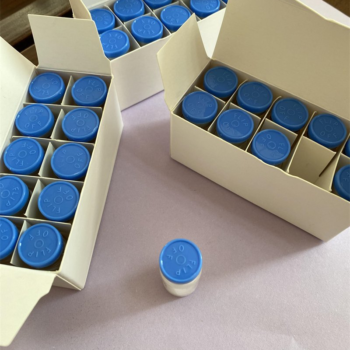
I recieved the box in a very short time.