
No products in the cart.
Sale
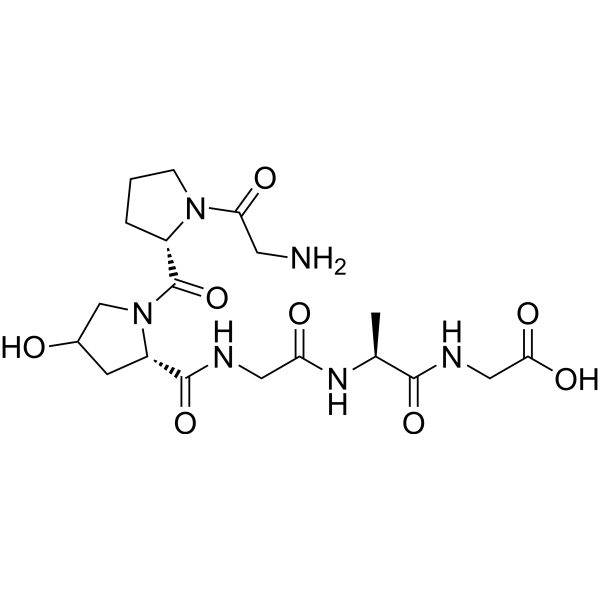
Antiarrhythmic Peptide (Cattle Atrium) | CAS 81771-37-1 | Hexapeptide for Cardiac Rhythm Research
Original price was: $52.00.$43.00Current price is: $43.00.
Antiarrhythmic Peptide (Cattle Atrium) (CAS 81771-37-1) is a bioactive hexapeptide known for its cardioprotective and antiarrhythmic effects. It provides a valuable model for studying cardiac electrophysiology, myocardial protection, and arrhythmia prevention in experimental pharmacology.

Description
Product Description
Antiarrhythmic Peptide (Cattle Atrium) is a bioactive hexapeptide originally isolated from bovine atrial tissue. This small peptide represents an important innovation in the study of peptide-based regulation of cardiac rhythm, acting through unique mechanisms that differ from conventional antiarrhythmic drugs. The peptide exerts a protective effect against experimentally induced arrhythmias, including those triggered by ischemia, oxidative stress, or chemical agents such as aconitine and ouabain.
Unlike many synthetic drugs that directly block ion channels, Antiarrhythmic Peptide (AAP) acts by stabilizing intercellular electrical communication among cardiac myocytes. It does this by preserving the integrity of gap junctions—specialized intercellular connections composed primarily of connexin proteins (especially Cx43). These junctions are essential for synchronized electrical activity within the heart, and their disruption can lead to arrhythmia.
Experimental studies have shown that AAP enhances gap junction conductivity, maintains connexin phosphorylation, and prevents electrical uncoupling during ischemia or reperfusion injury. Through these actions, AAP promotes uniform propagation of electrical impulses and prevents dangerous reentrant circuits that can cause ventricular fibrillation.
In addition to its antiarrhythmic effects, AAP has shown cytoprotective properties by reducing intracellular calcium overload, decreasing oxidative stress, and improving mitochondrial stability. It enhances myocardial recovery following ischemic insult and reduces the incidence of premature contractions.
Because of its natural origin, low molecular weight, and non-toxic profile, AAP serves as an ideal model compound for exploring new-generation peptide therapeutics that maintain cardiac rhythm without the adverse side effects typical of class I–IV antiarrhythmic drugs.
Research Applications
Study of cardiac electrical conduction and rhythm stabilization
Investigation of connexin-43 phosphorylation and gap junction regulation
Evaluation of myocardial protection during ischemia-reperfusion injury
Electrophysiological modulation of ion channel dynamics
Development of peptide-based cardiac therapeutics
Pharmacological Profile
AAP’s effects have been confirmed in a range of in vivo and in vitro studies using mammalian cardiac tissue. It reduces arrhythmia incidence without negatively impacting myocardial contractility, heart rate, or systemic hemodynamics.
The peptide also shows synergy with other cardioprotective molecules, such as β-blockers and calcium channel modulators, by complementing their effects rather than competing with them. Its natural mode of action ensures physiological rhythm preservation rather than abrupt electrical suppression.
Product Specifications
| Item | Description |
|---|---|
| Product Name | Antiarrhythmic Peptide (Cattle Atrium) |
| CAS No. | 81771-37-1 |
| Synonyms | AAP; Bovine Atrial Antiarrhythmic Peptide; GAP Peptide; Myocardial Peptide |
| Molecular Formula | C₂₄H₄₄N₈O₉ |
| Molecular Weight | 588.66 g/mol |
| Sequence | H-Ala-Gly-Leu-Gly-Lys-Ser-OH |
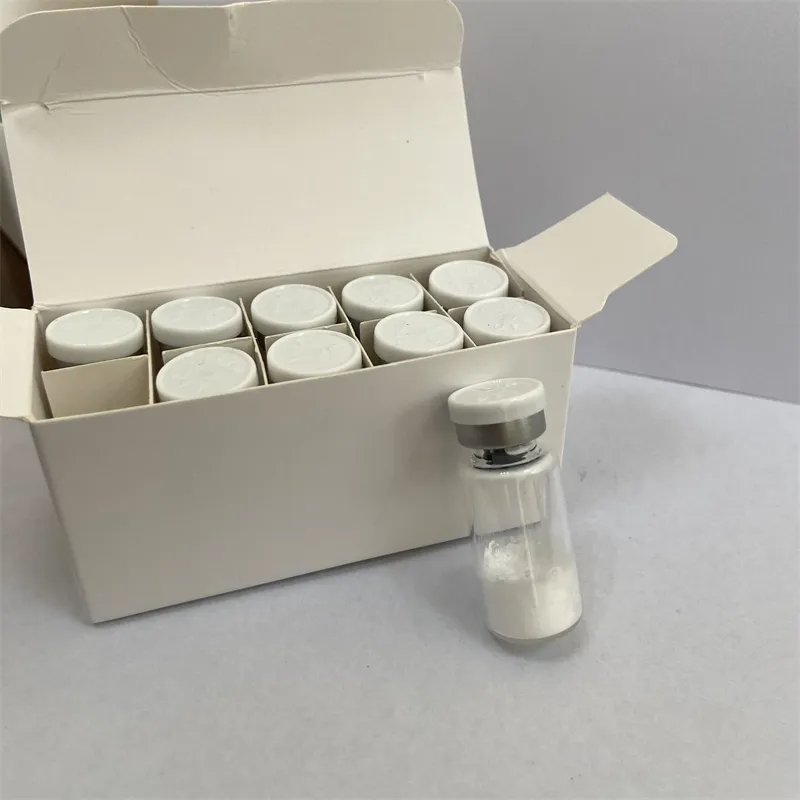
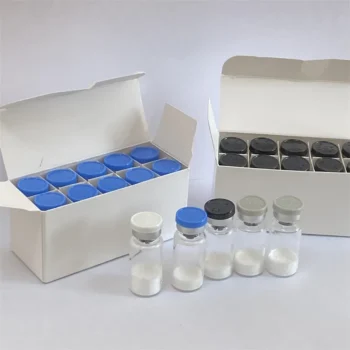
| Appearance | White to off-white lyophilized powder |
| Purity | ≥98% (HPLC) |
| Solubility | Soluble in water, PBS, or physiological buffers |
| Storage | −20°C, dry and protected from light |
| Formulation | Lyophilized solid for reconstitution |
| Applications | Cardiovascular electrophysiology, arrhythmia research, myocardial protection studies |
| Origin | Synthetic peptide, analog of bovine atrial extract |
Mechanism of Action
Antiarrhythmic Peptide (Cattle Atrium) functions primarily by modulating intercellular communication through cardiac gap junctions. These junctions facilitate the propagation of electrical impulses across cardiac tissue, ensuring synchronized depolarization of myocytes during each heartbeat.
During ischemia or oxidative stress, connexin-43 (Cx43) phosphorylation decreases, leading to electrical uncoupling and arrhythmogenic potential. AAP counteracts this by preserving phosphorylated Cx43 and maintaining normal gap junction conductivity.
Molecular Mechanisms:
Connexin Preservation:
AAP stabilizes the expression and post-translational modification of connexin-43, preventing its degradation or dephosphorylation during stress conditions.Signal Transduction:
It modulates protein kinase C (PKC) pathways and G-protein signaling, supporting connexin phosphorylation and cytoskeletal stability.Ion Channel Regulation:
The peptide indirectly regulates sodium (Na⁺), potassium (K⁺), and calcium (Ca²⁺) currents, optimizing the action potential profile while reducing spontaneous depolarizations.Cytoprotection and Antioxidation:
AAP reduces reactive oxygen species (ROS) production, mitigates calcium overload, and improves mitochondrial function, all contributing to enhanced cardiomyocyte survival.Electrophysiological Homeostasis:
By maintaining conduction velocity and preventing regional conduction block, AAP normalizes refractory periods and suppresses reentrant arrhythmia circuits.
Through these combined actions, AAP acts as a cardiac homeostasis modulator, ensuring stable electrical coordination without inducing bradycardia or negative inotropy.
Side Effects and Safety Profile
In preclinical models, Antiarrhythmic Peptide (Cattle Atrium) has demonstrated an excellent safety profile. It does not alter systemic blood pressure, cardiac output, or ventricular contractility in normal hearts. No significant adverse effects have been reported even with repeated administration under laboratory conditions.
Observed Safety Findings:
Hemodynamic Stability: Maintains normal blood flow and oxygen delivery.
No Proarrhythmic Potential: Unlike some conventional agents, AAP does not induce arrhythmias at therapeutic concentrations.
Non-toxic and Non-immunogenic: Due to its natural peptide structure.
Compatible with Other Agents: Can be used alongside beta-blockers or calcium channel blockers in combination studies.
Cautions for Researchers:
Use controlled dosing to prevent overexposure.
Avoid contamination or degradation by storing the peptide at −20°C under desiccated conditions.
For laboratory research only – not intended for human or veterinary use.
Disclaimer
This product is for laboratory research use only. It is not intended for diagnostic, therapeutic, or human administration purposes. All information provided is for research and educational reference, based on current literature and internal data verification.
Keywords
antiarrhythmic peptide supplier, bovine atrial peptide manufacturer, cardiac electrophysiology peptide, peptide for arrhythmia research, connexin-43 peptide, myocardial protection peptide, peptide-based cardiac therapeutic research, peptide distributor USA
Shipping Guarantee
All peptide products are packaged under vacuum-sealed, low-temperature conditions to preserve purity and bioactivity during transit. We provide global express delivery via trusted logistics partners, ensuring fast, temperature-controlled, and traceable shipments to all major regions.
Trade Guarantee
We support multiple secure payment methods including T/T, wire transfer, PayPal, and credit cards. Each order is traceable from dispatch to delivery. Every batch is accompanied by COA, HPLC, and MS analysis reports to ensure analytical accuracy and batch consistency.
Additional information
| Weight | 0.8 kg |
|---|---|
| Dimensions | 63 × 28 × 63 cm |
2 reviews for Antiarrhythmic Peptide (Cattle Atrium) | CAS 81771-37-1 | Hexapeptide for Cardiac Rhythm Research
What is Antiarrhythmic Peptide (Cattle Atrium)?
It is a biologically active hexapeptide that exhibits strong antiarrhythmic and cardioprotective properties in experimental models.
What is its CAS number?
CAS No. 81771-37-1.
What is the molecular formula and weight?
Molecular formula: C₂₄H₄₄N₈O₉; Molecular weight: 588.66 g/mol.
What are its main research applications?
It is used in cardiac electrophysiology, gap junction regulation, myocardial protection, and arrhythmia prevention studies.
Does it directly block ion channels?
No, it modulates intercellular communication rather than blocking ion channels.
Is it soluble in water?
Yes, the peptide is water-soluble and compatible with PBS or physiological buffers.
What purity level is available?
≥98% by HPLC, with COA and MS data provided.
Can it be used for clinical or therapeutic purposes?
No, it is strictly for laboratory research only.
How is it stored?
Store at −20°C in a dry, dark environment to maintain stability.
Do you offer global shipping?
Yes. All products are shipped internationally with temperature-controlled logistics and full documentation.
Related products
Factory Supply Peptide Healthcare 99% with Safe Delivery
Peptide Healthcare Usage Delta-Sleep Inducing Peptides Purity 99%Over Dose 2mg 5mg 10mg 15mg 20mg Highe Original price was: $28.00.$23.00Current price is: $23.00.Retatrutide cost with insurance
Retatrutide cost with insurance Original price was: $38.00.$26.00Current price is: $26.00.Cosmetic Peptide Raw Material Factory – Low Price Wholesale Direct from China
Cosmetic Peptide Appearance: Lyophilized powder Dose 2mg 5mg 10mg 15mg 20mg Higher Original price was: $42.00.$22.00Current price is: $22.00.High Purity Weight Loss Peptide Reta, Trutide, GHK-Cu, Epitalon Peptide – The Ultimate Solution for Effective Weight Loss and Anti-Aging
Weight Loss Peptide Function Dose 2mg 5mg 10mg 15mg 20mg Higher Original price was: $36.00.$25.00Current price is: $25.00.


qasim –
Response time was fast, and the supplier was flexible with our order requirements. Quality and service were both satisfactory.
Cozzy –
Good deal! They were always ready to answer my questions.