
No products in the cart.
Sale
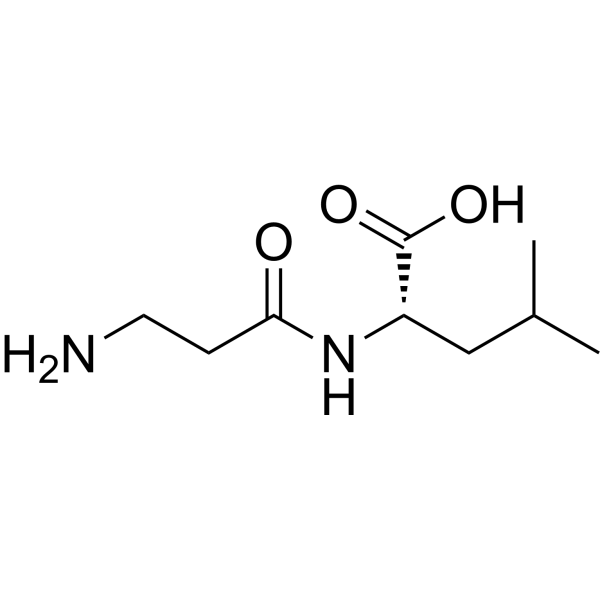
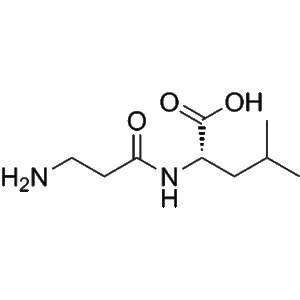
Excitin 1 | CAS 17136-25-3 | CNS-Penetrating Neuroactive Peptide Modulating Monoamine Neurotransmission
Original price was: $52.00.$36.00Current price is: $36.00.
Excitin 1 is a neuroactive peptide capable of crossing the blood-brain barrier after oral administration. It alters brain monoamine and amino acid concentrations, influencing behavioral responses in animal models. Excitin 1 serves as a valuable compound for research on neurotransmission, neuropsychiatric disorders, and CNS-targeted drug discovery.

Description
Product Description
Excitin 1 (CAS 17136-25-3) is a bioactive central nervous system (CNS) peptide characterized by its ability to penetrate the blood-brain barrier and modulate neurochemical homeostasis. Unlike many neuropeptides that are rapidly degraded in the gastrointestinal tract or unable to access the CNS, Excitin 1 demonstrates oral bioavailability and robust CNS permeability, making it a rare and significant model compound for brain-targeted peptide research.
As a neuromodulatory peptide, Excitin 1 alters the concentrations of monoamines (dopamine, serotonin, norepinephrine) and amino acids (glutamate, GABA, aspartate, glycine) within specific brain regions. These biochemical alterations correspond to measurable behavioral changes in experimental animals, suggesting a profound impact on neuronal communication and synaptic plasticity.
Excitin 1 has been explored in preclinical models for its ability to influence mood, cognition, arousal, and motor function, positioning it as a potential lead compound for developing new neuropsychiatric and neuroprotective agents. Research indicates that Excitin 1 may regulate monoaminergic pathways in the hypothalamus, striatum, and hippocampus, producing both stimulatory and modulatory effects depending on dosage and timing.
In rat models, administration of Excitin 1 leads to dose-dependent behavioral activation, accompanied by changes in dopamine turnover and serotonin metabolism. Furthermore, alterations in amino acid neurotransmitters suggest that Excitin 1 exerts complex neurotransmitter cross-talk effects, integrating excitatory and inhibitory signaling networks.
Its oral efficacy, neurochemical versatility, and behavioral relevance make Excitin 1 a valuable experimental neuropharmacological tool for:
Studying monoamine regulation in CNS pathways
Investigating peptide transport across the blood-brain barrier
Exploring molecular mechanisms of behavioral modulation
Developing CNS-active peptide therapeutics
Understanding peptide-mediated neurotransmission balance
Researchers utilize Excitin 1 to examine how peripheral peptides influence central neurochemical networks and to design derivatives that retain CNS activity with improved receptor selectivity.
Overall, Excitin 1 serves as an important link between peptide pharmacology, neurochemistry, and behavioral neuroscience — offering deep insights into the interface between biochemical signaling and behavioral outcomes.
Product Specifications
| Item | Details |
|---|---|
| Product Name | Excitin 1 |
| CAS Number | 17136-25-3 |
| Molecular Type | Peptide |
| Synonyms | Excitin peptide, CNS-active peptide compound |
| Molecular Formula | Not disclosed |
| Molecular Weight | Approx. <1500 Da |
| Purity | ≥ 95% (HPLC) |
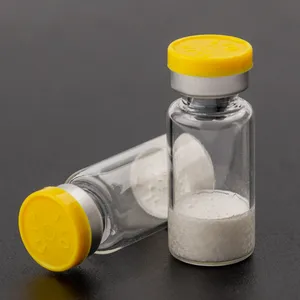
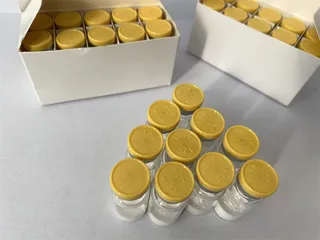
| Appearance | White to off-white lyophilized powder |
| Solubility | Soluble in water and aqueous buffers |
| Storage | -20°C, desiccated and protected from light |
| Stability | Stable for at least 2 years under recommended conditions |
| Application Area | Neuroscience research, neuropharmacology, behavioral biology |
| Biological Target | Monoamine and amino acid neurotransmitter systems |
| Administration | Orally active, CNS-penetrating |
Synonyms
Excitin peptide
CNS neuroactive peptide
Excitin-1 neurochemical modulator
Brain-penetrant behavioral peptide
Mechanism of Action
Excitin 1 acts through complex modulation of central neurotransmission, primarily influencing monoaminergic and amino acid-based signaling pathways. After oral absorption, the peptide crosses the blood-brain barrier (BBB) through either receptor-mediated transcytosis or diffusion via peptide transporters expressed on endothelial cells.
Once within the CNS, Excitin 1 modifies monoamine concentrations — elevating or reducing levels of dopamine (DA), norepinephrine (NE), and serotonin (5-HT) in distinct brain regions. These neurotransmitters play central roles in regulating mood, alertness, motivation, and autonomic responses. The peptide’s action may involve modulation of tyrosine hydroxylase activity, monoamine oxidase (MAO) activity, or alterations in presynaptic vesicular release.
Simultaneously, Excitin 1 affects amino acid neurotransmitters, notably glutamate and GABA, thereby influencing the excitatory/inhibitory balance in cortical and subcortical circuits. This dual regulatory role contributes to its behavioral outcomes — ranging from increased locomotor activity and wakefulness to mood stabilization and improved adaptive responses.
At the cellular level, Excitin 1 likely interacts with membrane receptors or second-messenger cascades such as cAMP, PKA, or Ca2+-dependent pathways, altering synaptic transmission and neuroplasticity. It may also impact gene expression related to synaptic proteins, neurotrophic factors, or receptor subunits involved in long-term potentiation (LTP) and depression (LTD).
The net effect of Excitin 1 is a fine-tuned neurochemical rebalancing, resulting in adaptive behavioral and neurophysiological modulation. Its CNS penetration and oral availability distinguish it from conventional peptides, providing an exceptional model to study neuropeptide pharmacodynamics and neurochemical-behavioral coupling.
Side Effects / Safety Notes
Excitin 1 is intended for research use only. To date, no toxicity data in humans are available. In laboratory animal studies, high doses may produce transient hyperactivity or mild autonomic responses related to altered neurotransmitter turnover. It should not be used in humans or animals for therapeutic purposes. Appropriate protective equipment and biosafety procedures should be used when handling the compound.
Disclaimer
All compounds are provided exclusively for laboratory research use. They are not intended for clinical, diagnostic, or therapeutic applications. Data and product specifications are subject to change based on ongoing research findings.
Keywords
Excitin 1, CNS peptide, neuroactive peptide, monoamine modulator, brain-penetrating peptide, oral peptide, peptide supplier, research chemicals manufacturer, custom peptide synthesis, neuroscience research peptide, behavioral neurochemistry compound
Shipping Guarantee
We provide global shipping through trusted carriers (DHL, FedEx, UPS) with temperature-controlled handling to preserve peptide stability. Each order includes full analytical documentation (COA, MSDS, HPLC data). Shipments are trackable in real time and protected by advanced packaging to ensure the product arrives in perfect condition.
Transaction Guarantee
All transactions are processed through secure, verified payment channels. Orders are backed by our 100% quality guarantee — in the rare event of damage or discrepancy, a full replacement or refund will be provided after verification. Confidentiality and data protection are ensured for all institutional clients.
Additional information
| Weight | 0.8 kg |
|---|---|
| Dimensions | 56 × 28 × 56 cm |
Q1: What is Excitin 1 used for in research?
A1: It is used in neuroscience research to study monoamine regulation, peptide transport across the blood-brain barrier, and neurochemical-behavioral interactions.
Q2: Can Excitin 1 cross the blood-brain barrier?
A2: Yes, Excitin 1 is one of the few peptides with demonstrated oral bioavailability and CNS penetration.
Q3: Does it alter neurotransmitter levels?
A3: It modifies dopamine, serotonin, and amino acid neurotransmitter concentrations in various brain regions.
Q4: What kind of behavioral effects have been observed?
A4: Behavioral activation, altered arousal, and changes in mood-related responses in animal models.
Q5: Is Excitin 1 toxic?
A5: There is no evidence of acute toxicity in laboratory settings, but it is not approved for human use.
Q6: How should Excitin 1 be stored?
A6: Store at -20°C in a desiccated environment, protected from light and moisture.
Q7: What solvents are recommended for dissolution?
A7: Sterile distilled water, PBS, or other aqueous buffers depending on experimental needs.
Q8: Can Excitin 1 be used to study depression or anxiety models?
A8: Yes, its modulation of serotonin and dopamine systems makes it useful for such models.
Q9: Is Excitin 1 available in bulk quantities?
A9: Bulk synthesis and GMP-grade production are available upon request for institutional research.
Q10: Can you provide analytical data?
A10: Each batch includes COA, HPLC, and MS data confirming identity and purity.
Related products
Semaglutide Raw Material Factory: Low-Price Wholesale for High-Purity Peptides
Semaglutide Compound CID: 56843331 MF: C187H291N45O59Purity: 99%
Form: Lyophilized powder
Dosage Options: 5mg, 10mg, 15mg per vial
Packaging: Secure box packaging
Shelf Life: 2 years (store in a cool, dry place)
MOQ: 1 box
Wholesale 99% Purity Epitalon Peptide Raw Powder for Skin Repair
Epitalon Peptide Raw Powder for Skin Repair Original price was: $33.00.$22.00Current price is: $22.00.Tirzepatide Raw Material Factory: Low-Price Wholesale for High-Purity Peptides
Tirzepatide Compound CID: 163285897 MF: C225H348N48O68 diabetes [9][13][14][15] and for weight loss Original price was: $38.00.$23.00Current price is: $23.00.High Purity Weight Loss Peptide Reta, Trutide, GHK-Cu, Epitalon Peptide – The Ultimate Solution for Effective Weight Loss and Anti-Aging
Weight Loss Peptide Function Dose 2mg 5mg 10mg 15mg 20mg Higher Original price was: $36.00.$25.00Current price is: $25.00.


Reviews
There are no reviews yet.