
No products in the cart.
Sale

Interleukin-6 Fragment (Human) | CAS 145990-81-4 | Pleiotropic Cytokine Fragment for Immunology and Inflammation Research
Original price was: $52.00.$43.00Current price is: $43.00.
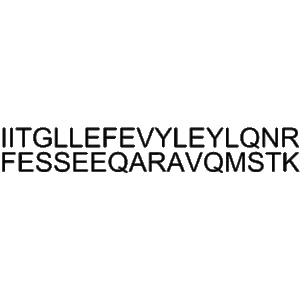
Interleukin-6 fragment (human) is a pleiotropic cytokine peptide derived from the human IL-6 protein. It is produced by lymphoid and non-lymphoid cells and plays essential roles in immune response, inflammation, tumor progression, and hematopoietic regulation. The fragment provides a valuable model for studying IL-6 receptor signaling, cytokine network modulation, and therapeutic interventions in inflammatory diseases and cancers.

Description
Product Description
Interleukin-6 fragment (human) (CAS 145990-81-4) is a synthetic peptide fragment derived from the native human interleukin-6 (IL-6) cytokine, a multifunctional signaling protein that mediates a wide range of biological processes, including immune regulation, acute phase responses, inflammation, tumor progression, and hematopoiesis.
The IL-6 gene is located on human chromosome 7p21, spanning approximately 5 kilobases, and encodes a 212-amino acid precursor that is proteolytically processed to generate the mature cytokine. This fragment represents a defined portion of the IL-6 sequence responsible for its receptor-binding and signal-transducing capabilities, allowing researchers to explore the molecular basis of IL-6-mediated effects in isolation from the full-length cytokine.
As a pleiotropic cytokine, IL-6 exerts diverse physiological and pathological functions. It is secreted by multiple cell types, including T cells, B cells, monocytes, macrophages, endothelial cells, fibroblasts, and tumor cells, in response to infections, tissue injury, or oncogenic stress. The human IL-6 fragment retains key structural elements that interact with the IL-6 receptor (IL-6R) and gp130 co-receptor, activating downstream JAK/STAT, MAPK, and PI3K/AKT signaling pathways.
The peptide fragment is particularly valuable for studying site-specific receptor binding, signal transduction mechanisms, and structure-activity relationships within the IL-6 signaling axis. Researchers use this fragment to identify functional domains that drive cytokine–receptor complex formation and to develop antagonists, neutralizing antibodies, or small-molecule inhibitors targeting IL-6-mediated pathways.
Biological and Research Relevance
Interleukin-6 fragment (human) is widely applied in immunology, oncology, inflammation, and regenerative medicine research. It provides a simplified yet functional model for investigating how specific IL-6 domains contribute to:
Cytokine–receptor interactions and gp130 activation
Acute phase protein induction in hepatocytes
Differentiation of B cells into antibody-producing plasma cells
Regulation of T-helper (Th17) cell differentiation
Tumor-promoting signaling in cancer cells
Cross-talk with other cytokines such as IL-1β, TNF-α, and IFN-γ
Because of its biological versatility, IL-6 has been implicated in the pathophysiology of autoimmune diseases (e.g., rheumatoid arthritis, systemic lupus erythematosus), metabolic disorders, neuroinflammation, and tumorigenesis. The IL-6 fragment serves as a modular probe to dissect the cytokine’s multifaceted functions and as a template for designing therapeutic inhibitors like monoclonal antibodies (e.g., tocilizumab) or peptidomimetics.
Applications
Immunology research: Understanding cytokine-mediated immune regulation
Inflammation studies: Exploring IL-6-driven acute and chronic inflammatory pathways
Oncology research: Studying tumor–microenvironment communication and cancer cell signaling
Drug discovery: Screening IL-6R antagonists and anti-inflammatory therapeutics
Molecular biology: Investigating transcriptional responses to cytokine stimulation
Overall, Interleukin-6 fragment (human) provides a powerful and controllable research tool for studying the biology of IL-6 and its therapeutic modulation in human disease models.
Product Specifications
| Item | Details |
|---|---|
| Product Name | Interleukin-6 fragment (human) |
| CAS Number | 145990-81-4 |
| Molecular Type | Peptide cytokine fragment |
| Molecular Formula | Not disclosed |
| Molecular Weight | Approx. <5000 Da |
| Gene Location | Human chromosome 7p21 |
| Source | Synthetic peptide derived from human IL-6 |
| Purity | ≥ 95% (HPLC) |
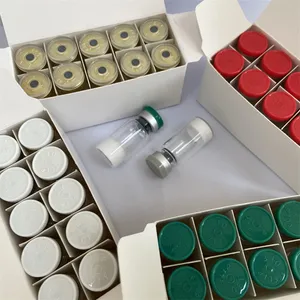
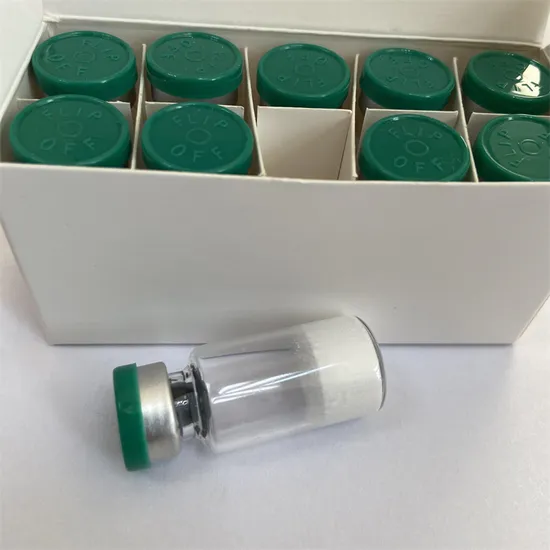
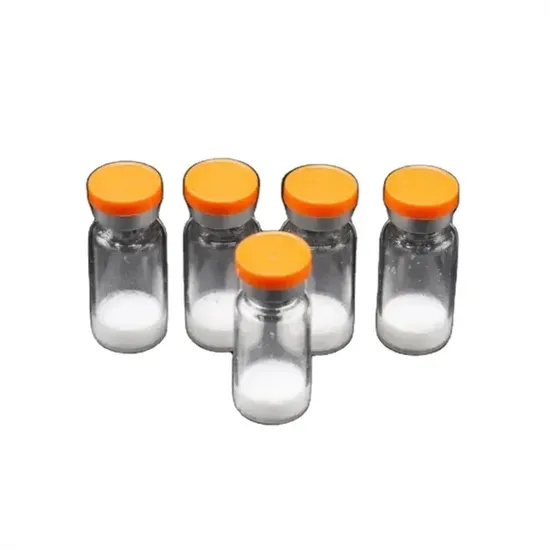
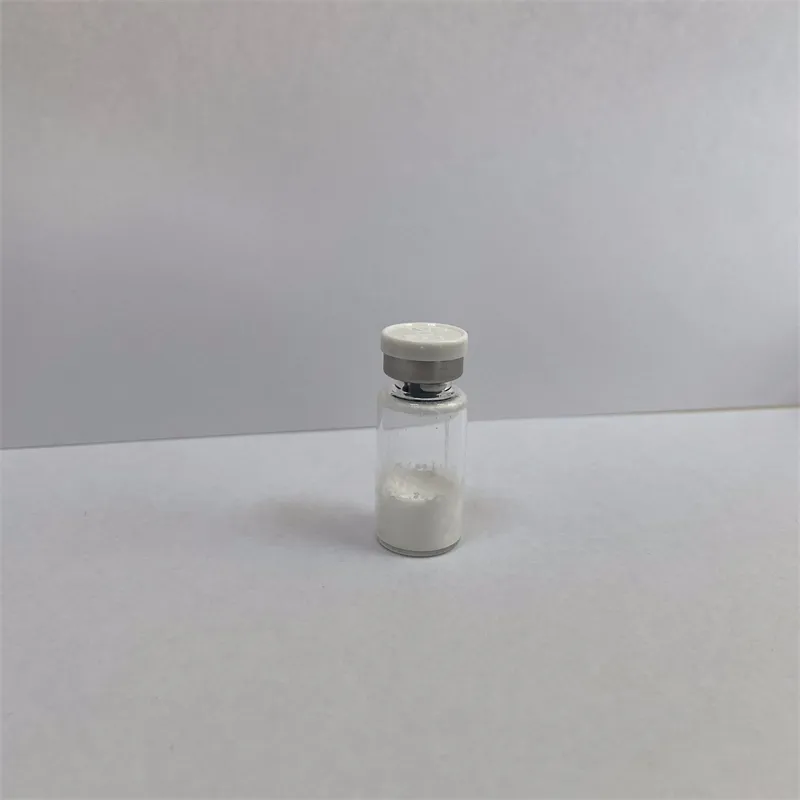
| Appearance | White to off-white lyophilized powder |
| Solubility | Soluble in water and physiological buffers |
| Storage | -20°C, protected from light and moisture |
| Stability | Stable for 24 months under recommended conditions |
| Applications | Immunology, inflammation, oncology, hematopoiesis research |
| Biological Target | IL-6 receptor (IL-6R), gp130 signaling complex |
| Administration | In vitro or in vivo research studies only |
Synonyms
IL-6 fragment (human)
Human Interleukin-6 peptide fragment
Recombinant IL-6 segment
IL6-derived cytokine fragment
Mechanism of Action
The Interleukin-6 fragment (human) functions as a partial agonist or mimic of the native IL-6 cytokine, depending on the fragment’s amino acid composition and conformational stability. It interacts with the IL-6 receptor complex, composed of the IL-6 binding receptor (IL-6Rα) and the signal-transducing subunit gp130.
Upon receptor engagement, the IL-6 fragment can induce homodimerization of gp130, which triggers the activation of intracellular Janus kinases (JAK1, JAK2, TYK2). These kinases phosphorylate tyrosine residues on gp130, creating docking sites for STAT3 and STAT1 transcription factors. Activated STATs translocate to the nucleus and regulate the expression of target genes involved in:
Inflammatory mediator production (e.g., CRP, fibrinogen)
Cell survival and proliferation (e.g., BCL2, Cyclin D1)
Acute phase responses
Immune cell differentiation
The IL-6 fragment can also modulate MAPK/ERK and PI3K/AKT pathways, influencing cell metabolism, differentiation, and resistance to apoptosis. These downstream signals collectively contribute to the pro-inflammatory and growth-promoting properties of IL-6 signaling.
By using isolated IL-6 fragments, researchers can determine which domains are critical for receptor binding versus signal propagation, allowing the development of selective agonists or antagonists. Some IL-6 fragments act as competitive inhibitors, blocking the binding of native IL-6 and preventing gp130 activation, thus serving as anti-inflammatory candidates.
The balance between classic signaling (membrane-bound IL-6R-mediated) and trans-signaling (soluble IL-6R–gp130 complex) is central to IL-6 biology. Fragments of IL-6 are instrumental in dissecting this dual signaling system and elucidating how dysregulated IL-6 activity contributes to chronic inflammatory diseases and tumor progression.
Side Effects / Safety Notes
This compound is for research use only and not intended for human or animal therapeutic use. No clinical toxicity data exist. In experimental models, high concentrations may induce pro-inflammatory cytokine cascades or cell proliferation depending on receptor expression. Proper laboratory biosafety procedures should be observed, and handling should be performed by trained personnel.
Disclaimer
All products are supplied solely for laboratory research purposes. They are not intended for diagnostic, therapeutic, or human consumption. Product details and data are based on current research and may evolve with new scientific findings. Users are responsible for compliance with institutional safety regulations.
Keywords
Interleukin-6 fragment human, IL-6 peptide fragment, cytokine signaling peptide, IL6R gp130 modulator, inflammation research peptide, human cytokine fragment, immunology research reagent, tumor microenvironment peptide, cytokine receptor agonist, recombinant IL-6 segment
Shipping Guarantee
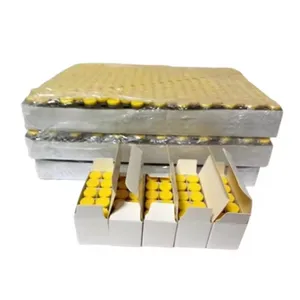
All Interleukin-6 fragment (human) shipments are dispatched using validated cold-chain logistics to maintain product stability. Each vial includes a Certificate of Analysis (COA) and HPLC purity report. Global delivery is available through FedEx, DHL, and UPS with full tracking and temperature-controlled packaging.
Transaction Guarantee
Transactions are protected under our secure payment and verification protocols. Every order is covered by a 100% quality replacement or refund guarantee in case of product inconsistency or damage. Confidential data and institutional purchase details are fully encrypted.
Additional information
| Weight | 0.8 kg |
|---|---|
| Dimensions | 63 × 28 × 63 cm |
Q1: What is Interleukin-6 fragment (human)?
A1: It is a synthetic peptide derived from the human IL-6 cytokine, used to study receptor interactions and cytokine signaling.
Q2: How does IL-6 fragment differ from full-length IL-6?
A2: The fragment retains essential receptor-binding domains without the entire cytokine sequence, allowing focused mechanistic studies.
Q3: What is its main research application?
A3: It is used in immunology, inflammation, and oncology research to explore IL-6-related pathways.
Q4: Can the IL-6 fragment activate gp130 signaling?
A4: Depending on the sequence, it can partially activate or competitively inhibit gp130-mediated signaling.
Q5: Is the IL-6 fragment suitable for in vivo use?
A5: It may be used in controlled preclinical models but is not approved for therapeutic use in humans.
Q6: How is the IL-6 fragment stored?
A6: Store at -20°C in a desiccated, light-protected container.
Q7: Is it soluble in aqueous media?
A7: Yes, it dissolves readily in sterile water, PBS, or physiological buffers.
Q8: What safety precautions should be taken?
A8: Use gloves and eye protection; handle under sterile conditions in a biosafety cabinet.
Q9: Can it be used to test IL-6 inhibitors?
A9: Yes, it is often used as a control or ligand for screening IL-6 pathway inhibitors.
Q10: Do you provide bulk or GMP-grade IL-6 fragment?
A10: Bulk synthesis and GMP-grade materials can be provided upon request.
Related products
Retatrutide Raw Material Factory: Low-Price Wholesale for High-Purity Peptides
Retatrutide MOQ 1 Box Source Dry Powder Original price was: $38.00.$22.00Current price is: $22.00.Factory Supply Peptide Healthcare 99% with Safe Delivery
Peptide Healthcare Usage Delta-Sleep Inducing Peptides Purity 99%Over Dose 2mg 5mg 10mg 15mg 20mg Highe Original price was: $28.00.$23.00Current price is: $23.00.Tesamorelin Raw Material Factory: Low-Price Wholesale for High-Purity Peptides
Tesamorelin Egrifta; Tesamorelin; 218949-48-5; 804475-66-9; TH9507; ... Compound CID: 16137828 MF: C221H366N72O67S Original price was: $38.00.$23.00Current price is: $23.00.Wholesale Cibinetide Peptide Sterile Solution
Cibinetide Sterile Solution is a synthetic, tissue-protective erythropoietin-derived peptide engineered for research use in inflammation, neuroprotection, and cellular stress-response models. Its high purity, GMP-compliant preparation, and ready-to-use sterile formulation make it ideal for laboratories requiring consistent, reproducible peptide performance in advanced mechanistic studies.(For research use only. Not for human or veterinary use) Original price was: $38.00.$22.00Current price is: $22.00.


Reviews
There are no reviews yet.