
No products in the cart.
Sale
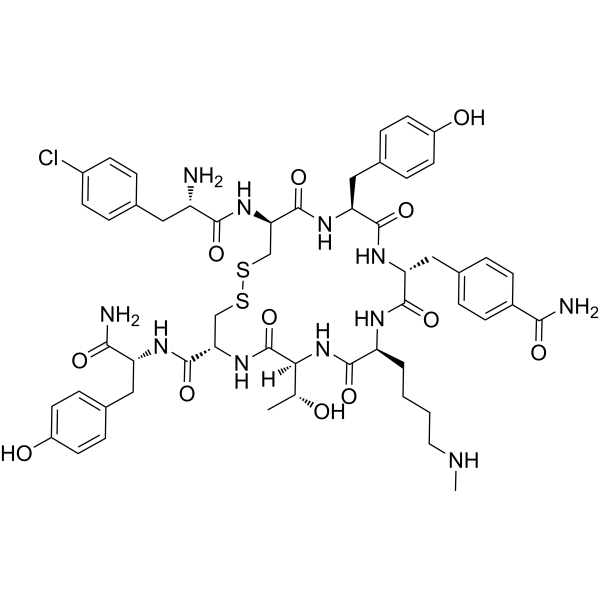
Axareotide | CAS 2126833-17-6 | Somatostatin Analogue for Endocrine
Original price was: $19.00.$16.00Current price is: $16.00.
Axareotide is a somatostatin analogue peptide that regulates hormonal secretion and cell signaling. It is widely used in neuroendocrine, metabolic, and tumor biology research to explore the functions of somatostatin receptors.

Description
Product Description
Axareotide (CAS 2126833-17-6) is a synthetic somatostatin analogue peptide designed to mimic the biological effects of endogenous somatostatin, a key regulatory hormone involved in inhibiting endocrine secretion, modulating neurotransmission, and controlling cell proliferation. Somatostatin acts through five G protein–coupled receptor subtypes (SSTR1–SSTR5), which are distributed in a wide range of tissues, including the pituitary gland, pancreas, gastrointestinal tract, and nervous system.
Axareotide selectively binds to multiple somatostatin receptor subtypes, particularly SSTR2 and SSTR5, with high affinity, triggering Gi protein–mediated signaling cascades that suppress adenylyl cyclase activity and decrease intracellular cyclic AMP (cAMP) levels. This inhibitory signaling reduces the secretion of key hormones such as growth hormone (GH), insulin, glucagon, gastrin, and thyroid-stimulating hormone (TSH), thereby providing an effective molecular tool for research into neuroendocrine control and metabolic regulation.
In oncological studies, Axareotide has been employed to investigate the antiproliferative properties of somatostatin analogues. Activation of somatostatin receptors leads to cell cycle arrest, induction of apoptosis, and inhibition of angiogenesis through the downregulation of vascular endothelial growth factor (VEGF). The peptide’s receptor-binding versatility makes it valuable in preclinical research on neuroendocrine tumors, pituitary adenomas, and gastrointestinal carcinoids.
In neuroscience research, Axareotide has been utilized to explore somatostatin’s neuromodulatory role in the central nervous system. Somatostatin receptor activation influences synaptic transmission, neuronal excitability, and neuroprotection through the regulation of calcium channel activity and membrane hyperpolarization.
Pharmacologically, Axareotide exhibits improved enzymatic stability and receptor selectivity compared with natural somatostatin, providing longer biological activity in experimental systems. Its stability allows for sustained receptor activation, making it ideal for in vitro receptor pharmacology, signaling pathway dissection, and peptide–receptor binding kinetics studies.
Collectively, Axareotide is a research-grade somatostatin mimetic that supports a wide spectrum of investigations in endocrine signaling, metabolic regulation, neuroendocrine oncology, and pharmacodynamic receptor mapping.
Product Specifications
| Property | Description |
|---|---|
| Product Name | Axareotide |
| CAS Number | 2126833-17-6 |
| Synonyms | Somatostatin analogue peptide; SSTR agonist |
| Molecular Formula | CₓHᵧNᵧOᵧSᵧ (available upon request) |
| Purity | ≥99% |
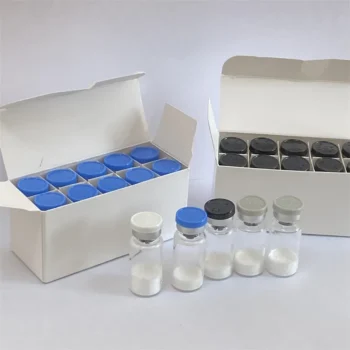
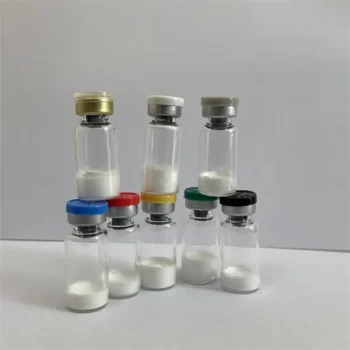
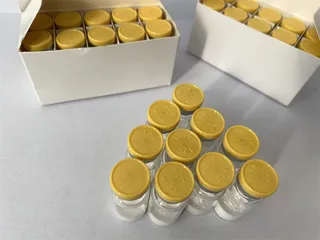
| Form | Lyophilized powder |
| Storage | −20°C, desiccated and light-protected |
| Solubility | Soluble in sterile water or phosphate-buffered saline (PBS) |
| Stability | Stable for ≥12 months at recommended conditions |
| Category | Peptide hormone analogue; GPCR modulator |
| Applications | Endocrine regulation, hormone secretion studies, neuroendocrine tumor research |
| Research Area | Endocrinology, Oncology, Neuroscience, Pharmacology |
| Intended Use | For laboratory research use only |
Mechanism of Action
Axareotide acts as a potent agonist at somatostatin receptors (SSTR1–SSTR5), particularly SSTR2 and SSTR5. These receptors belong to the G protein–coupled receptor (GPCR) family and primarily mediate inhibitory signals through Gi/o proteins. Upon receptor engagement, Axareotide induces adenylyl cyclase inhibition, leading to reduced cAMP synthesis and downstream suppression of protein kinase A (PKA) activity.
This signaling pathway results in the inhibition of voltage-gated calcium channels, decreasing calcium influx and suppressing exocytosis of secretory granules. Consequently, secretion of key hormones—such as growth hormone, insulin, glucagon, and gastrin—is attenuated.
In addition to hormonal control, Axareotide activation of somatostatin receptors exerts antiproliferative and antiangiogenic effects via activation of protein tyrosine phosphatases (PTPs) and modulation of MAPK and PI3K/Akt pathways. These molecular effects contribute to reduced tumor cell growth, migration, and vascularization in various cancer models.
Axareotide also affects neuronal signaling by promoting potassium channel opening, causing membrane hyperpolarization and decreased excitatory neurotransmission. This underlies its use in research on neurotransmitter modulation and neuronal network inhibition.
Overall, Axareotide’s mechanism provides a valuable experimental system for understanding hormone feedback loops, signal transduction cascades, and tumor suppression mechanisms governed by the somatostatin receptor family.
Side Effects
In laboratory settings, Axareotide demonstrates a low toxicity profile, but exaggerated receptor stimulation may transiently alter glucose metabolism, hormone levels, or cellular signaling balance. In vitro exposure at high concentrations can reduce cell proliferation or induce mild apoptotic activity due to prolonged somatostatin receptor activation.
Potential reversible effects observed in animal models include temporary reduction in growth hormone levels, mild hypoglycemia, or decreased gastrointestinal motility. These findings underscore the importance of dose optimization when using Axareotide in preclinical systems.
No genotoxic or mutagenic properties have been reported. The compound is for research use only, not for human or therapeutic administration.
Disclaimer
All information provided is intended for laboratory research use only. Axareotide is not approved for diagnostic or therapeutic applications.
Keywords
Axareotide, CAS 2126833-17-6, somatostatin analogue, SSTR agonist, endocrine peptide, neuroendocrine tumor research, hormone secretion inhibitor, GPCR modulator, peptide pharmacology compound
Shipping Guarantee
All peptides are shipped under temperature-controlled conditions with vacuum-sealed, moisture-resistant packaging. Each lot includes a Certificate of Analysis (COA) confirming ≥99% purity and verified molecular weight.
Trade Guarantee
We ensure consistent synthesis quality, secure international delivery, and comprehensive analytical data for every batch. Quality assurance follows ISO and GLP-grade research standards.
Additional information
| Weight | 0.8 kg |
|---|---|
| Dimensions | 56 × 26 × 56 cm |
1 review for Axareotide | CAS 2126833-17-6 | Somatostatin Analogue for Endocrine
Q: What is Axareotide?
A: Axareotide is a synthetic somatostatin analogue used to study endocrine hormone regulation and receptor-mediated signaling.
Q: What are the main targets of Axareotide?
A: It primarily activates somatostatin receptors SSTR2 and SSTR5.
Q: What is its purity level?
A: Axareotide is synthesized with ≥99% purity, verified by HPLC and MS.
Q: What is its main research application?
A: It is used in studies of hormone secretion, tumor inhibition, and signal transduction.
Q: How should it be stored?
A: Store at −20°C, dry and light-protected, to maintain stability.
Q: Does it have anti-tumor properties?
A: Yes, it can inhibit tumor cell proliferation and angiogenesis via somatostatin receptor signaling.
Q: Is Axareotide suitable for in vivo research?
A: Yes, under controlled laboratory protocols with appropriate ethical approval.
Q: Can it affect insulin or GH secretion?
A: Yes, it reduces both growth hormone and insulin release by blocking cAMP signaling.
Q: What type of compound is it?
A: A stable, long-acting peptide analogue of natural somatostatin.
Q: Is it for clinical use?
A: No, Axareotide is strictly for laboratory research use only.
Related products
Retatrutide cost with insurance
Retatrutide cost with insurance Original price was: $38.00.$26.00Current price is: $26.00.High Purity Weight Loss Peptide Reta, Trutide, GHK-Cu, Epitalon Peptide – The Ultimate Solution for Effective Weight Loss and Anti-Aging
Weight Loss Peptide Function Dose 2mg 5mg 10mg 15mg 20mg Higher Original price was: $36.00.$25.00Current price is: $25.00.Factory Supply Peptide Healthcare 99% with Safe Delivery
Peptide Healthcare Usage Delta-Sleep Inducing Peptides Purity 99%Over Dose 2mg 5mg 10mg 15mg 20mg Highe Original price was: $28.00.$23.00Current price is: $23.00.Tirzepatide Raw Material Factory: Low-Price Wholesale for High-Purity Peptides
Tirzepatide Compound CID: 163285897 MF: C225H348N48O68 diabetes [9][13][14][15] and for weight loss Original price was: $38.00.$23.00Current price is: $23.00.


camilapenden –
Logistics were well organized and delivery was dependable.