
No products in the cart.
Sale
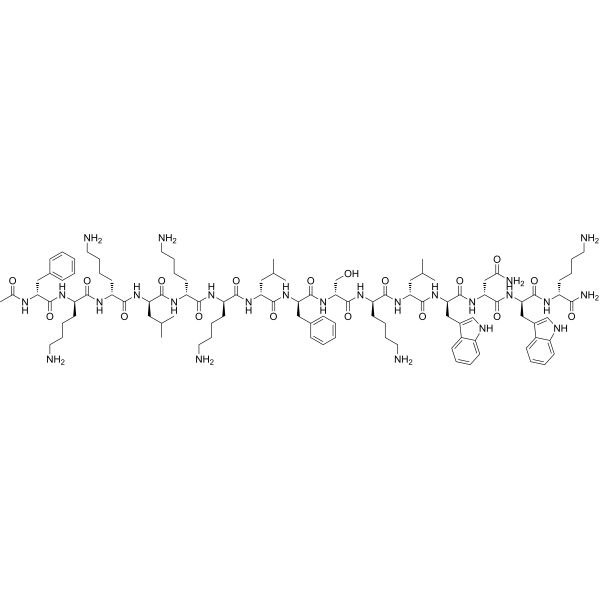
Gosteganan | CAS 1342808-13-2 | Antimicrobial Peptide for Microbial Resistance Research
Original price was: $2.00.$1.00Current price is: $1.00.
Gosteganan (CAS 1342808-13-2) is a synthetic antimicrobial agent known for its strong activity against Gram-positive and Gram-negative bacteria. It acts primarily by disrupting microbial membranes, making it a valuable peptide for antimicrobial resistance and infection research.

Description
Product Description
Gosteganan is a synthetic antimicrobial peptide designed to target and disrupt microbial cell membranes, resulting in rapid inhibition of bacterial proliferation. It belongs to a class of peptides known for their amphipathic and cationic nature, which allows them to selectively interact with negatively charged microbial membranes while sparing mammalian cells. Through its membrane-disruptive mechanism, Gosteganan exerts potent bactericidal and bacteriostatic effects across a wide range of bacterial and fungal species.
The compound is commonly used in the investigation of antimicrobial resistance (AMR), a growing global concern in microbiology and drug discovery. Gosteganan serves as a molecular probe for studying bacterial defense mechanisms, biofilm formation, and the evolution of resistance. Its peptide structure provides valuable insights into the physicochemical principles underlying antimicrobial selectivity and potency.
In vitro studies indicate that Gosteganan induces bacterial membrane depolarization and leakage of cytoplasmic content, leading to cell lysis. It also interferes with bacterial signaling pathways that regulate quorum sensing and biofilm maturation. The compound’s high stability and resistance to proteolytic degradation make it suitable for long-term microbiological and biochemical studies.
Researchers utilize Gosteganan to explore host-pathogen interactions and innate immune responses, as it mimics several structural features of natural host-defense peptides. Its synthetic flexibility enables structural modifications for structure–activity relationship (SAR) analyses, enabling the optimization of antimicrobial potency and selectivity profiles.
Due to its potent and broad-spectrum antimicrobial activity, Gosteganan is employed in comparative studies with conventional antibiotics and other antimicrobial peptides to assess cross-resistance, synergistic effects, and membrane biophysics. The peptide provides a reliable experimental model for the design of next-generation antimicrobial agents capable of overcoming multidrug resistance.
Product Specifications
| Property | Description |
|---|---|
| Product Name | Gosteganan |
| CAS Number | 1342808-13-2 |
| Synonyms | Synthetic antimicrobial peptide; Host-defense peptide analog |
| Molecular Formula | CₓHᵧNᵧOᵧ (available upon request) |
| Purity | ≥99% |
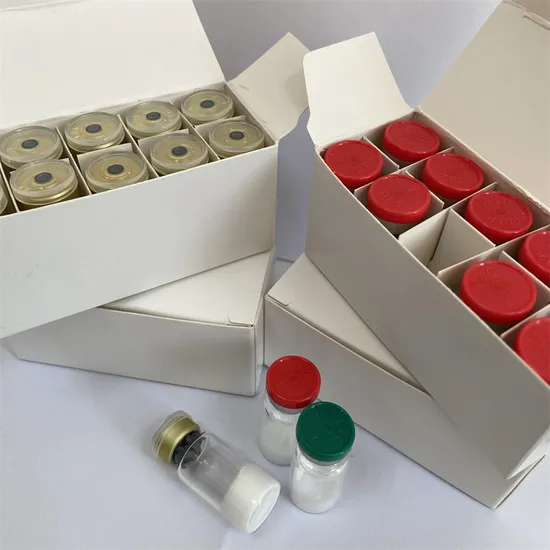
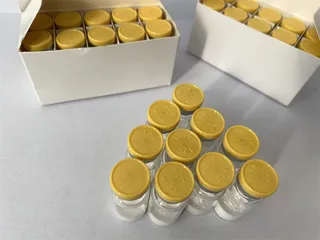
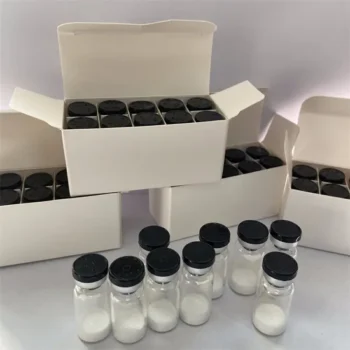
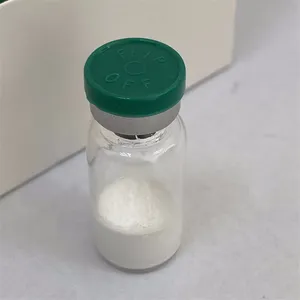
| Form | Lyophilized peptide powder |
| Storage | −20°C, protected from light and moisture |
| Solubility | Soluble in water, PBS, or DMSO |
| Stability | Stable for ≥12 months under recommended storage |
| Category | Antimicrobial peptide; Host-defense analog |
| Applications | Antimicrobial resistance studies, infection biology, bacterial membrane research |
| Research Area | Microbiology, Biochemistry, Immunology, Pharmaceutical Sciences |
| Intended Use | For laboratory research use only |
Mechanism of Action
Gosteganan operates primarily through a membrane-disruptive mechanism. Its amphipathic α-helical structure enables it to integrate into bacterial phospholipid bilayers, destabilizing membrane integrity and causing pore formation. This process leads to rapid ion leakage, depolarization, and bacterial cell death.
Unlike traditional antibiotics that target specific enzymatic or biosynthetic pathways, Gosteganan’s mechanism is non-specific yet selective—it preferentially binds to negatively charged bacterial membranes due to its net positive charge. This electrostatic attraction allows for insertion into microbial membranes while minimizing toxicity to eukaryotic cells.
At the molecular level, Gosteganan induces structural perturbations in the lipid bilayer, forming transient pores or toroidal channels. This compromises cellular homeostasis, leading to loss of membrane potential, ATP depletion, and metabolic arrest. Additionally, the peptide can inhibit intracellular targets by penetrating bacterial cytoplasm, interfering with nucleic acid synthesis and protein translation in some species.
Its mechanism also includes anti-biofilm activity, as Gosteganan disrupts extracellular polymeric matrices, preventing bacterial adhesion and biofilm development. By suppressing quorum sensing signals, it reduces virulence factor expression, making it an essential research tool for understanding microbial communication and infection control.
Side Effects
In laboratory settings, Gosteganan demonstrates low cytotoxicity toward mammalian cells at research-relevant concentrations. However, higher doses may cause mild membrane perturbations in eukaryotic cells due to non-specific lipid interactions. In animal model studies, excessive exposure has been associated with transient inflammatory responses at local administration sites.
It is recommended to handle Gosteganan with appropriate protective measures and adhere to institutional biosafety guidelines. Avoid aerosolization or direct skin contact when preparing working solutions. The peptide should not be used for clinical or diagnostic purposes.
Disclaimer
This product is intended for laboratory research use only and not for human or veterinary use. The information provided is for scientific and educational research applications only. Always handle with standard laboratory precautions.
Keywords
Gosteganan peptide, CAS 1342808-13-2, antimicrobial peptide, bacterial membrane disruptor, AMR research compound, infection biology peptide, biofilm inhibitor, host-defense peptide analog, antibacterial activity model, microbial resistance study
Shipping Guarantee
All shipments are handled using validated cold-chain logistics to preserve peptide integrity. Each package is sealed in moisture-proof containers with secondary protective wrapping and continuous temperature monitoring. Products are shipped via express international couriers with full tracking and insurance coverage.
Trade Assurance
We ensure product authenticity, verified ≥99% purity, and compliance with analytical standards (HPLC, MS, and NMR). Each batch is supplied with a Certificate of Analysis (CoA). Our trade assurance policy guarantees replacement or refund for any deviation from listed specifications.
Additional information
| Weight | 0.8 kg |
|---|---|
| Dimensions | 56 × 23 × 56 cm |
Q1: What is the primary mode of action of Gosteganan?
A1: Gosteganan disrupts bacterial membranes, causing depolarization, ion leakage, and bacterial death.
Q2: Is Gosteganan effective against both Gram-positive and Gram-negative bacteria?
A2: Yes, it exhibits broad-spectrum antimicrobial activity against multiple bacterial classes.
Q3: What storage conditions are recommended?
A3: Store lyophilized Gosteganan at −20°C, protected from moisture and light.
Q4: Can Gosteganan be reconstituted in aqueous buffers?
A4: Yes, it is soluble in sterile water, PBS, or DMSO depending on experimental design.
Q5: What purity level is provided?
A5: Gosteganan is guaranteed to have a purity of ≥99%.
Q6: Does Gosteganan show cytotoxic effects?
A6: It shows minimal cytotoxicity in normal mammalian cells at research concentrations.
Q7: What are the main research applications of Gosteganan?
A7: It is used in antimicrobial resistance studies, infection biology, and membrane biophysics research.
Q8: Can Gosteganan inhibit biofilm formation?
A8: Yes, it interferes with bacterial adhesion and disrupts biofilm development.
Q9: Is a Certificate of Analysis (CoA) provided?
A9: Yes, every batch is shipped with a full CoA confirming identity and purity.
Q10: Is Gosteganan approved for clinical use?
A10: No, it is strictly for laboratory research purposes only.
Related products
Semaglutide Raw Material Factory: Low-Price Wholesale for High-Purity Peptides
Semaglutide Compound CID: 56843331 MF: C187H291N45O59Purity: 99%
Form: Lyophilized powder
Dosage Options: 5mg, 10mg, 15mg per vial
Packaging: Secure box packaging
Shelf Life: 2 years (store in a cool, dry place)
MOQ: 1 box
GLP-1/GIP/glucagon combination therapy The Future of Metabolic Treatment (Wholesale Supplier Guide)
GLP-1/GIP/glucagon combination therapy Original price was: $38.00.$23.00Current price is: $23.00.Tirzepatide Raw Material Factory: Low-Price Wholesale for High-Purity Peptides
Tirzepatide Compound CID: 163285897 MF: C225H348N48O68 diabetes [9][13][14][15] and for weight loss Original price was: $38.00.$23.00Current price is: $23.00.Anti-Aging Peptide Raw Powder CAS 307297-39-8 Epitalon – Low Price Wholesale
Anti-Aging Moq:10 vials per box Appearance:Lyophilized powder Purity:99% Original price was: $29.00.$23.00Current price is: $23.00.


Reviews
There are no reviews yet.