
No products in the cart.
Sale
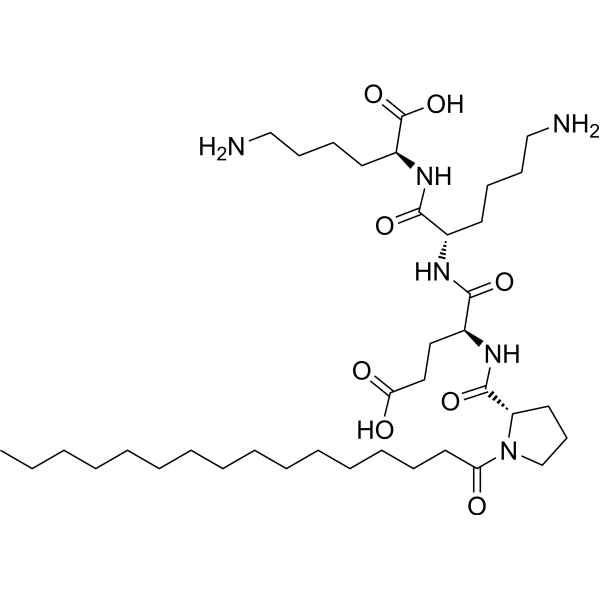


Palmitoyl tetrapeptide-20 | Melanogenesis-Activating Peptide for Hair Pigmentation and Anti-Graying Research
Original price was: $3.00.$1.00Current price is: $1.00.
Palmitoyl tetrapeptide-20 (PTP20) is a biomimetic α-MSH agonist peptide studied for its role in hair pigmentation and anti-graying mechanisms. It activates the MC1-R pathway, enhances catalase and SIRT1 activity, and reduces oxidative stress linked to melanin depletion.

Description
Product Description
Palmitoyl tetrapeptide-20 (PTP20) is a synthetic biomimetic peptide specifically designed to emulate the natural activity of α-Melanocyte-Stimulating Hormone (α-MSH), a key regulator of melanin synthesis and pigmentation. It functions as an agonist of the melanocortin-1 receptor (MC1-R), an essential receptor in melanogenesis, and exhibits high binding affinity (AC₅₀: 0.16 nM). Due to its dual antioxidant and melanogenic regulatory properties, Palmitoyl tetrapeptide-20 has emerged as a valuable molecule in hair pigmentation, anti-graying, and scalp rejuvenation research.
In natural aging, oxidative stress and hydrogen peroxide (H₂O₂) accumulation play pivotal roles in pigment cell degradation and loss of melanin synthesis. H₂O₂ accumulation leads to melanocyte apoptosis and impairs the activity of tyrosinase—the enzyme central to melanin biosynthesis. Palmitoyl tetrapeptide-20 helps restore melanin homeostasis by enhancing catalase activity, thereby breaking down H₂O₂ into water and oxygen. This antioxidant pathway effectively protects follicular melanocytes and supports melanin production in experimental models.
Beyond its catalase-modulating function, PTP20 also activates SIRT1, a key sirtuin enzyme involved in mitochondrial regulation, oxidative defense, and cellular longevity. The upregulation of SIRT1 helps maintain energy metabolism and reduces cellular senescence within hair follicles. By sustaining mitochondrial function and mitigating oxidative DNA damage, Palmitoyl tetrapeptide-20 enables researchers to explore how molecular pathways influence hair vitality and pigmentation under stress conditions.
The lipophilic palmitoyl group of PTP20 enhances its affinity for cell membranes, improving peptide stability, penetration, and receptor interaction. This amphiphilic property is critical for its performance in in vitro studies using dermal papilla cells or melanocyte cultures. In these systems, PTP20 effectively mimics the α-MSH signal cascade—stimulating adenylate cyclase, elevating cyclic AMP (cAMP), and upregulating microphthalmia-associated transcription factor (MITF). The activation of MITF subsequently promotes the expression of tyrosinase, TRP-1, and TRP-2, leading to increased melanin synthesis and pigment retention.
In cosmetic science research, Palmitoyl tetrapeptide-20 serves as a model compound for studying hair color maintenance, oxidative protection, and scalp aging. It represents a non-hormonal, peptide-based approach to restoring pigmentation via intrinsic cellular mechanisms rather than external coloring agents. Its dual role as an antioxidant and MC1-R activator bridges redox biology with peptide-based rejuvenation pathways.
Researchers investigating hair graying reversal, follicular oxidative stress, or melanocyte signaling can employ Palmitoyl tetrapeptide-20 to probe critical biochemical responses related to pigmentation homeostasis. Its biomimetic action provides a precise and controlled model for understanding α-MSH signaling in human-derived hair follicle systems. Moreover, by reducing oxidative burden through catalase and SIRT1 modulation, it contributes to maintaining follicular stem cell vitality—an essential factor for long-term hair density and pigment retention in experimental frameworks.
In addition to hair-related studies, Palmitoyl tetrapeptide-20 is being explored for cosmetic skin pigmentation research, especially in the field of adaptive melanogenesis and oxidative skin barrier balance. The peptide’s cross-functional potential allows it to serve as a versatile bioactive model across pigment biology, oxidative biochemistry, and cosmetic dermatology.
Product Specifications
| Property | Description |
|---|---|
| Product Name | Palmitoyl tetrapeptide-20 |
| CAS Number | — |
| Synonyms | PTP20; α-MSH mimetic peptide; Melanogenesis-activating tetrapeptide |
| Molecular Formula | CₓHₓNₓOₓ (peptide-based structure, variable due to lipid conjugation) |
| Purity | ≥99% |
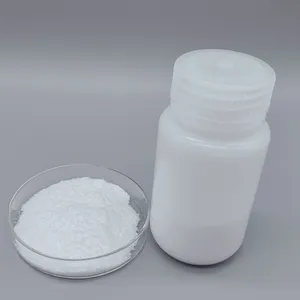
| Appearance | White to off-white lyophilized powder |
| Solubility | Soluble in water, ethanol, and DMSO |
| Storage | Store at -20°C in a dry, light-protected environment |
| Category | Cosmetic Peptides; Hair Pigmentation Research |
| Applications | Hair pigmentation, anti-graying research, antioxidant peptide studies |
| Research Area | Cosmetology, Trichology, Melanogenesis |
| Intended Use | For laboratory research use only |
Mechanism of Action
Palmitoyl tetrapeptide-20 functions as an α-MSH receptor (MC1-R) agonist, initiating a signaling cascade that promotes melanin production and protects follicular melanocytes. Upon binding to MC1-R, it triggers cyclic AMP accumulation, which activates protein kinase A (PKA). PKA phosphorylates CREB (cAMP-response element-binding protein), upregulating the transcription of MITF—a master regulator of melanogenic enzyme expression.
MITF activation increases the synthesis of tyrosinase, TRP-1, and TRP-2, key enzymes that catalyze the conversion of tyrosine to melanin. This results in enhanced pigment synthesis and restoration of natural hair coloration in model systems.
Simultaneously, Palmitoyl tetrapeptide-20 activates catalase, a crucial antioxidant enzyme responsible for breaking down H₂O₂ molecules generated during metabolic stress. Elevated catalase activity prevents oxidative damage to melanocytes and keratinocytes, thus preserving pigment cell viability.
Another vital aspect of its mechanism is the upregulation of SIRT1 activity. SIRT1 modulates mitochondrial efficiency, DNA repair, and oxidative resilience. Through SIRT1 activation, PTP20 helps delay cellular senescence in melanogenic cells and supports prolonged pigmentation under oxidative pressure.
Furthermore, the palmitoyl lipid chain enhances peptide affinity to cell membranes, enabling efficient receptor docking and intracellular signaling. This amphiphilic adaptation enhances both penetration and stability in lipid-rich cellular environments, making it suitable for long-term in vitro cosmetic peptide experimentation.
By integrating MC1-R agonism, antioxidant modulation, and metabolic regulation, Palmitoyl tetrapeptide-20 provides a multidimensional research model for understanding pigmentation biology and oxidative hair aging at the molecular level.
Side Effects
Palmitoyl tetrapeptide-20 exhibits excellent safety and tolerability in laboratory studies. It is a non-toxic, biomimetic peptide designed for in vitro cosmetic research. No cytotoxic effects have been reported at standard concentrations used in cell culture models. However, as with all research-grade materials, it is not intended for clinical use, topical application, or human consumption. Proper protective handling and storage are required to maintain stability and experimental reliability.
Keywords
Palmitoyl tetrapeptide-20; α-MSH agonist; MC1-R activator; hair pigmentation peptide; anti-graying research; melanogenesis peptide; antioxidant peptide; SIRT1 modulator; catalase activation; cosmetic peptide research.
Shipping Guarantee
All shipments are handled using validated cold-chain logistics to preserve peptide integrity. Each package is sealed in moisture-proof containers with secondary protective wrapping and continuous temperature monitoring. Products are shipped via express international couriers with full tracking and insurance coverage.

Trade Assurance
We ensure product authenticity, verified ≥99% purity, and compliance with analytical standards (HPLC, MS, and NMR). Each batch is supplied with a Certificate of Analysis (CoA). Our trade assurance policy guarantees replacement or refund for any deviation from listed specifications.
Payment Support
We provide flexible and secure global payment options to support international research transactions. Accepted payment methods include PayPal, major credit cards (Visa, MasterCard, American Express), telegraphic transfer (T/T), and cryptocurrencies (USDT, Bitcoin, Ethereum). All transactions are protected by industry-standard encryption and verified payment gateways to ensure confidentiality and fund security.
Disclaimer
All products listed are intended for laboratory research use only and not for human or veterinary use. They are not drugs, medical devices, or diagnostics and should not be administered to humans or animals. Researchers must handle all materials in accordance with institutional biosafety and chemical safety guidelines. The information provided is for scientific reference only and does not imply therapeutic efficacy, safety, or regulatory approval.

Additional information
| Weight | 0.8 kg |
|---|---|
| Dimensions | 62 × 53 × 62 cm |
What is Palmitoyl tetrapeptide-20 used for?
It is used in research exploring hair pigmentation, anti-graying, and oxidative stress regulation.
How does Palmitoyl tetrapeptide-20 promote pigmentation?
It acts as an α-MSH agonist that activates MC1-R, stimulating melanin production.
What role does catalase play in its mechanism?
Catalase decomposes hydrogen peroxide, reducing oxidative damage in hair follicles.
Does it affect SIRT1 activity?
Yes, Palmitoyl tetrapeptide-20 upregulates SIRT1 to support mitochondrial function and cellular longevity.
Is it suitable for anti-aging research?
Yes, it is commonly used to investigate oxidative and pigment-related aspects of aging.
Is it safe for human use?
It is intended strictly for research use only and not for topical or clinical application.
What is the peptide’s purity?
Verified at ≥99% by analytical testing.
How should it be stored?
Store at -20°C in a dry, dark place to preserve stability.
Does it dissolve in water?
Yes, it is soluble in water, ethanol, and DMSO.
Is a Certificate of Analysis available?
Yes, each batch is accompanied by a CoA confirming identity and purity.
Related products
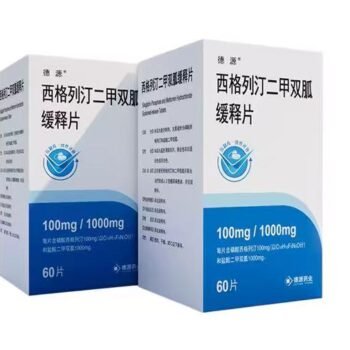
Sitagliptin and Metformin Hydrochloride Extended 100mg low price supplier
Formulated for laboratory research use, Sitagliptin and Metformin Hydrochloride Extended-Release Tablets combine a DPP-4 inhibitor and biguanide. Manufactured by Qilu Pharmaceutical (Hainan) Co., Ltd., approved under H20253718.
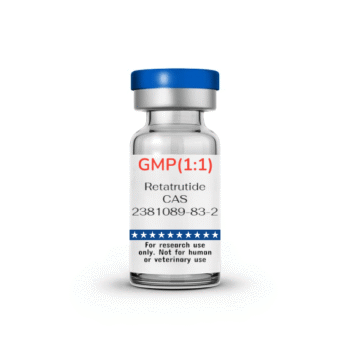
Original price was: $6.00.$3.00Current price is: $3.00.Retatrutide | CAS 2381089-83-2 | Dual GLP-1/GIP/Glucagon Receptor Agonist
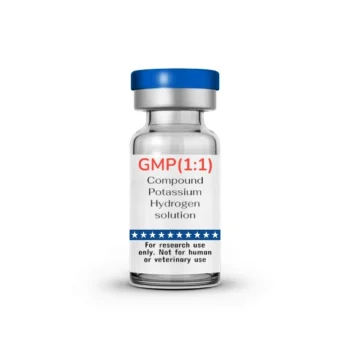
Retatrutide (CAS 2381089-83-2) is a high-purity research-grade peptide optimized for in vitro mechanistic studies. It supports investigations into signal transduction, receptor interactions, and molecular pathway modulation. Supplied as a lyophilized powder, it ensures stability and reproducibility for laboratory research applications. Original price was: $14.00.$12.00Current price is: $12.00.Compound Potassium Hydrogen Phosphate solution wholesale
Compound Potassium Hydrogen Phosphate is a high-purity inorganic phosphate salt widely used in biochemical buffering systems, nutrient formulations, and industrial research applications. Supplied with stable quality for laboratory and bulk research use.
Original price was: $26.00.$23.00Current price is: $23.00.Tadalafil (CAS 171596-29-5) 20mg for laboratory research
High-purity Tadalafil powder for in vitro mechanistic research and molecular pathway studies. Factory-manufactured and available in bulk for laboratory use. Original price was: $96.00.$65.00Current price is: $65.00.



Reviews
There are no reviews yet.