
No products in the cart.
Sale
Hexapeptide-3 | CAS 1205679-02-2 | Bioactive Peptide for Skin Repair and Anti-Aging
Original price was: $3.00.$2.00Current price is: $2.00.
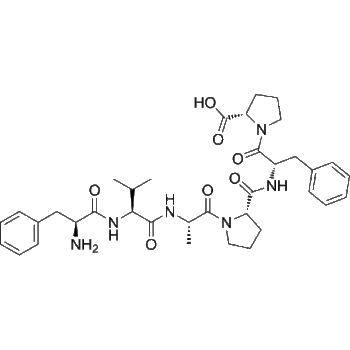
Hexapeptide-3 (CAS 1205679-02-2) is a bioactive peptide recognized for its remarkable skin-repairing and anti-aging potential. This peptide enhances collagen synthesis, restores skin elasticity, and promotes cellular regeneration, making it a powerful ingredient in cosmetic peptide research focused on rejuvenation, hydration, and wrinkle reduction.

Description
Product Description
Hexapeptide-3 is a synthetic bioactive peptide that has gained widespread recognition in cosmetic peptide research for its potent skin-repairing and rejuvenating effects. Structurally, Hexapeptide-3 is designed to mimic natural signaling molecules within the skin that regulate collagen production, extracellular matrix repair, and cellular communication. Due to its multifunctional biological activity, it has become one of the most promising peptides in modern skincare and dermal science research.
At the molecular level, Hexapeptide-3 promotes fibroblast activity and enhances the synthesis of key structural proteins such as collagen types I and III, elastin, and fibronectin. These proteins play vital roles in maintaining the firmness, elasticity, and resilience of the skin. By stimulating fibroblasts to produce new collagen fibers, Hexapeptide-3 supports tissue renewal and helps reduce the visible signs of aging, including fine lines, sagging, and wrinkles.
One of the unique aspects of Hexapeptide-3 is its ability to restore barrier function and repair damaged dermal tissue caused by oxidative stress, UV radiation, and environmental pollutants. Studies suggest that Hexapeptide-3 can reduce inflammation, inhibit matrix metalloproteinases (MMPs), and promote cell proliferation, all of which contribute to enhanced wound healing and structural recovery of aged or stressed skin.
From a biochemical standpoint, Hexapeptide-3 operates as a signaling peptide that triggers specific pathways within skin cells, including the TGF-β (Transforming Growth Factor Beta) pathway, which plays a critical role in tissue remodeling and cellular repair. This mechanism allows Hexapeptide-3 to not only enhance collagen production but also improve overall dermal density and moisture retention. The result is smoother, more elastic, and visibly rejuvenated skin.
In addition to its reparative properties, Hexapeptide-3 provides strong antioxidant protection. It scavenges reactive oxygen species (ROS) and supports the body’s natural defense mechanisms against free radical damage. This antioxidant activity prevents the breakdown of collagen fibers and helps maintain youthful skin structure even under environmental stress.
In cosmetic research applications, Hexapeptide-3 has been incorporated into formulations for anti-aging creams, serums, and recovery treatments. Its mild, biocompatible profile makes it ideal for sensitive skin studies and advanced peptide delivery systems, such as liposomes or nano-carriers, to ensure optimal dermal penetration and sustained activity.
Researchers value Hexapeptide-3 for its multifunctionality: it simultaneously targets cellular rejuvenation, hydration balance, and elasticity enhancement. Furthermore, it has shown potential in accelerating post-procedure recovery by minimizing inflammation and promoting epidermal renewal. This makes it a valuable research material in studies exploring advanced anti-aging mechanisms, scar treatment, and peptide-based skin therapy.
In conclusion, Hexapeptide-3 represents a new generation of cosmeceutical peptides — a scientific advancement that bridges peptide biochemistry with skin restoration. Its proven bioactivity and wide range of benefits make it an essential compound for laboratories focusing on peptide-based dermal science, anti-aging mechanisms, and innovative skin barrier enhancement strategies.
Product Specifications
| Item | Details |
|---|---|
| Product Name | Hexapeptide-3 |
| CAS Number | 1205679-02-2 |
| Purity | ≥99% |
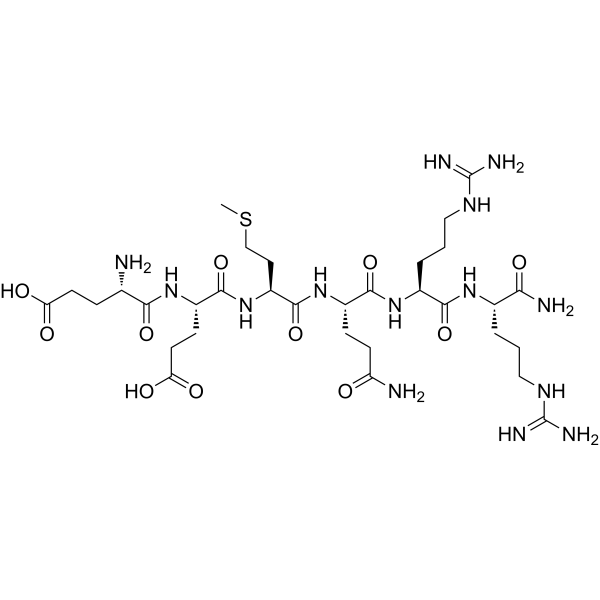
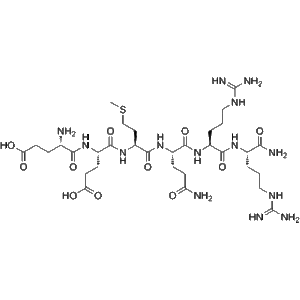
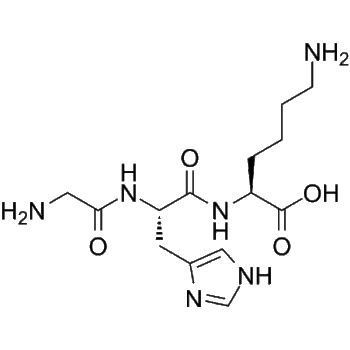
| Molecular Formula | C₃₆H₆₂N₁₀O₁₀ |
| Molecular Weight | 798.94 g/mol |
| Synonyms | HexaPeptide-3; Peptide Complex-3 |
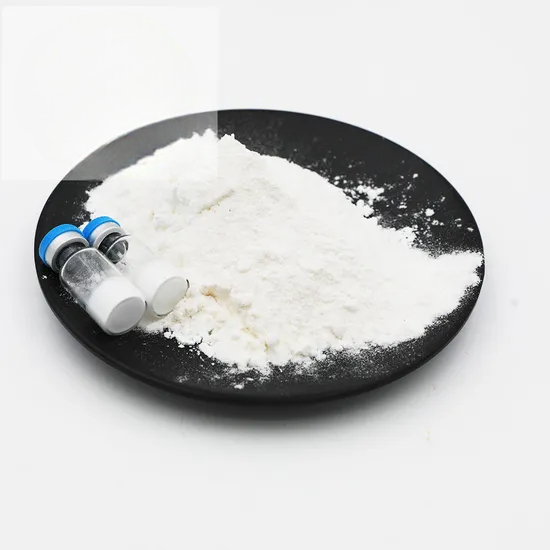
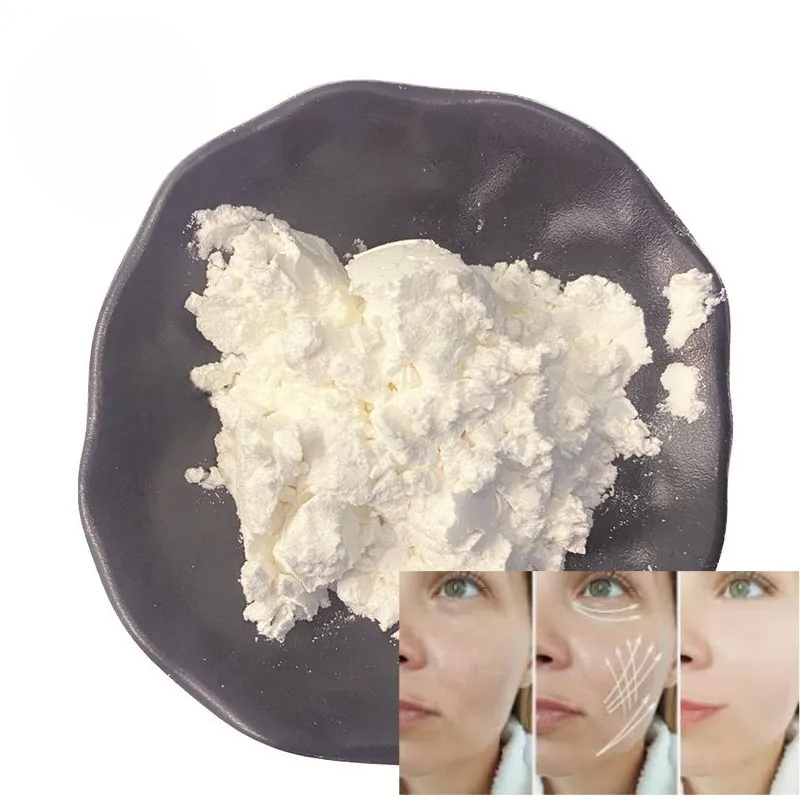
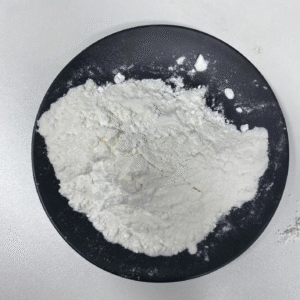
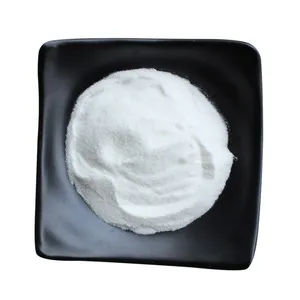
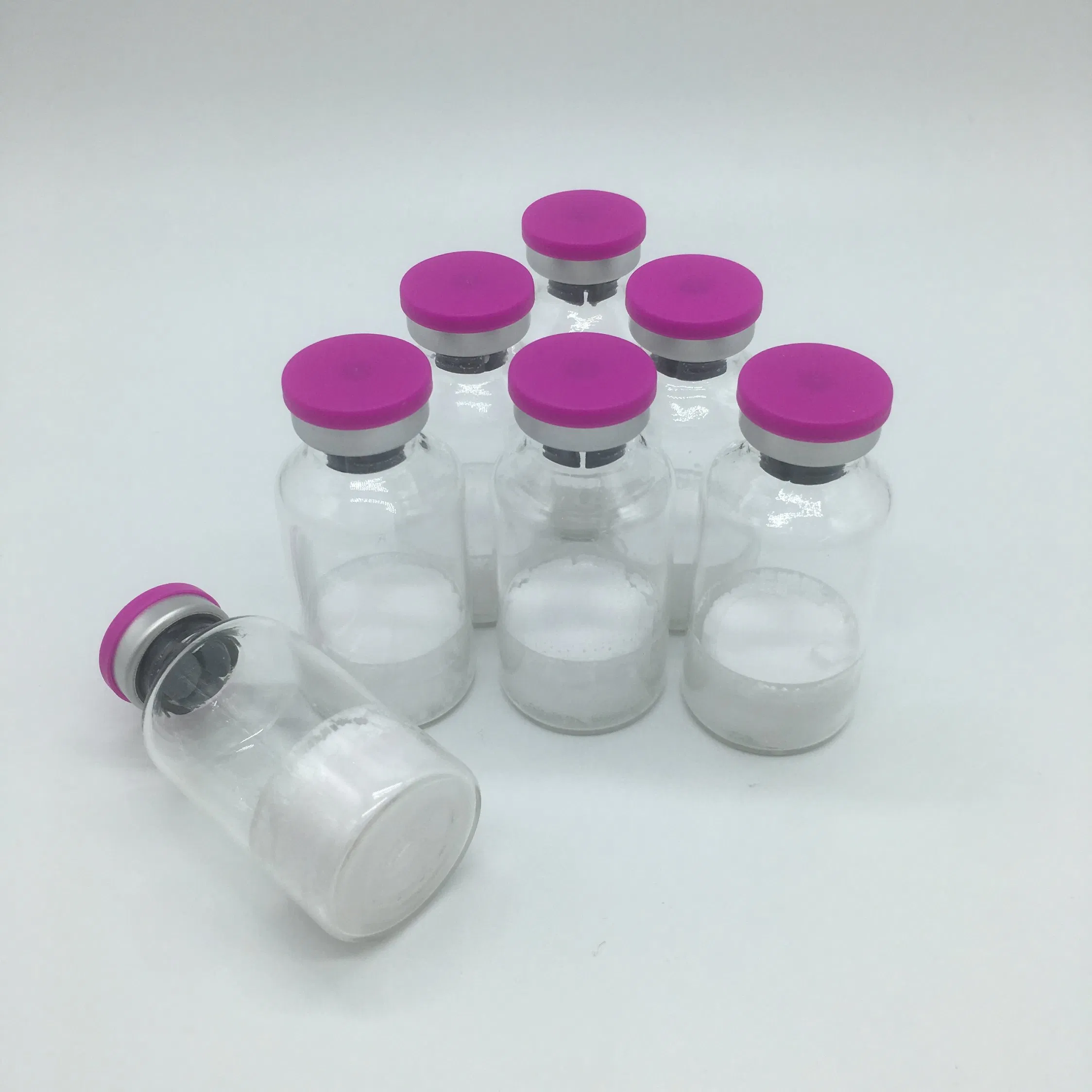
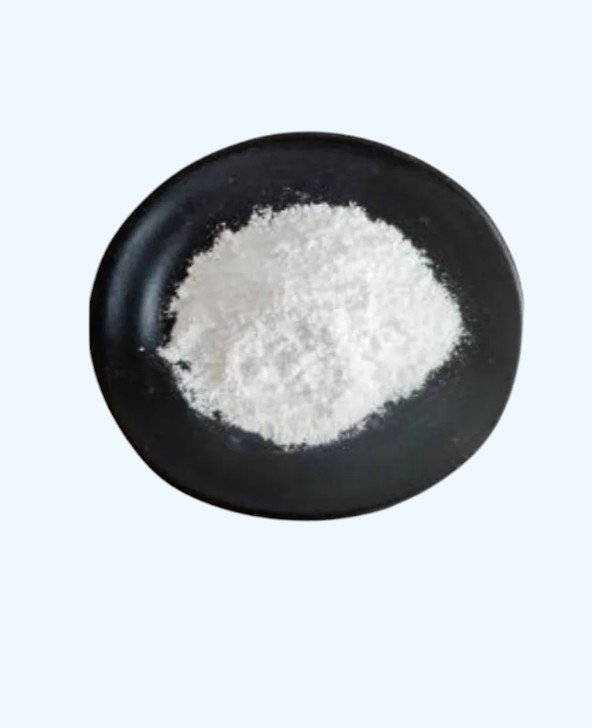
| Appearance | White to off-white powder |
| Solubility | Soluble in water and aqueous buffer |
| Storage | Store at -20°C, protected from light and moisture |
| Category | Cosmetic Peptide; Skin Repair Peptide |
| Applications | Skin regeneration, collagen enhancement, anti-aging research |
| Intended Use | For laboratory research use only |
Mechanism of Action
Hexapeptide-3 functions as a dermal signaling modulator, interacting directly with fibroblast receptors and initiating cascades that promote collagen synthesis and cellular renewal. Its mechanism primarily involves upregulating the TGF-β/Smad signaling axis, which is vital for extracellular matrix synthesis and dermal remodeling.
Through activation of these signaling pathways, Hexapeptide-3 stimulates fibroblasts to increase production of collagen and elastin fibers, reinforcing the skin’s structural integrity. It also inhibits enzymes like MMP-1 and MMP-3, which degrade collagen, thereby preserving existing fibers and preventing premature skin aging.
Another mechanism involves modulation of inflammatory cytokines. Hexapeptide-3 can downregulate TNF-α and IL-6, reducing local inflammation and preventing oxidative stress-related damage. This anti-inflammatory property enhances skin recovery after UV exposure or mechanical injury and supports smoother tissue regeneration.
Furthermore, Hexapeptide-3 enhances epidermal cell turnover and supports skin hydration by improving the synthesis of natural moisturizing factors (NMFs). It facilitates the interaction between keratinocytes and fibroblasts, creating an optimal environment for regeneration. This synergy helps improve the skin’s microrelief, smoothness, and overall youthful texture.
Hexapeptide-3 is also known to improve cellular communication between the dermis and epidermis, helping restore skin vitality. This signaling optimization leads to more resilient and healthier-looking skin over time. Overall, the peptide acts as a biological messenger that reactivates the natural regenerative processes typically diminished by age or oxidative damage.
Side Effects
Hexapeptide-3 is generally considered safe and non-toxic under standard laboratory research conditions. It demonstrates excellent biocompatibility and low allergenic potential, which makes it ideal for topical peptide studies. In cell-based assays and dermatological tests, Hexapeptide-3 has shown minimal cytotoxicity and does not induce irritation or sensitization.
However, as with all bioactive research materials, improper formulation, overexposure, or contamination can alter results or produce unexpected cellular responses. Researchers are encouraged to maintain sterile handling conditions, conduct preliminary cytocompatibility testing, and avoid combining Hexapeptide-3 with aggressive solvents or unstable compounds during experimentation.
When used within recommended laboratory protocols, Hexapeptide-3 maintains consistent stability and activity, supporting long-term studies on dermal repair, collagen metabolism, and aging-related biological pathways.
Keywords
Hexapeptide-3, cosmetic peptide, skin repair peptide, anti-aging peptide, collagen regeneration, fibroblast activator, wrinkle reduction peptide, peptide supplier China, OEM peptide production, factory peptide wholesale, high-purity peptide manufacturer, research peptide supplier.
Shipping Guarantee
All shipments are handled using validated cold-chain logistics to preserve peptide integrity. Each package is sealed in moisture-proof containers with secondary protective wrapping and continuous temperature monitoring. Products are shipped via express international couriers with full tracking and insurance coverage.
Trade Assurance
We ensure product authenticity, verified ≥99% purity, and compliance with analytical standards (HPLC, MS, and NMR). Each batch is supplied with a Certificate of Analysis (CoA). Our trade assurance policy guarantees replacement or refund for any deviation from listed specifications.
Payment Support
We provide flexible and secure global payment options to support international research transactions. Accepted payment methods include PayPal, major credit cards (Visa, MasterCard, American Express), telegraphic transfer (T/T), and cryptocurrencies (USDT, Bitcoin, Ethereum). All transactions are protected by industry-standard encryption and verified payment gateways to ensure confidentiality and fund security.
Disclaimer
All Hexapeptide-3 products listed are intended for laboratory research use only and not for human or veterinary use. They are not drugs, medical devices, or diagnostics and should not be administered to humans or animals. Researchers must handle all materials in accordance with institutional biosafety and chemical safety guidelines. The information provided is for scientific reference only and does not imply therapeutic efficacy, safety, or regulatory approval.

Additional information
| Weight | 1.8 kg |
|---|---|
| Dimensions | 62 × 53 × 62 cm |
What is Hexapeptide-3 used for in research?
Hexapeptide-3 is primarily used in cosmetic peptide research to study skin repair, collagen stimulation, and anti-aging mechanisms.
What is the purity level of Hexapeptide-3 provided?
Our Hexapeptide-3 is supplied at ≥99% purity, verified by HPLC and MS analysis.
Can Hexapeptide-3 be used in commercial formulations?
It is provided strictly for laboratory research use, not for human or commercial cosmetic applications.
What are the storage recommendations for Hexapeptide-3?
Store at -20°C, protected from moisture and direct light.
Is Hexapeptide-3 suitable for sensitive skin models?
Yes, due to its mild and biocompatible nature, it is commonly tested in sensitive skin formulations in laboratory settings.
Does Hexapeptide-3 help with skin barrier repair?
Yes, it improves keratinocyte adhesion and strengthens the dermal-epidermal junction, supporting overall barrier function.
What is the lead time for peptide shipment?
Typically, peptides are shipped within 3–5 business days via express international couriers.
Do you offer OEM peptide production or bulk peptide supply?
Yes, we provide OEM and bulk peptide manufacturing services for research institutions and global buyers.
Can I purchase Hexapeptide-3 in bulk for laboratory testing?
Absolutely. We support large-quantity orders with special pricing for research institutes and peptide distributors.
What certifications accompany Hexapeptide-3 shipments?
Each batch comes with a Certificate of Analysis (CoA) confirming identity, purity, and analytical verification.
How can I ensure the authenticity of Hexapeptide-3 purchased online?
Purchase only through verified channels or directly from our factory peptide wholesale department for authenticity assurance.
Do you provide peptides with high purity suitable for professional research?
Yes, all products are supplied at ≥99% purity, suitable for advanced peptide-based biological studies.
What makes your peptide pricing competitive?
As a direct China peptide factory, we offer low-cost bulk peptide options and online wholesale pricing without intermediaries.
Related products
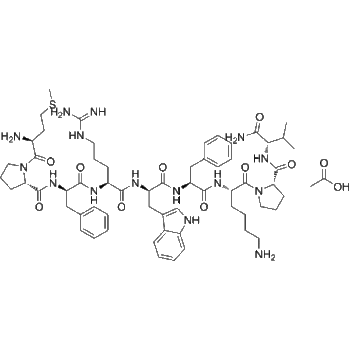
Nonapeptide-1 acetate | CAS 158563-45-2 | Melanin-Inhibiting Peptide for Skin Brightening and Pigmentation Research
Nonapeptide-1 acetate (Melanostatine-5) is a synthetic cosmetic peptide that selectively inhibits α-MSH-induced melanogenesis. It is widely used in research for skin brightening, melanin inhibition, and pigmentation modulation, making it a core molecule in dermatological peptide studies. Original price was: $26.00.$22.00Current price is: $22.00.Hexapeptide-11 | CAS 161258-30-6 | Anti-Aging Peptide for Skin Elasticity and Cellular Renewal
Hexapeptide-11 (CAS 161258-30-6) is a bioactive peptide known for its potent anti-aging and skin-rejuvenating effects. It supports fibroblast vitality, enhances collagen and elastin synthesis, and promotes youthful skin elasticity. Original price was: $3.00.$2.00Current price is: $2.00.L-Glutathione reduced | CAS 70-18-8 | Endogenous Antioxidant for Skin Brightening and Anti-Aging Research
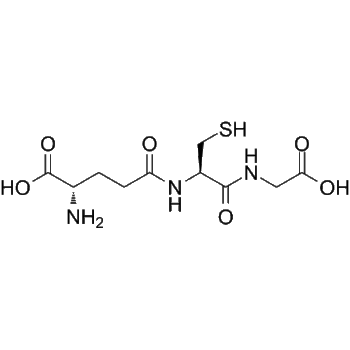
L-Glutathione reduced (GSH; γ-L-Glutamyl-L-cysteinyl-glycine) is a tripeptide antioxidant widely used in cosmetic and dermatological research. It supports skin-brightening, anti-aging, and cellular protection studies through its redox-regulating and detoxifying properties.
Original price was: $32.00.$23.00Current price is: $23.00.Glycyl-L-histidyl-L-lysine | CAS 49557-75-7 | Regenerative Tripeptide Precursor for Skin Repair and Anti-Aging Research
Glycyl-L-histidyl-L-lysine (GHK) is a naturally occurring tripeptide composed of glycine, histidine, and lysine. It plays a pivotal role in skin regeneration, collagen synthesis, and antioxidant protection, making it a cornerstone compound in cosmetic peptide research. Original price was: $28.00.$16.00Current price is: $16.00.
Reviews
There are no reviews yet.